
Collection · Culture
Mexico Culture
This collection spans two product lines carrying eighteen Mexican pattern stories. Four motifs live on a matte, biodegradable wheat-straw shell as a same-colour 3D relief; fourteen more — spanning Día de los Muertos icons, craft traditions, wrestling culture and Mesoamerican mythology — live on a soft-touch, fleece-lined liquid silicone shell as a same-colour laser-engraved, flush-smooth finish. Neither is a print: both hold their pattern as texture, not ink. Built for retailers and gift buyers serving Mexico and the wider Latin American market who want cultural depth across more than one material story.
Material Biodegradable · Laser-Engraved
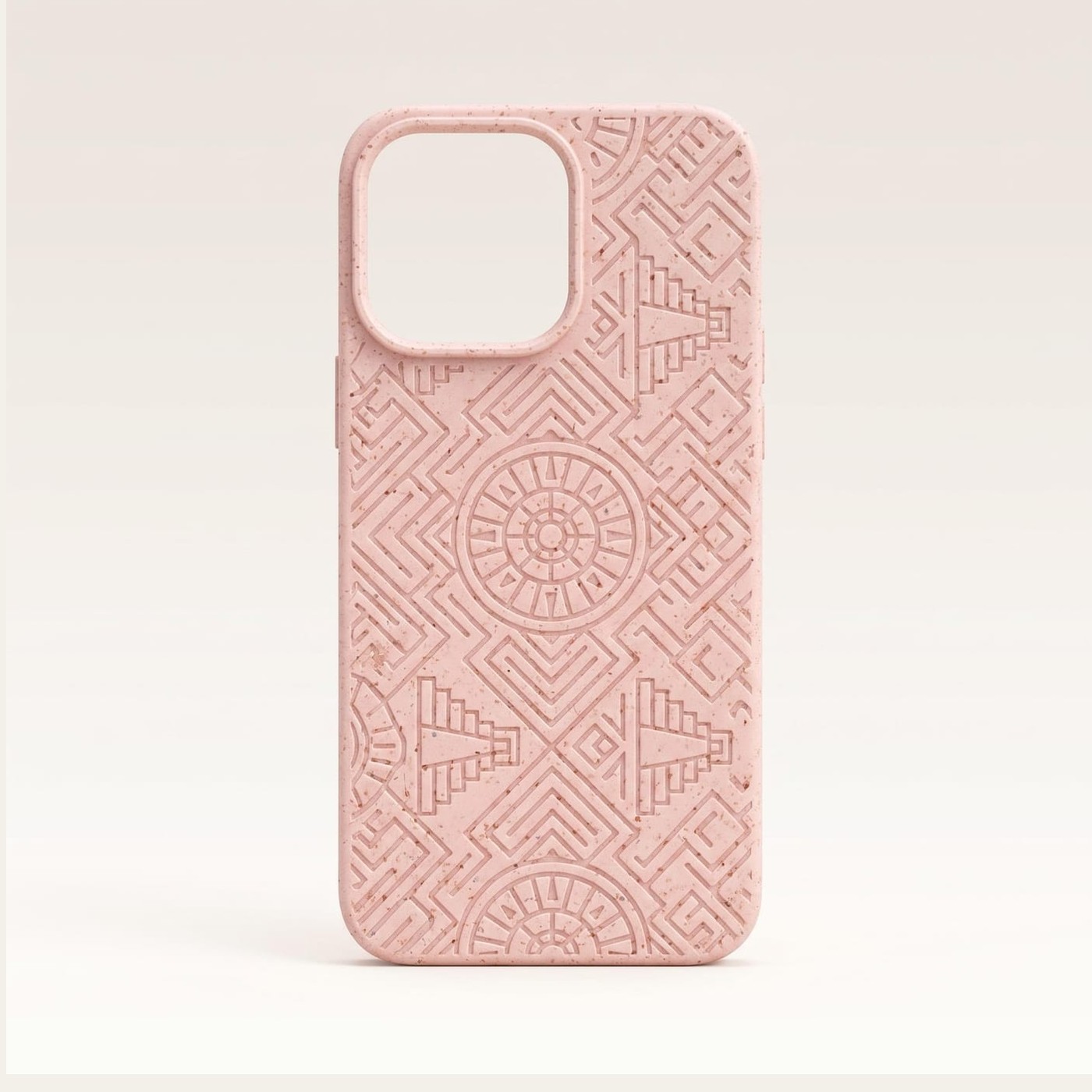
Four building blocks of Aztec and Maya design — the stepped pyramid as a sacred mountain, the sun stone as the turning of time, the stepped-fret spiral as movement, and the diamond lattice as an ordered cosmos. Together: cosmic order and a civilisation that has lasted.
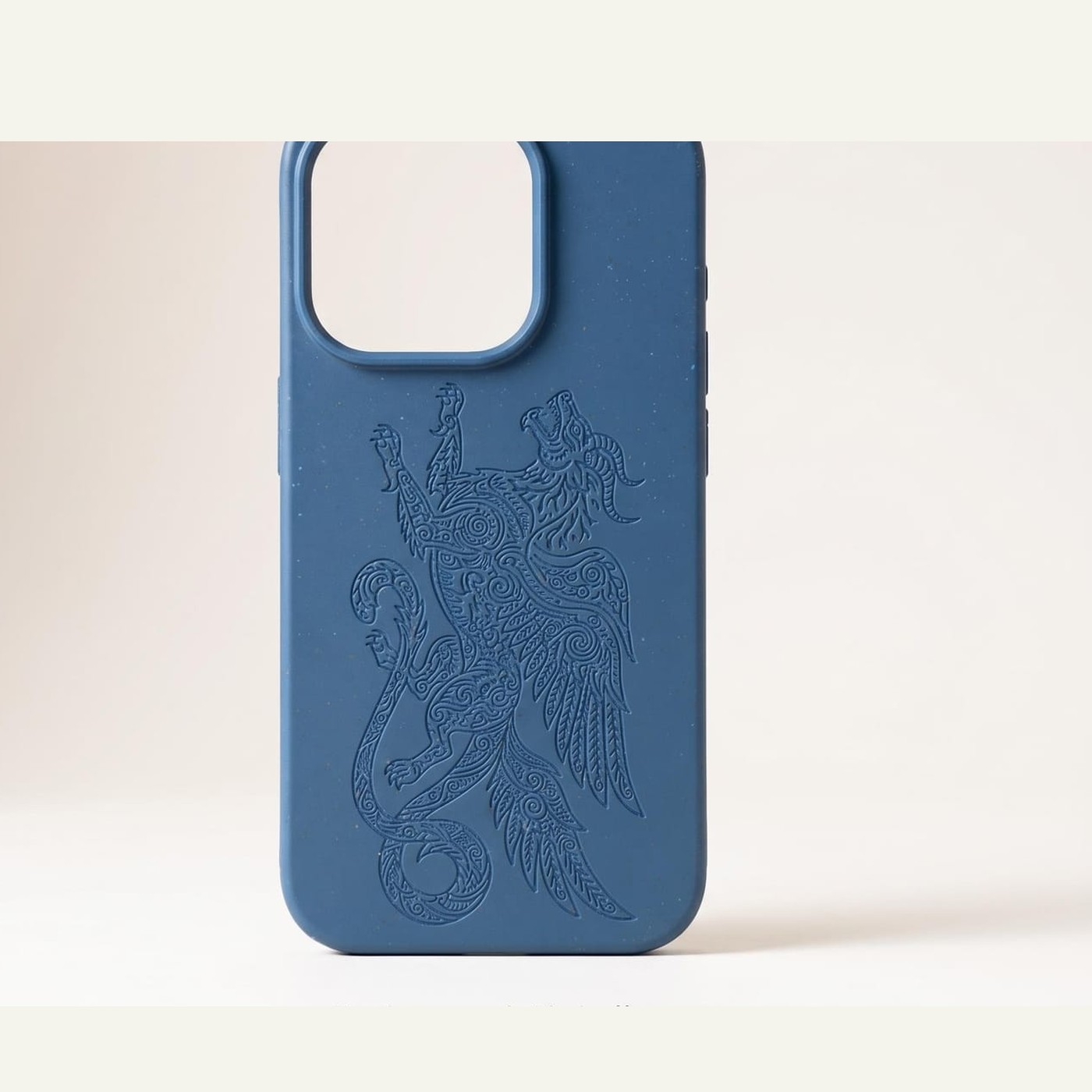
The alebrije is a Mexican folk-art invention: a fantastical creature built from many animals at once — feline body, wings, horns, a serpent tail — covered in dense scrollwork. Born from a craftsman's fever dream in 1930s Mexico City, it's read as a spirit guide between worlds.
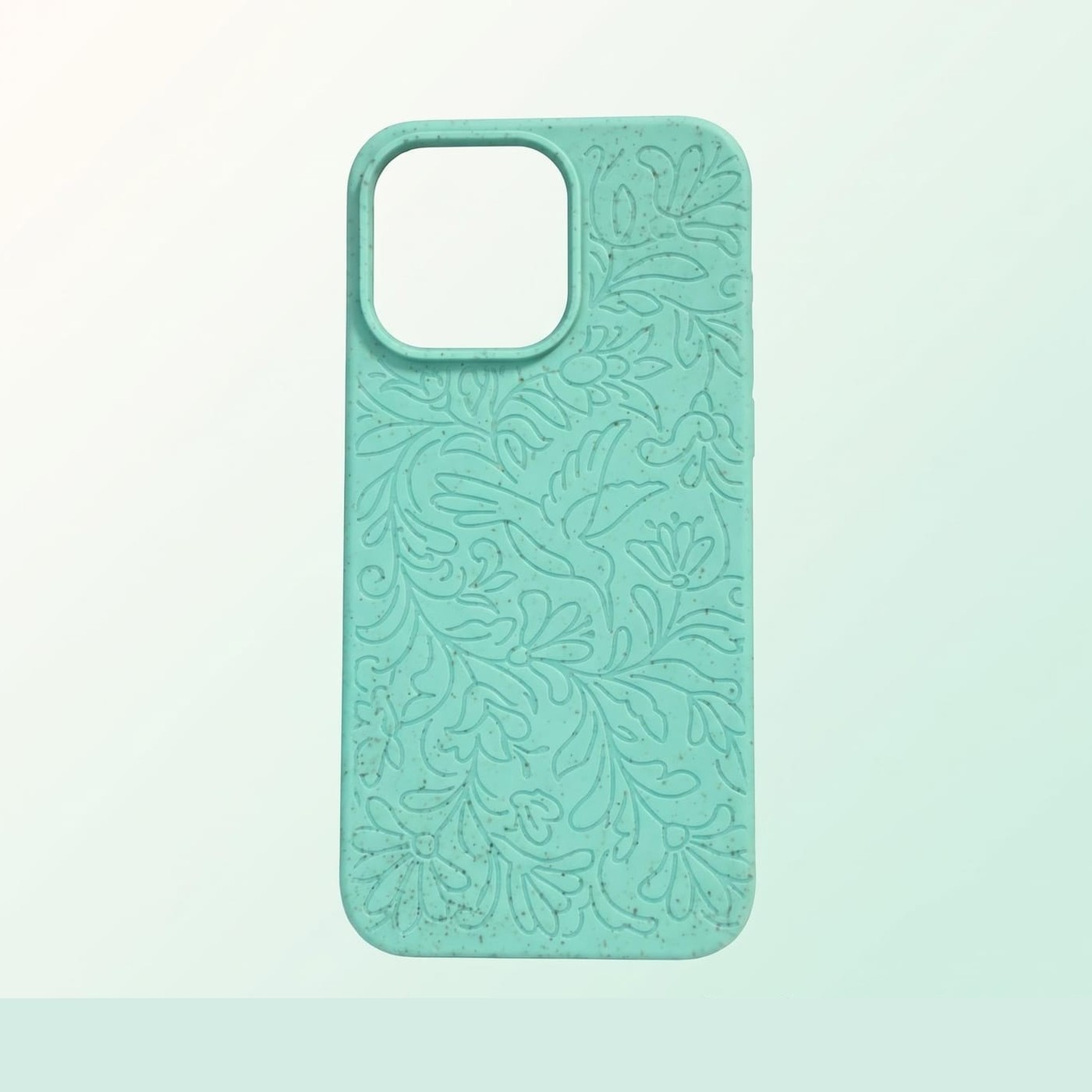
The motif comes from Mexican hand embroidery — Oaxacan scrolling flowers and Otomí Tenango bird work — with a hummingbird in flight at its centre. Flowers stand for abundance and pride; the colibrí, for joy and love; the stitching itself, for patience handed down.
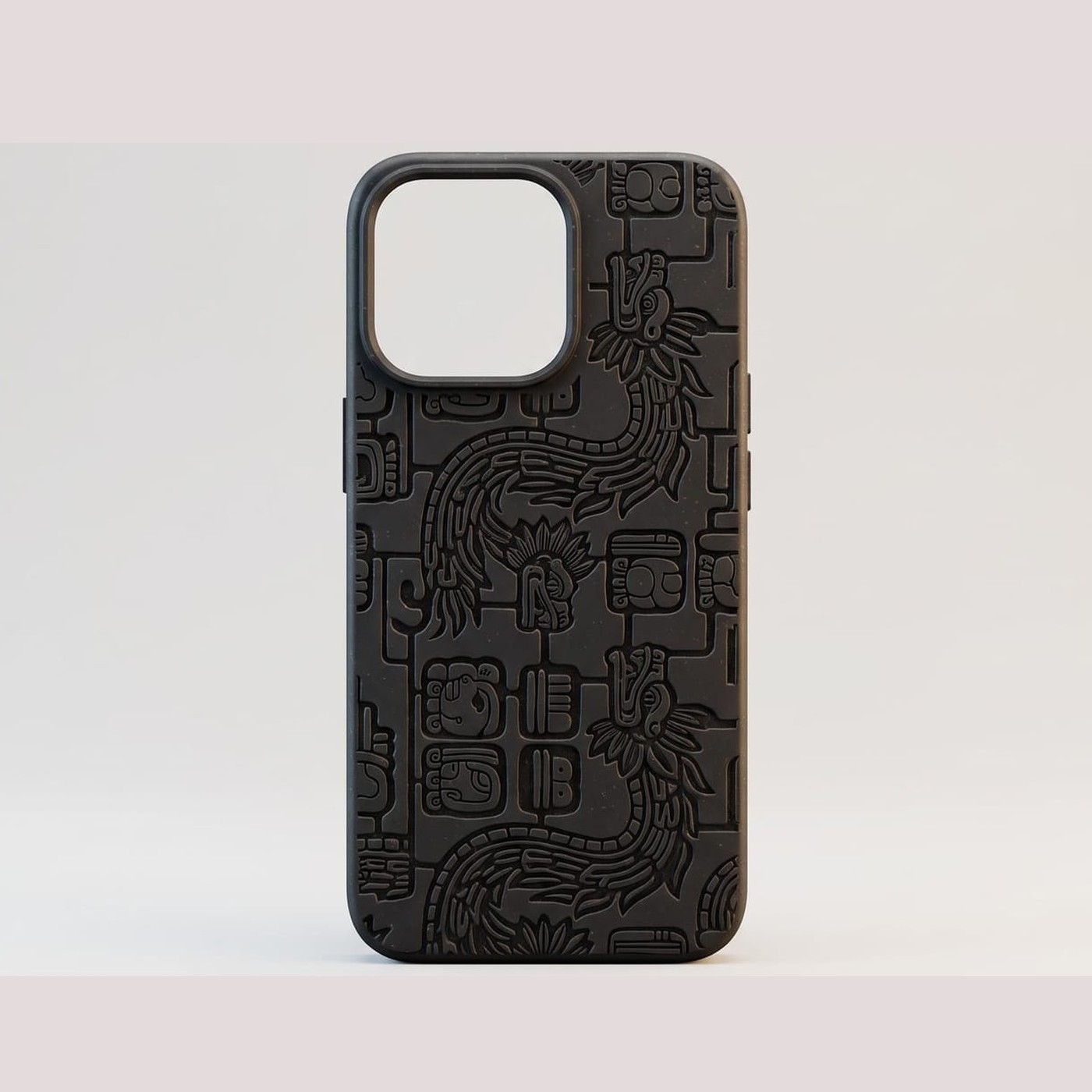
The pattern sets Maya hieroglyph cartouches against Kukulkan, the feathered serpent that descends El Castillo's staircase at the equinox. The glyphs stand for knowledge carved to outlast its makers; the serpent, for renewal and cycles.
Material Liquid Silicone · Laser-Engraved
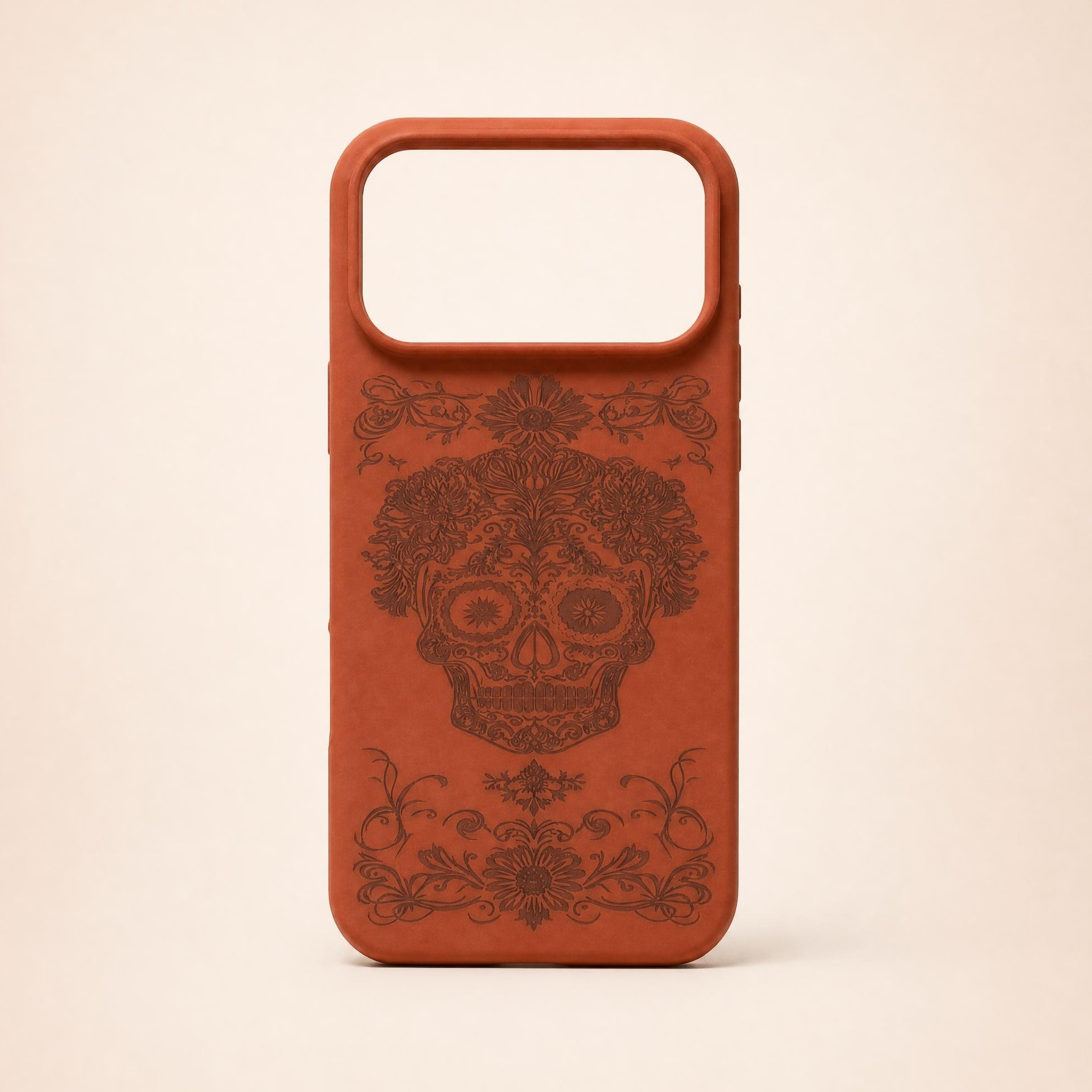
La Catrina's sugar-skull portrait, framed in a marigold crown and lace-like linework — Mexico's best-known Día de los Muertos icon, honouring death with colour and ceremony rather than fear.
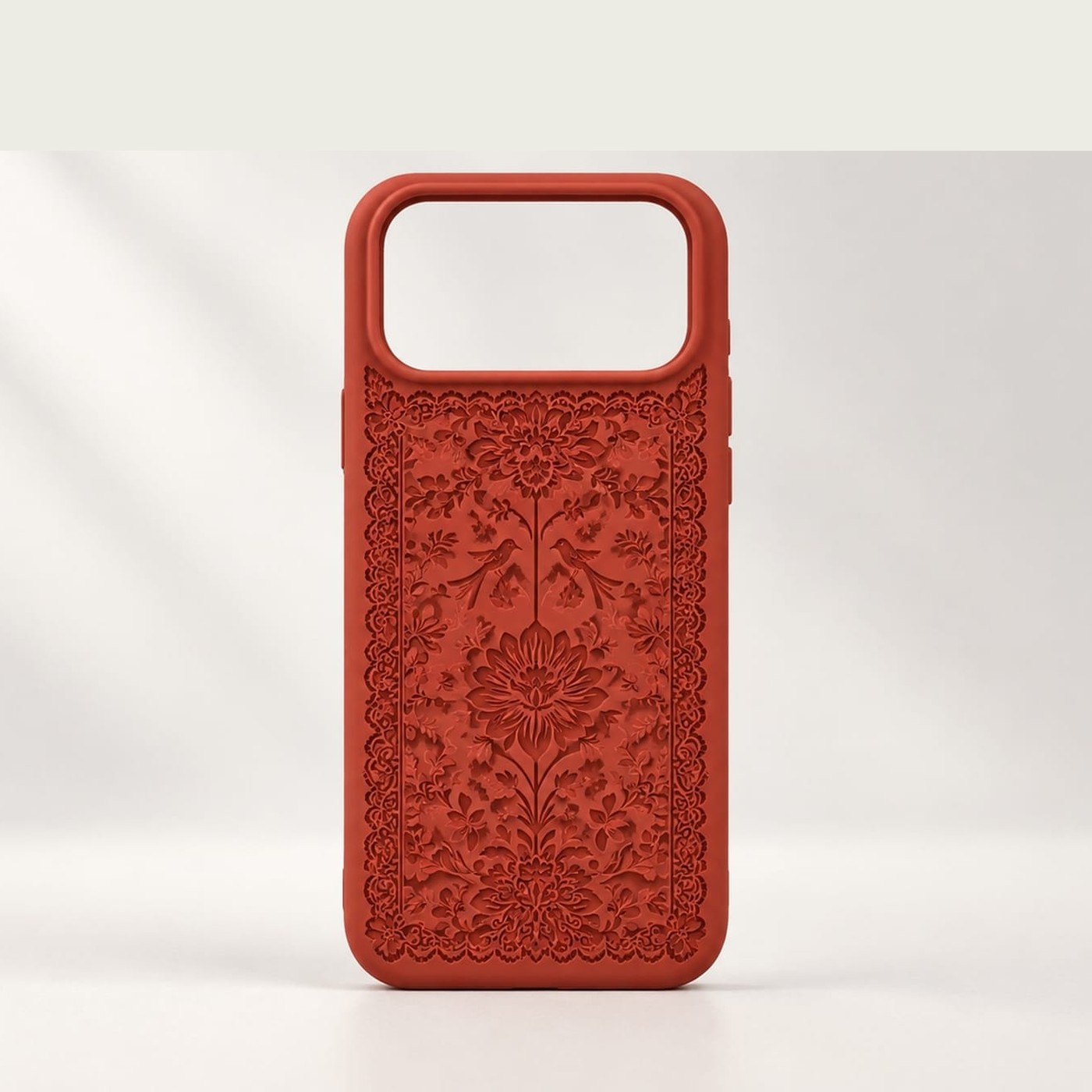
Papel picado's perforated banner motif, echoing Mexico's festival and wedding decorations — a cut-paper craft whose own logic of removing material to reveal a pattern maps naturally onto laser engraving.
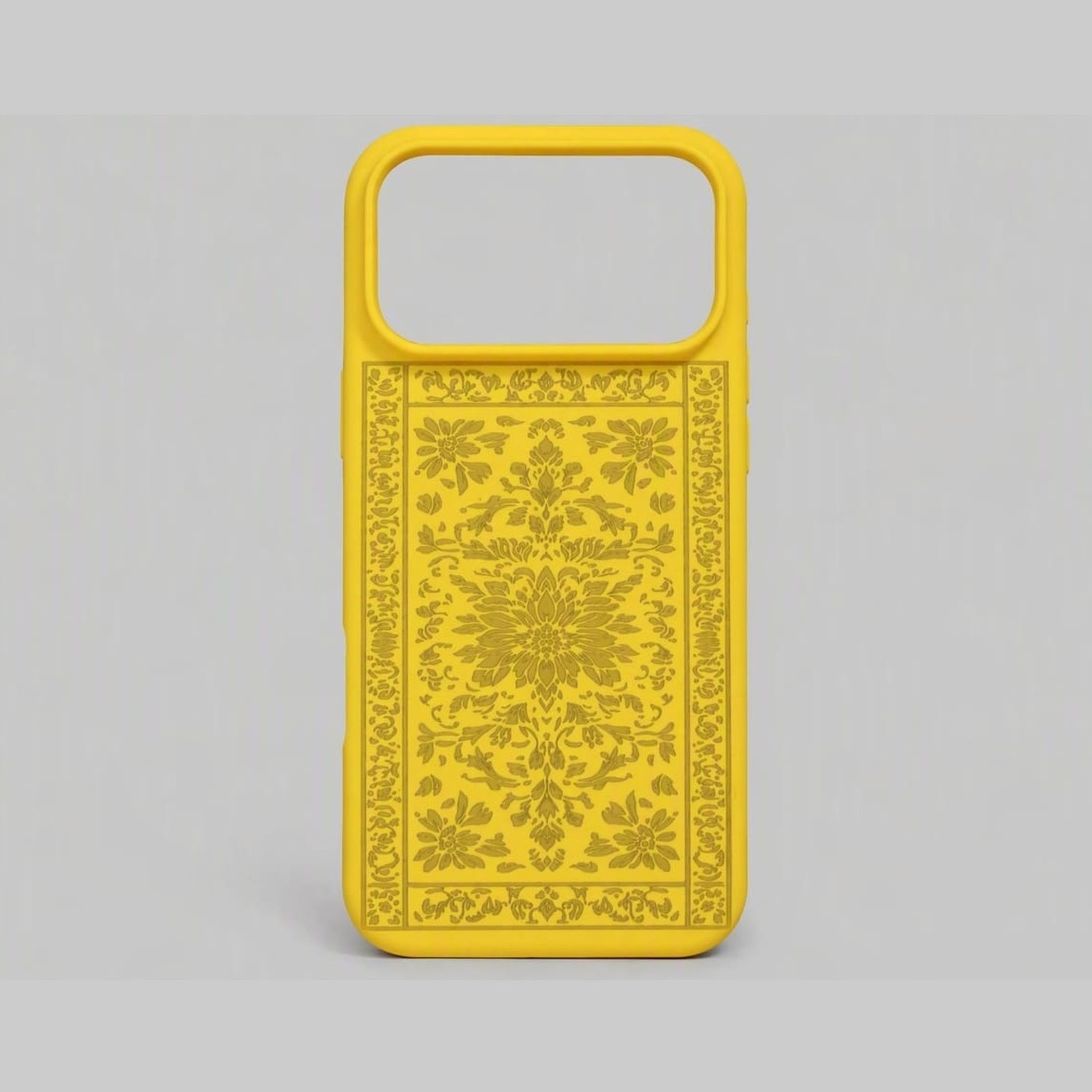
A Talavera-style floral medallion and geometric border, referencing Puebla's UNESCO-listed glazed-ceramic craft — one of the most recognisable handmade-Mexico visual signatures.
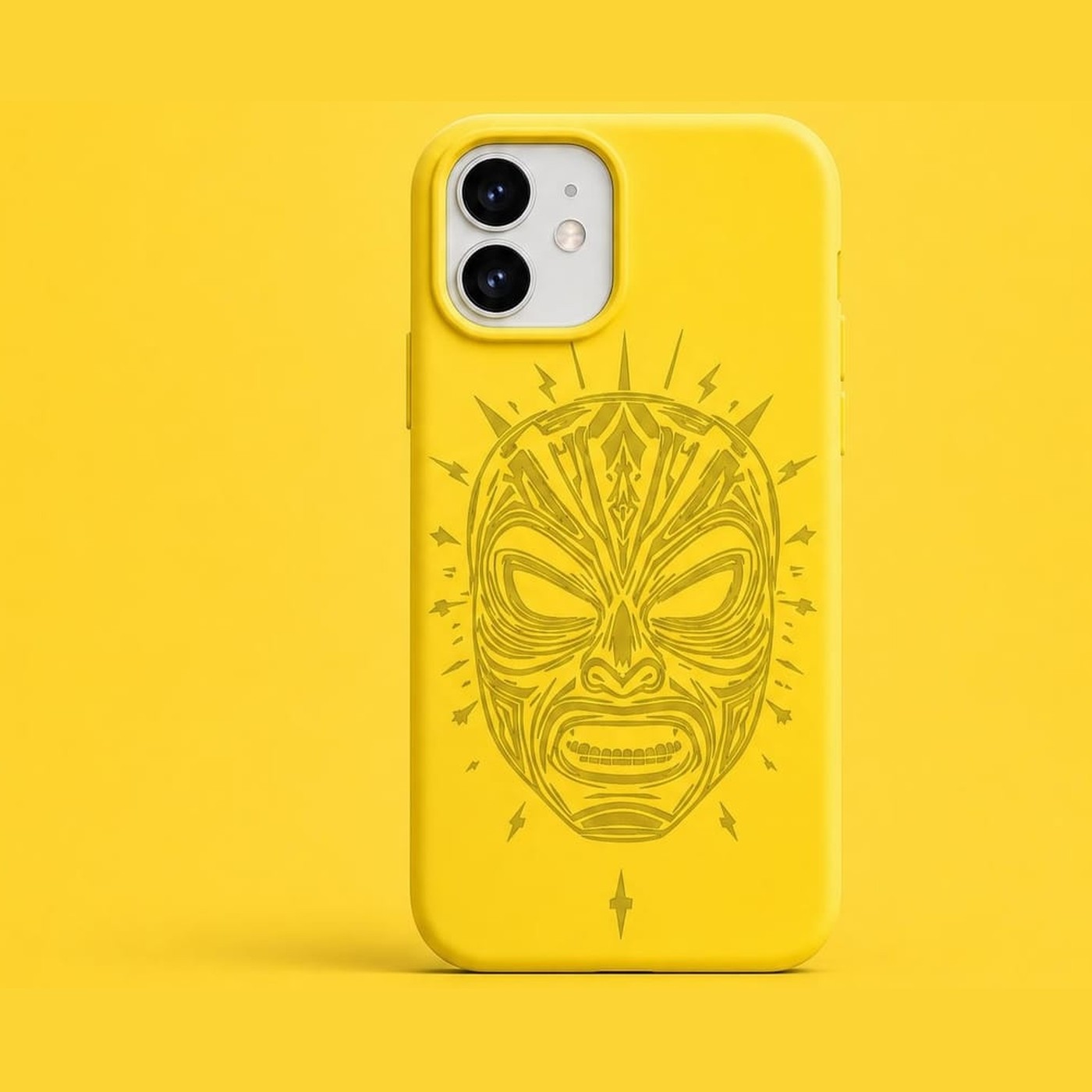
A front-facing lucha libre mask design — the identity a Mexican wrestler builds a career around — rendered as bold engraved linework for a younger, street-culture audience.
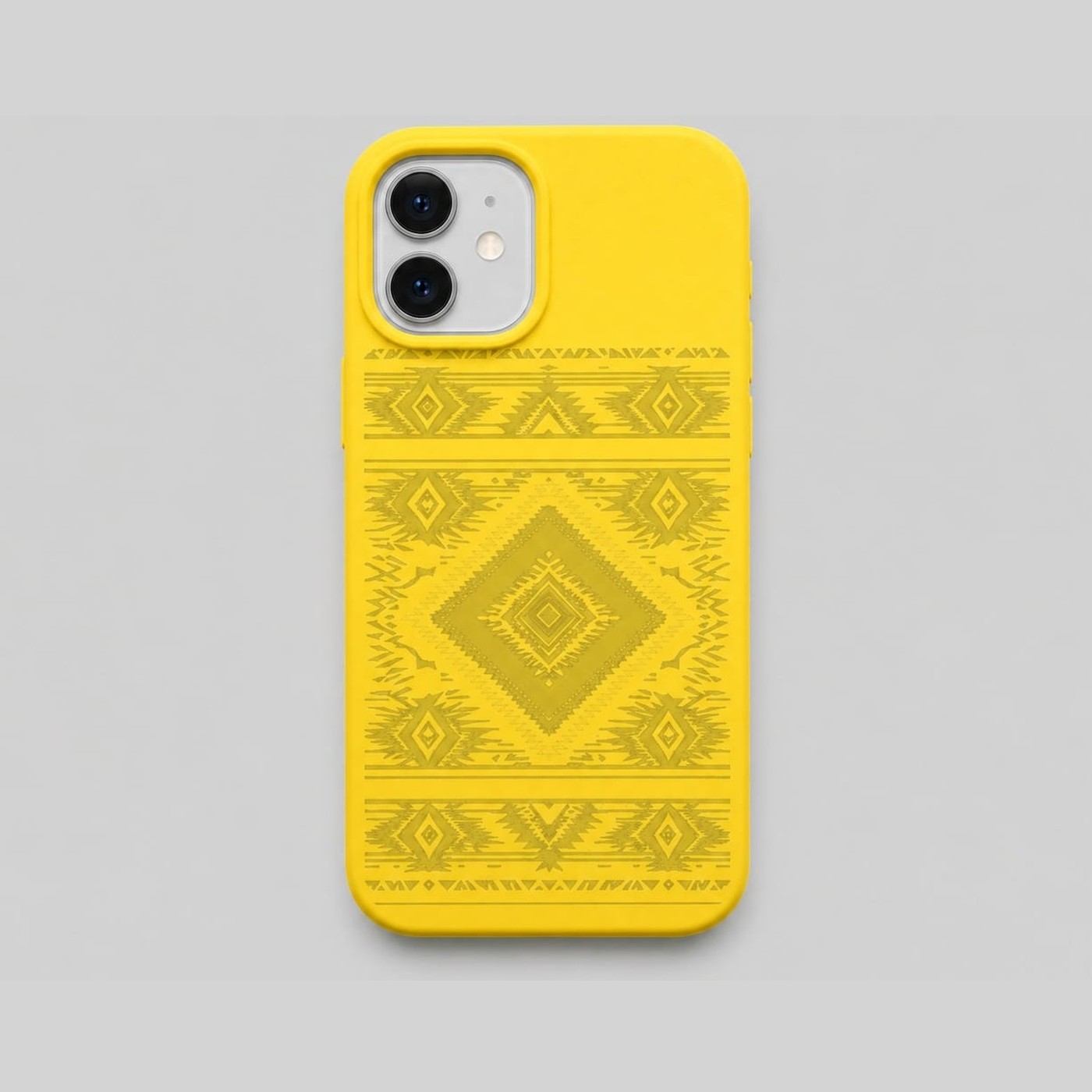
A Saltillo sarape blanket's central diamond medallion and zigzag stripe bands, translated from a woven textile into pure engraved linework.
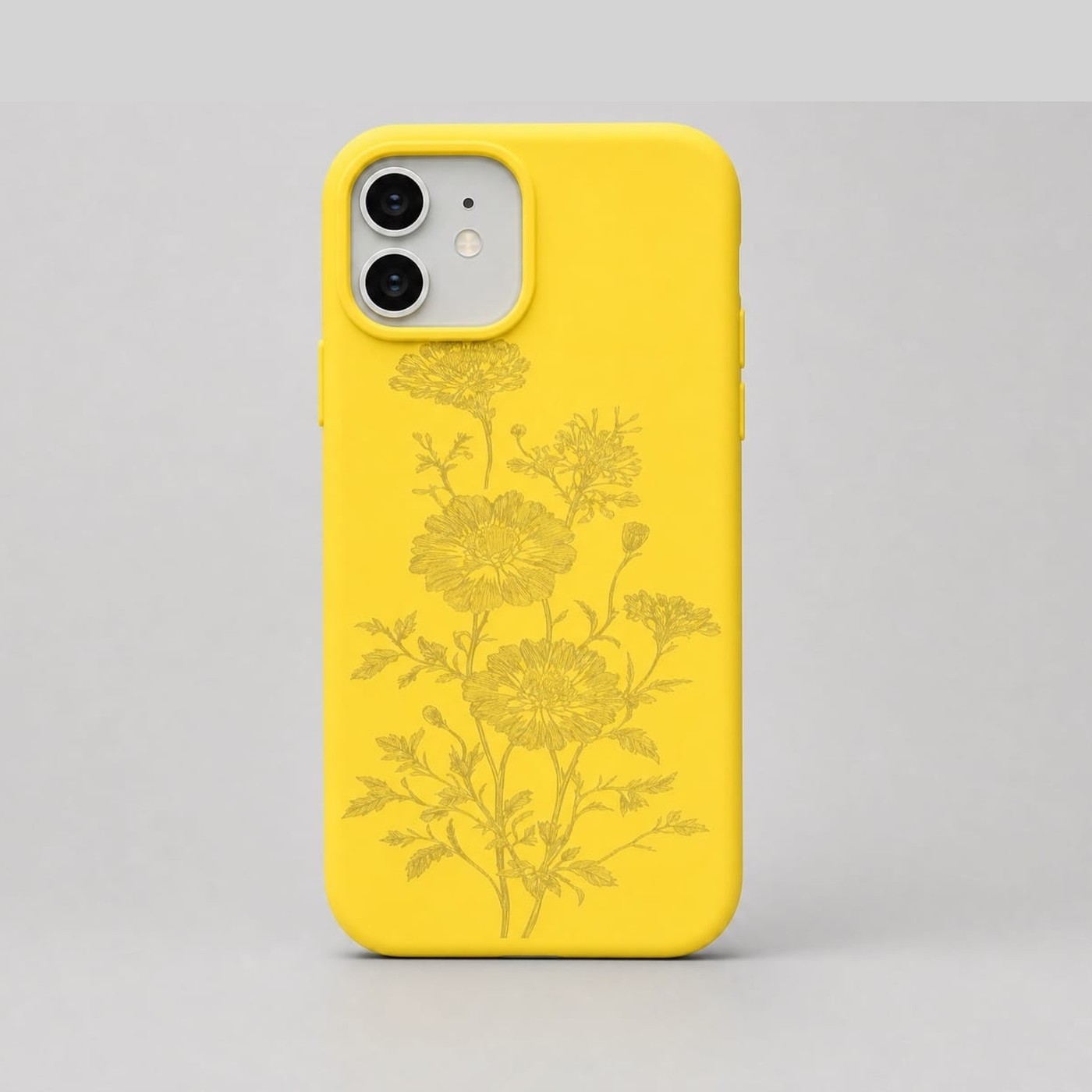
Cempasúchil, the marigold that guides spirits home during Día de los Muertos — rendered as layered petal linework, a specific and story-carrying alternative to a generic floral print.
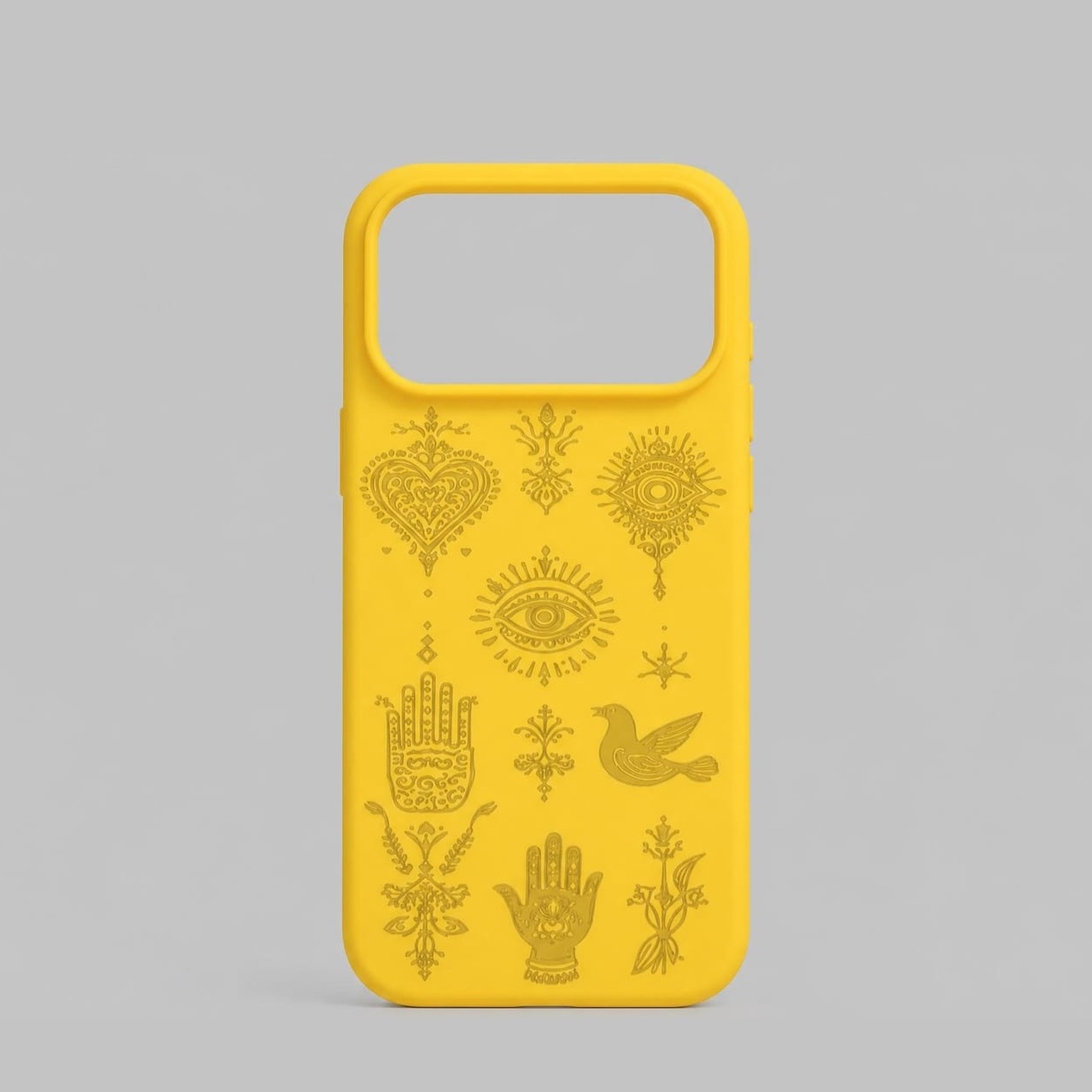
Milagros — the small votive charms Mexican Catholics leave at church altars for protection and blessing — arranged as an engraved pattern that carries an emotional charge beyond decoration.
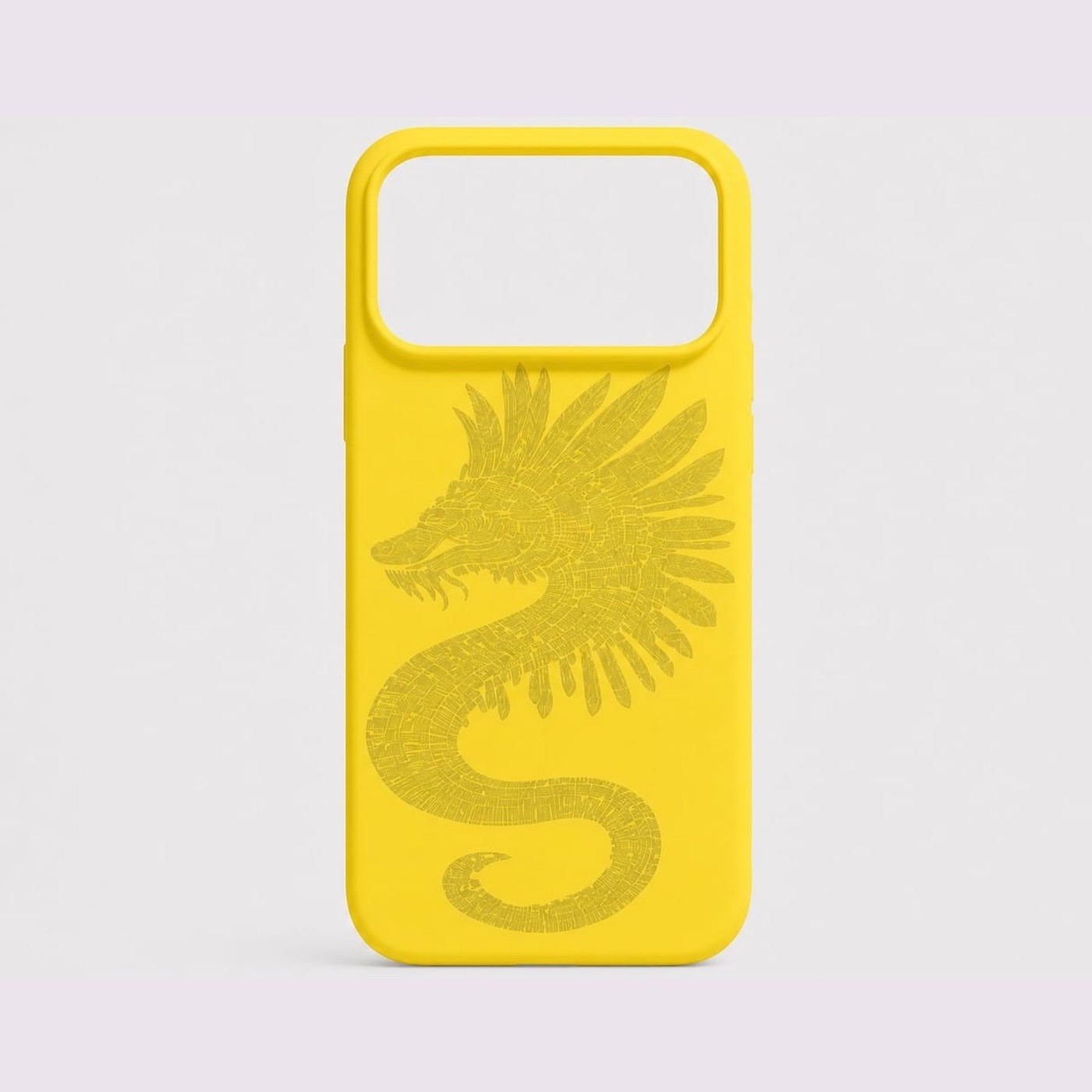
Quetzalcóatl, the feathered serpent worshipped across Mesoamerican civilisations as a god of wisdom, wind and life — a specific mythological figure rather than a generic geometric pattern.
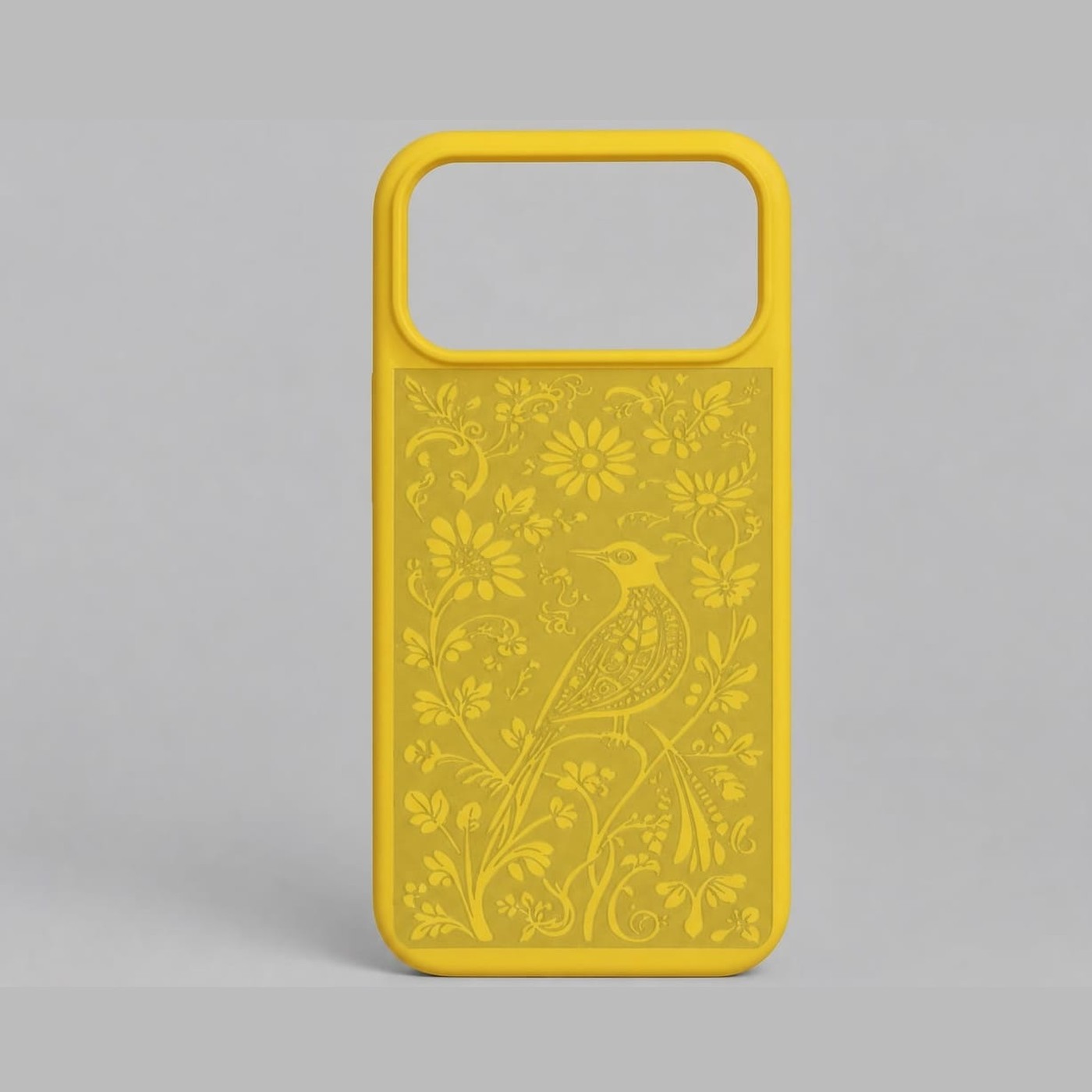
Barro negro, Oaxaca's hand-carved black-clay pottery craft — a rustic bird-and-vine motif that gives the Mexico collection a second, more handmade texture alongside the refined Talavera tile design.
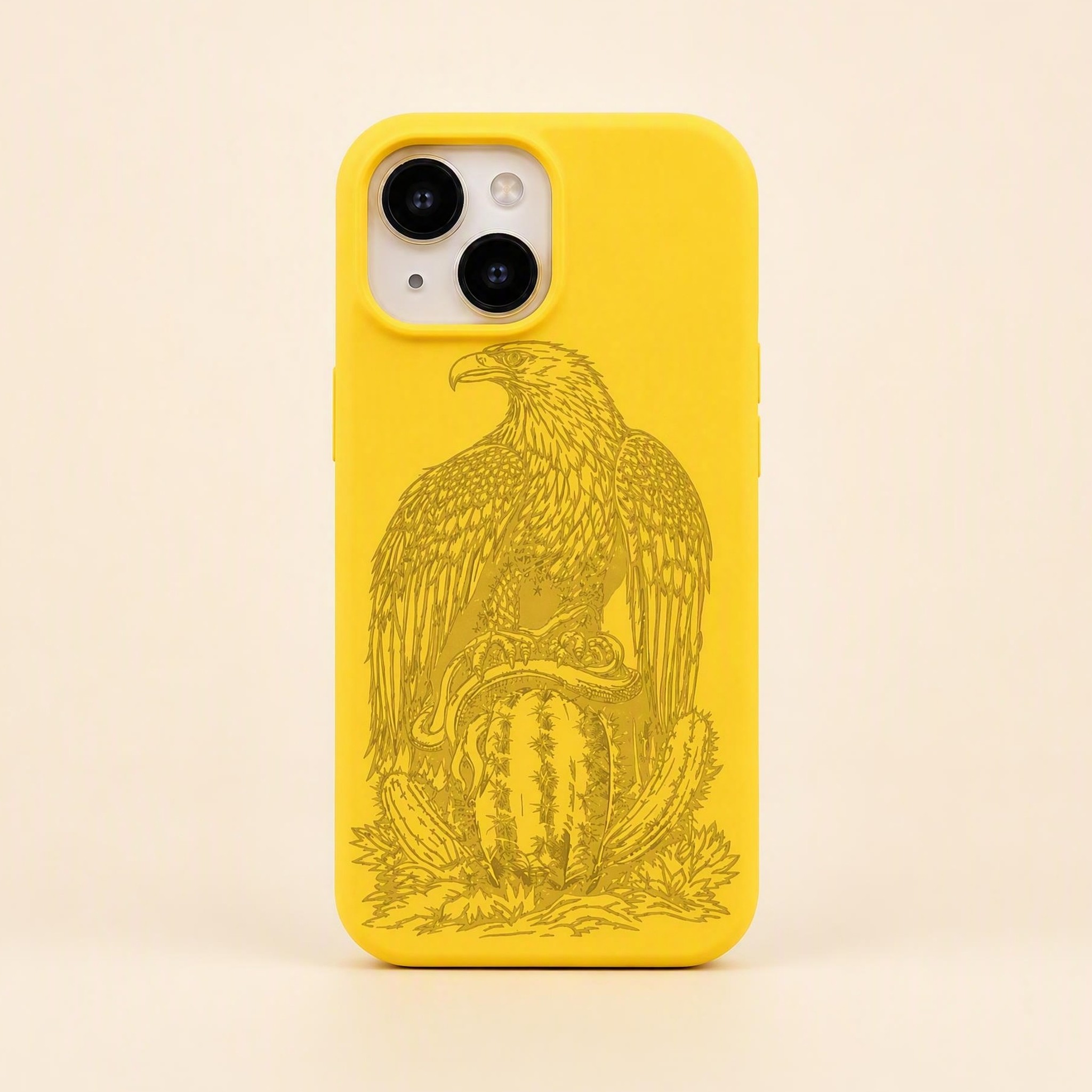
The eagle perched on a nopal cactus, serpent in its beak — the founding legend at the centre of Mexico's flag, and the most direct, least-explaining-required Mexican symbol there is.
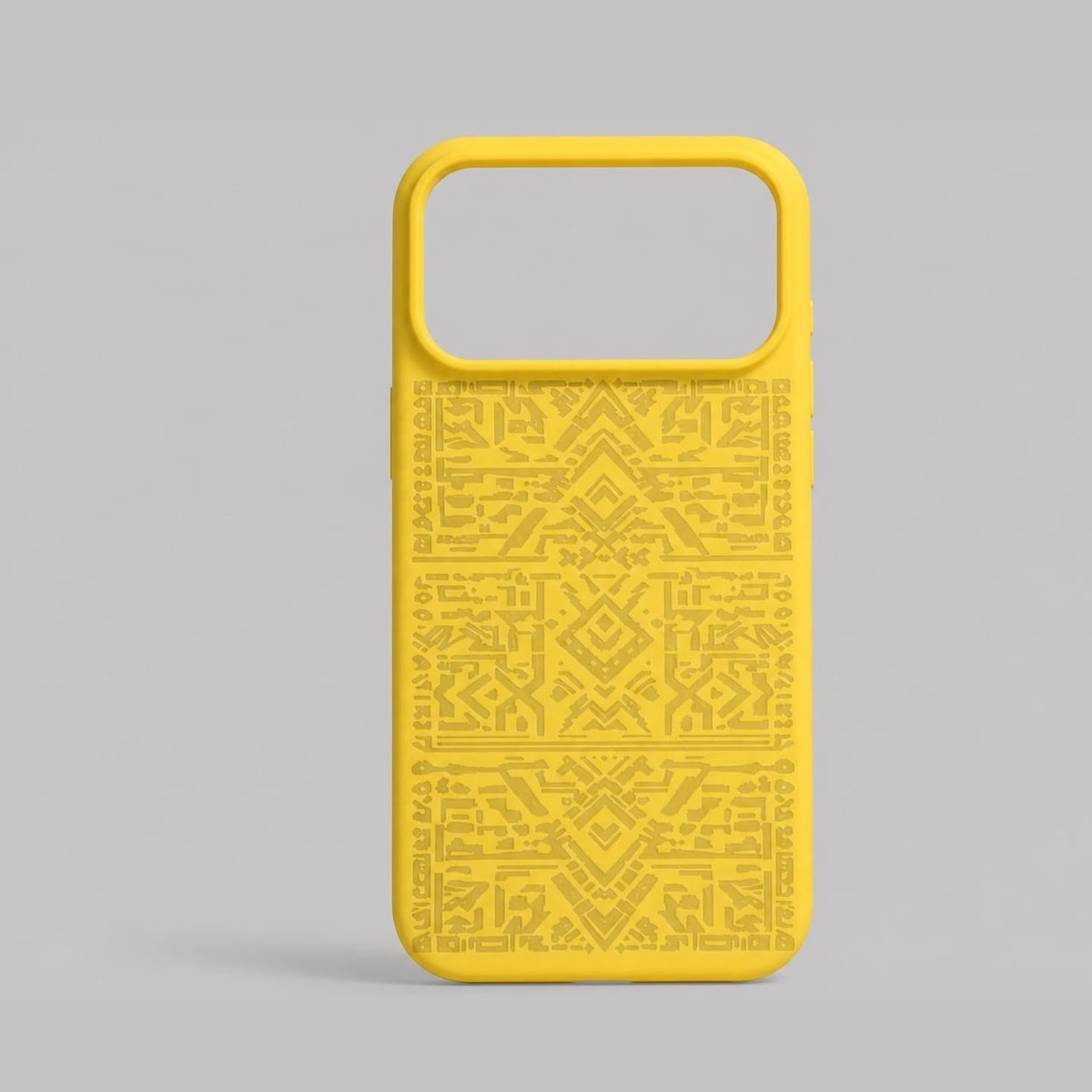
Aztec stepped-fret and diamond geometry, drawn from stone carving and textile borders — the same motif as the collection's original wheat-straw design, rebuilt in liquid silicone.
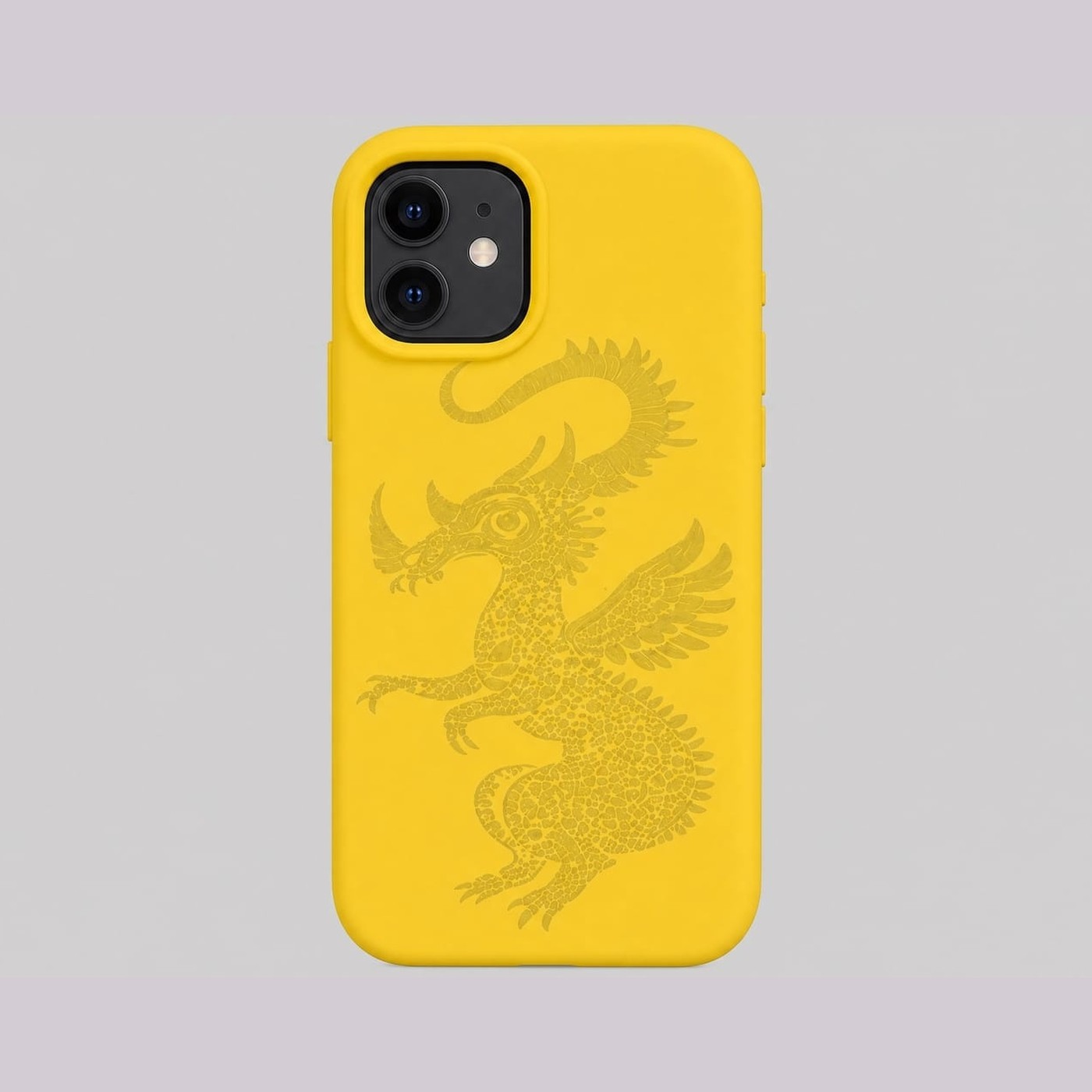
Alebrijes — Oaxaca's hand-carved fantastical spirit creatures, born from artist Pedro Linares's fever dream in the 1930s — rebuilt from the collection's wheat-straw original in liquid silicone.
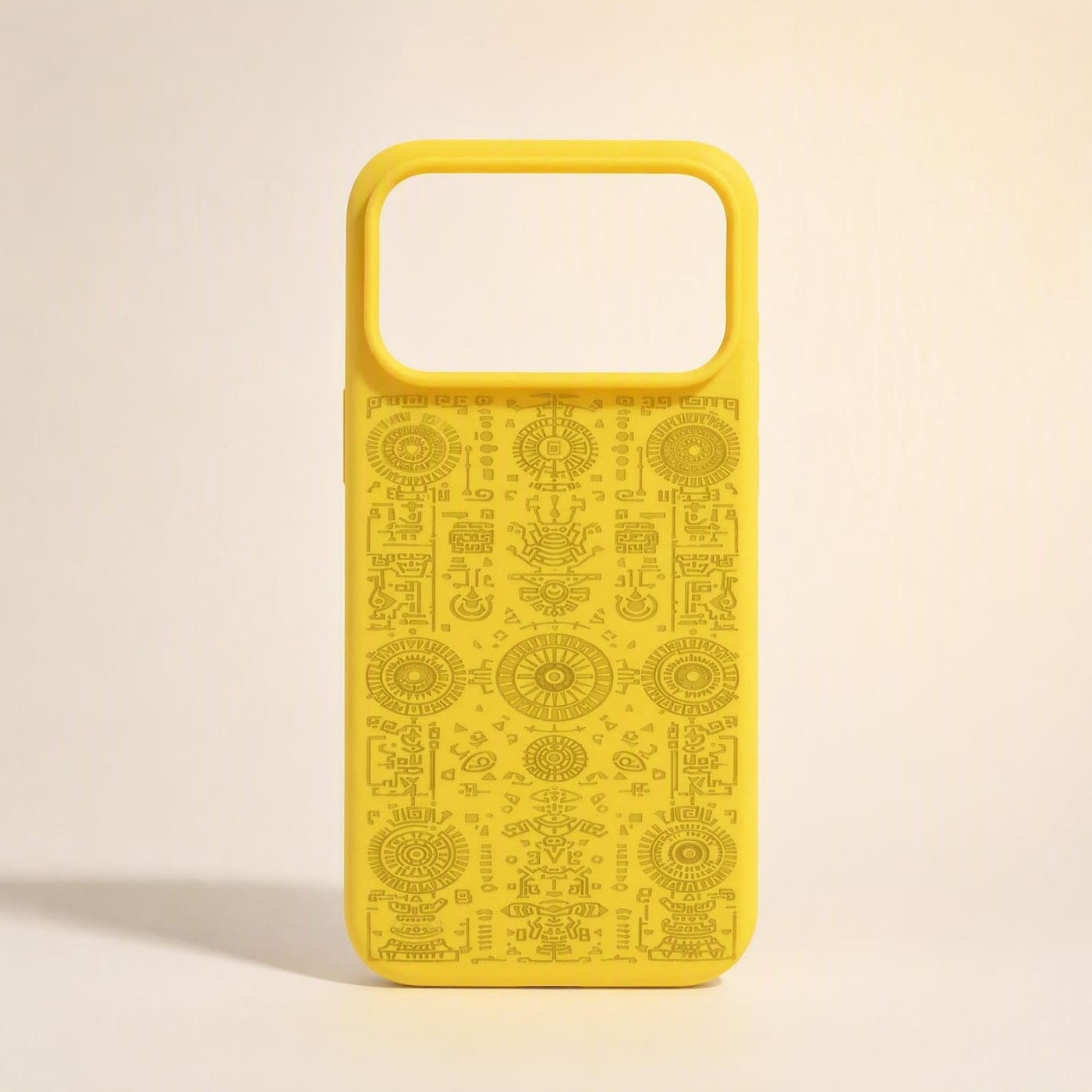
Mayan hieroglyphic and calendar symbols, carrying the weight of an ancient writing and timekeeping system — the collection's original wheat-straw Mayan Glyphs design, rebuilt in liquid silicone.
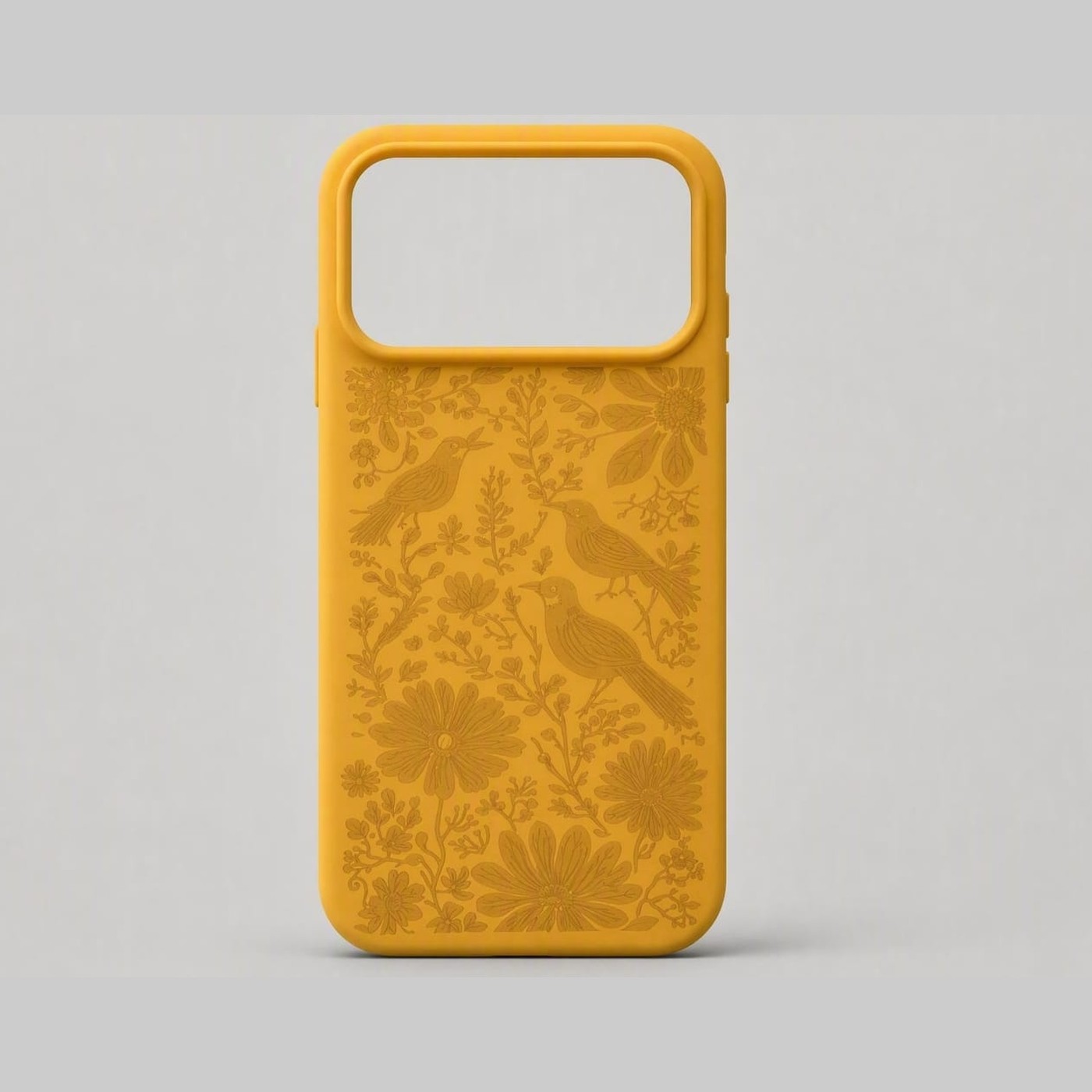
Otomi embroidery's flowing floral and bird linework, one of Mexico's best-loved textile looks abroad — the collection's original wheat-straw Floral Embroidery design, rebuilt in liquid silicone.
Building for the Mexico market?
Tell us your target models, quantities and timeline — we'll confirm pricing and get a sample moving.