
Products
All Products
Every DUYIO design in one place. Filter by product type, by the country whose culture inspired it, or by occasion — then open any product for specs, MOQ and FOB price.
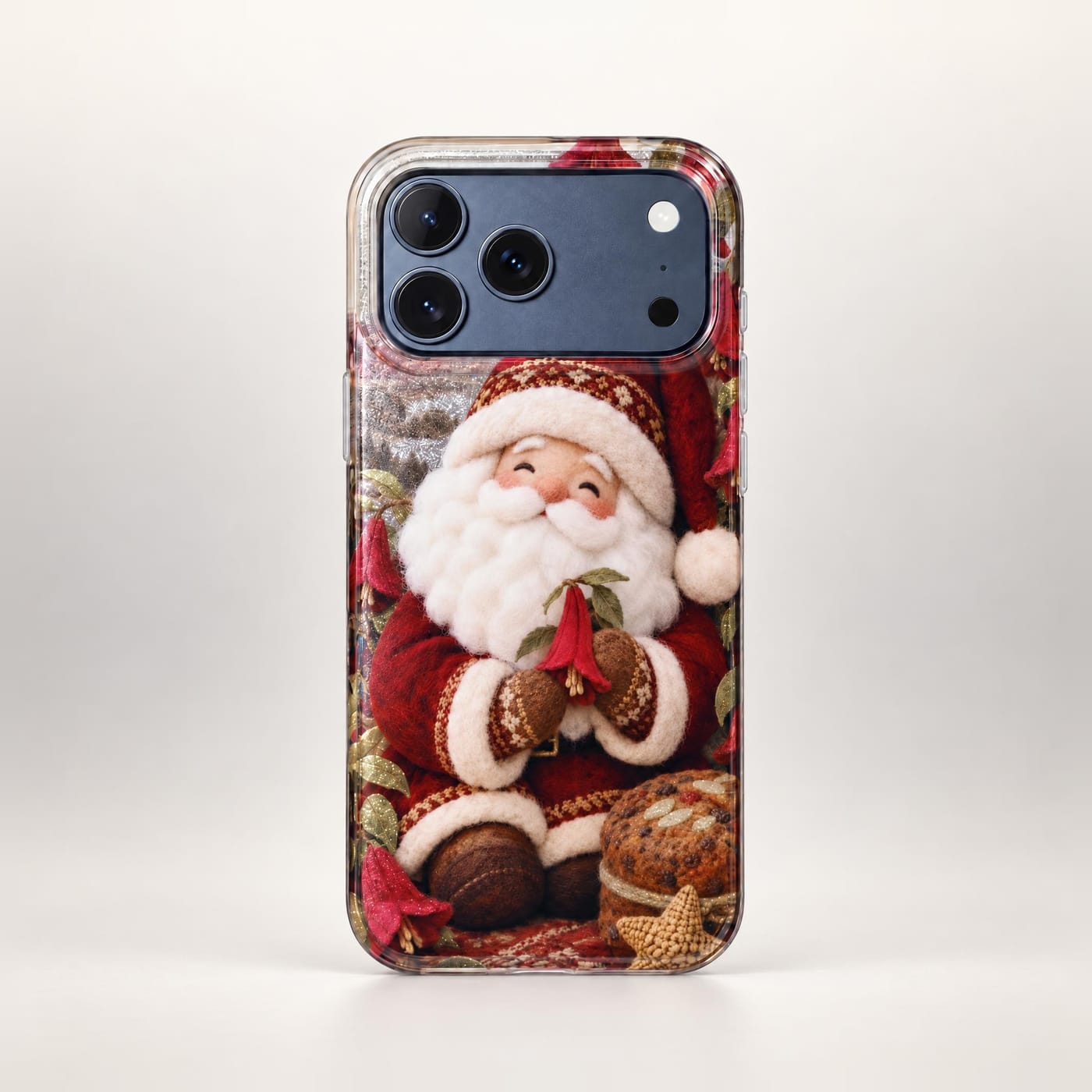
Chile's Viejito Pascuero with the national copihue flower and the Andes behind him — a Chilean summer Christmas, not a generic North Pole.
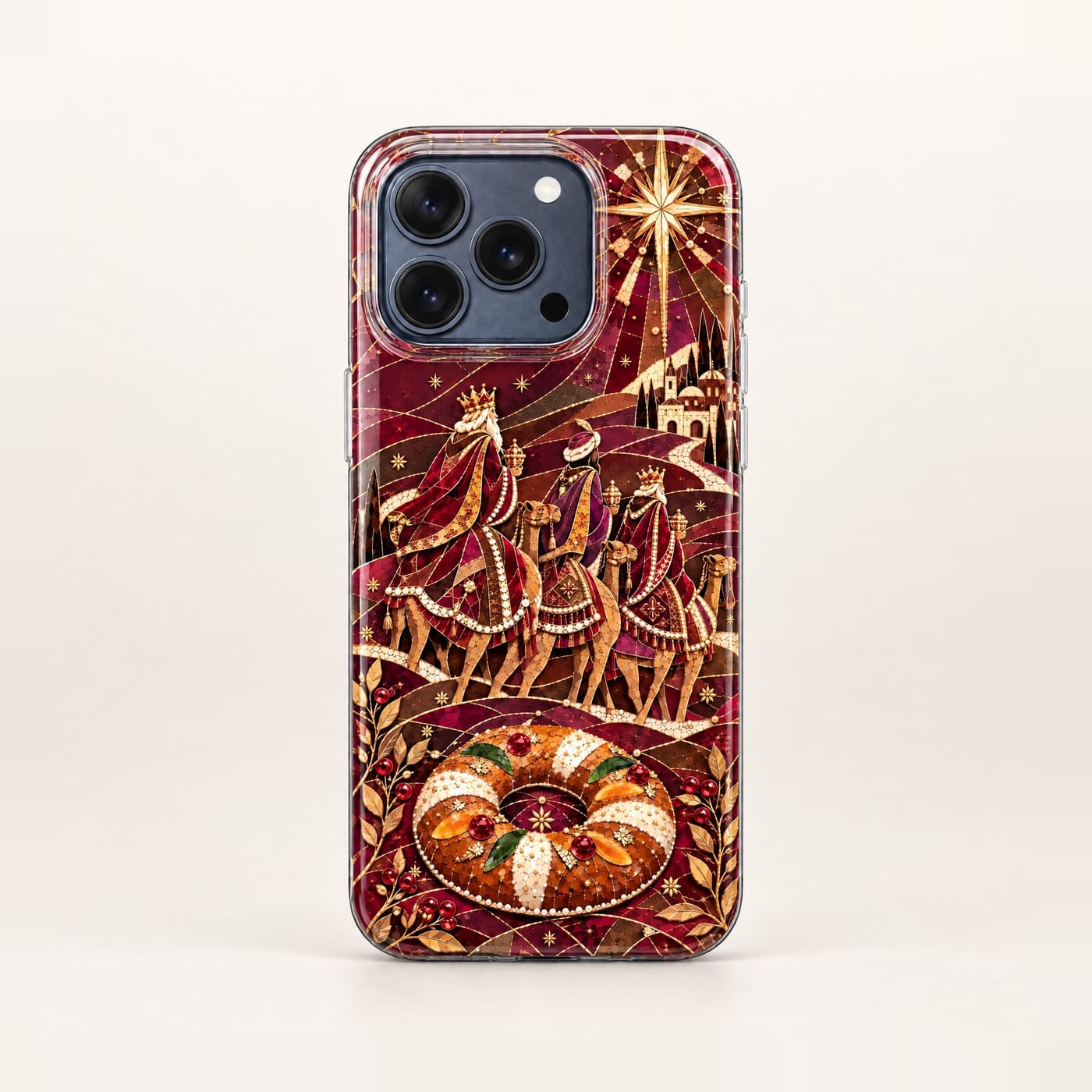
Spain's Christmas peaks on 6 January, when the Three Kings bring the gifts — told here in gold trencadís mosaic.
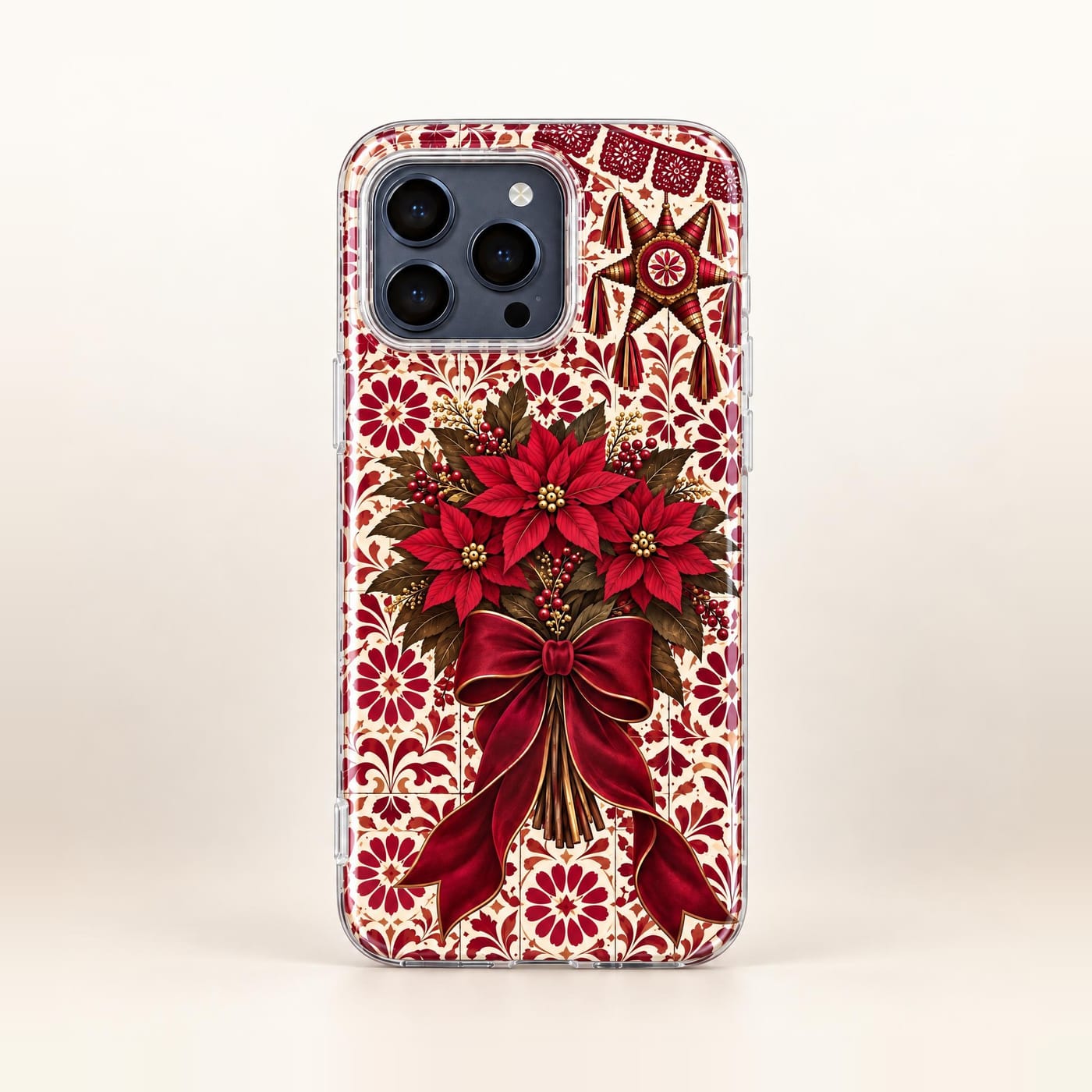
Mexico's Christmas flower, the Nochebuena, with a seven-point Posadas piñata and papel picado — not a generic poinsettia print.
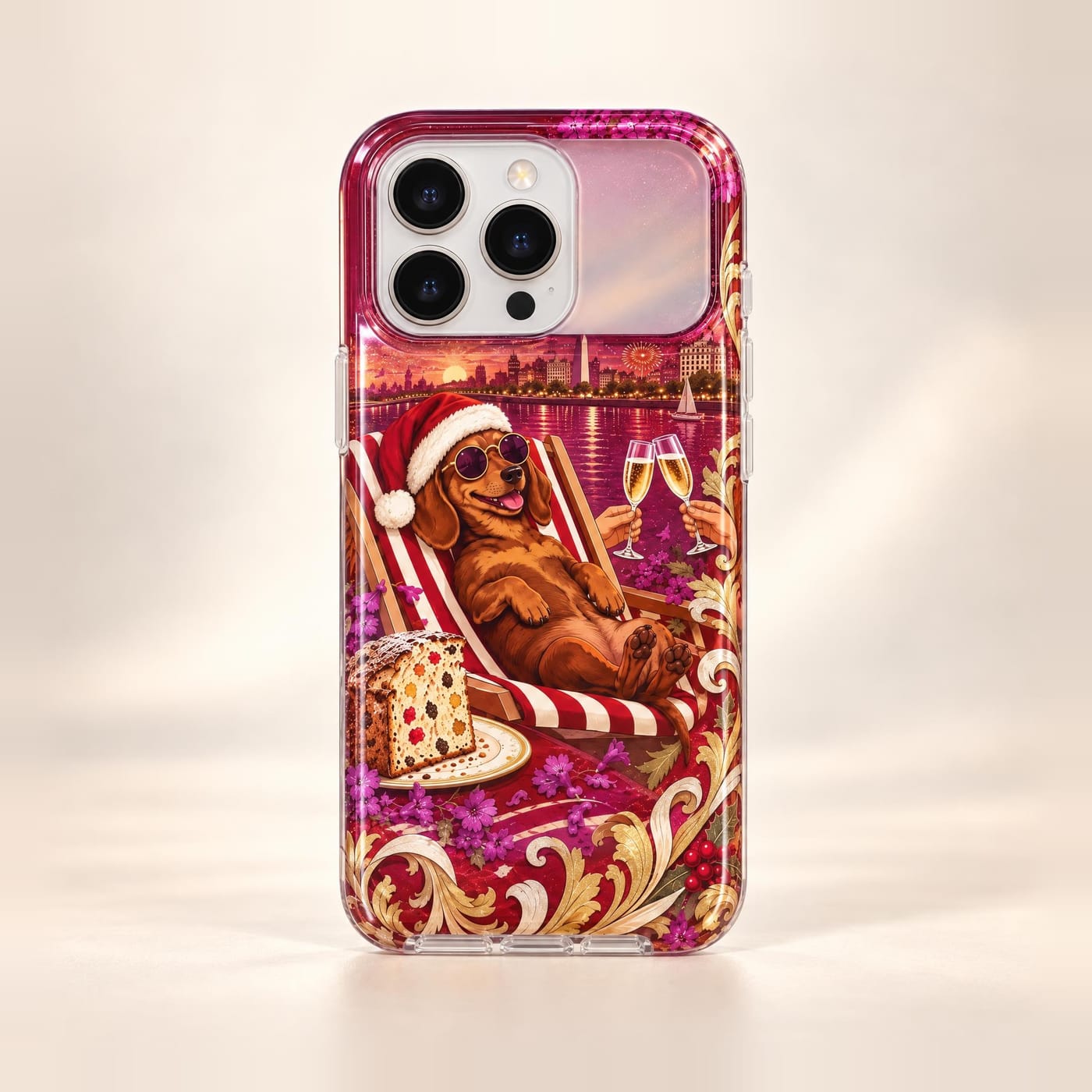
Argentina's Christmas is a midsummer night: a dachshund on a deck chair, a midnight toast and pan dulce, framed in filete porteño.
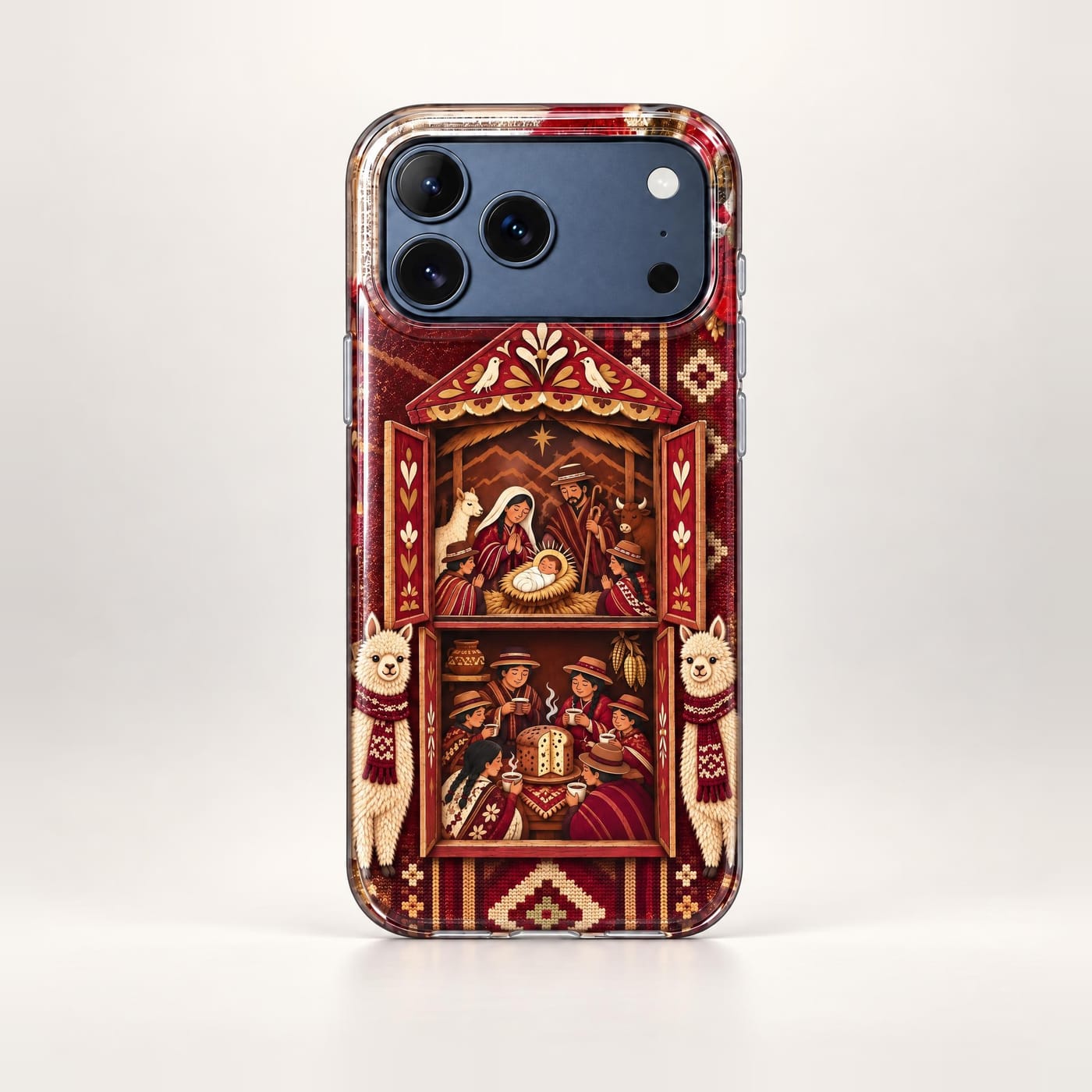
Peru's retablo ayacuchano folk art, telling Christmas in two tiers: an Andean nativity and a hot-chocolate chocolatada.
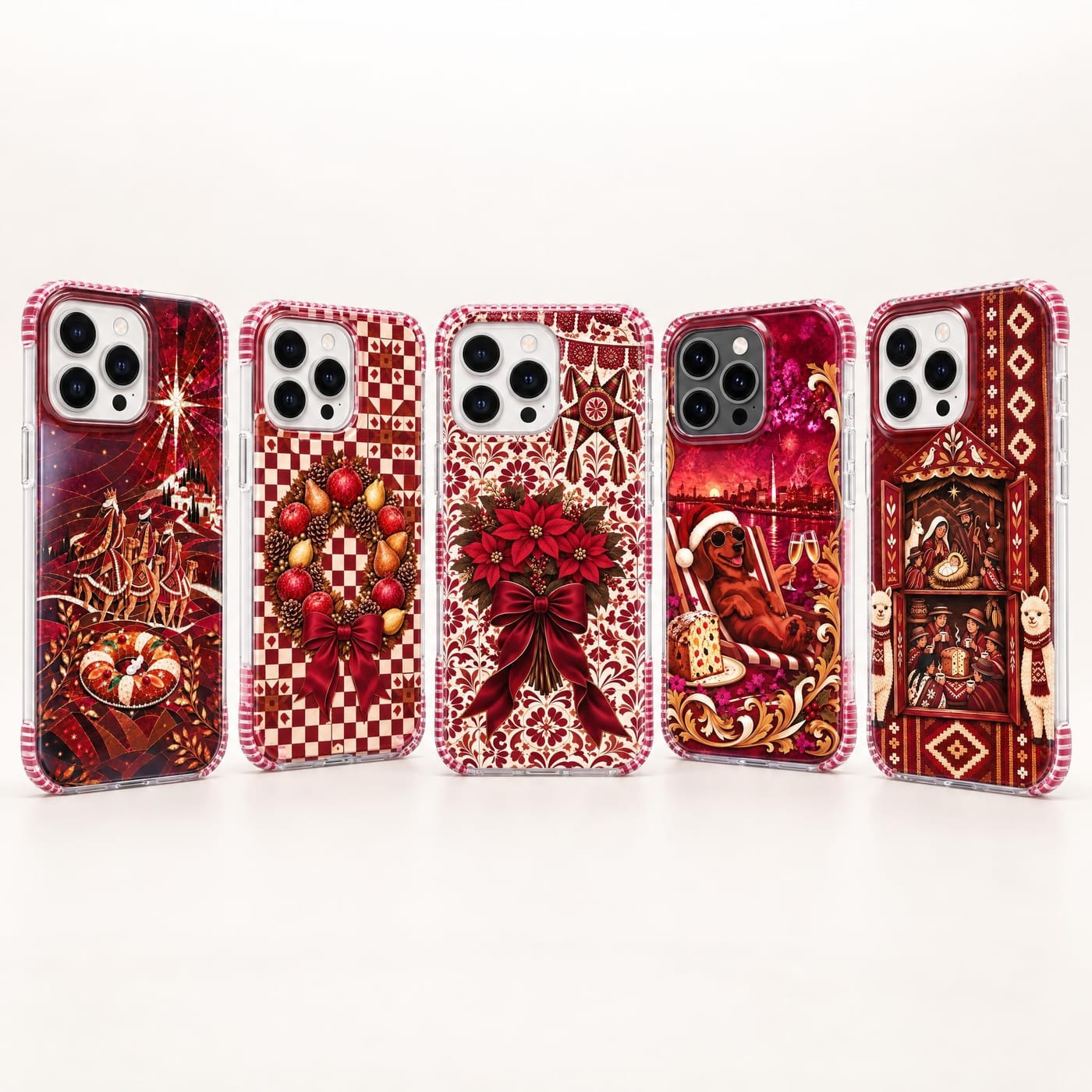
Five country Christmas designs on one shockproof IMD case — Spain, USA, Mexico, Argentina and Peru, mixable in one order.
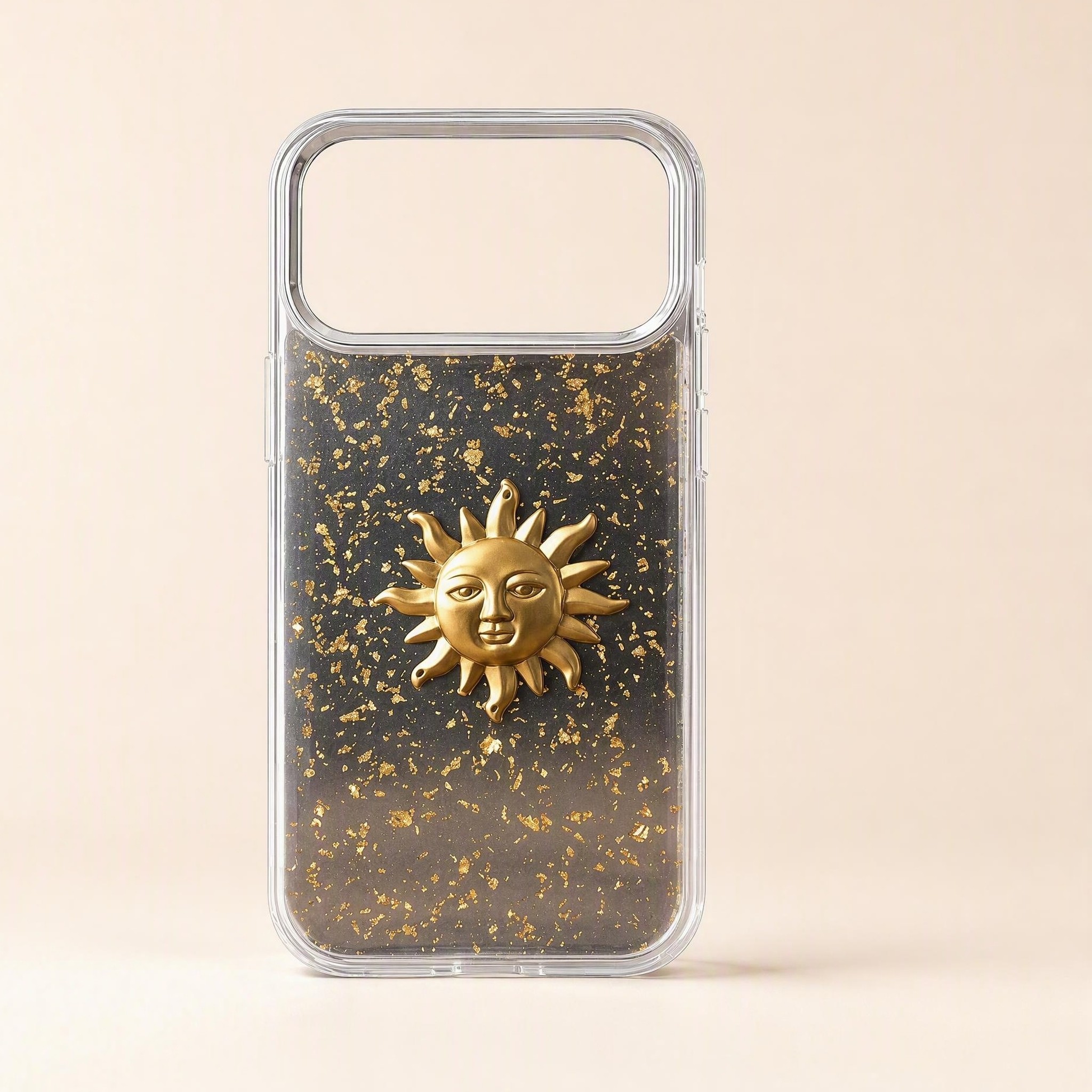
At the center of this case sits the Sol de Mayo — the sun with a human face that sits between Argentina's two pale-blue flag bands. Molded in raised gold relief over a gold-flecked clear resin back, it traces to the 1810 May Revolution, read ever since as freedom, dawn and new beginnings.
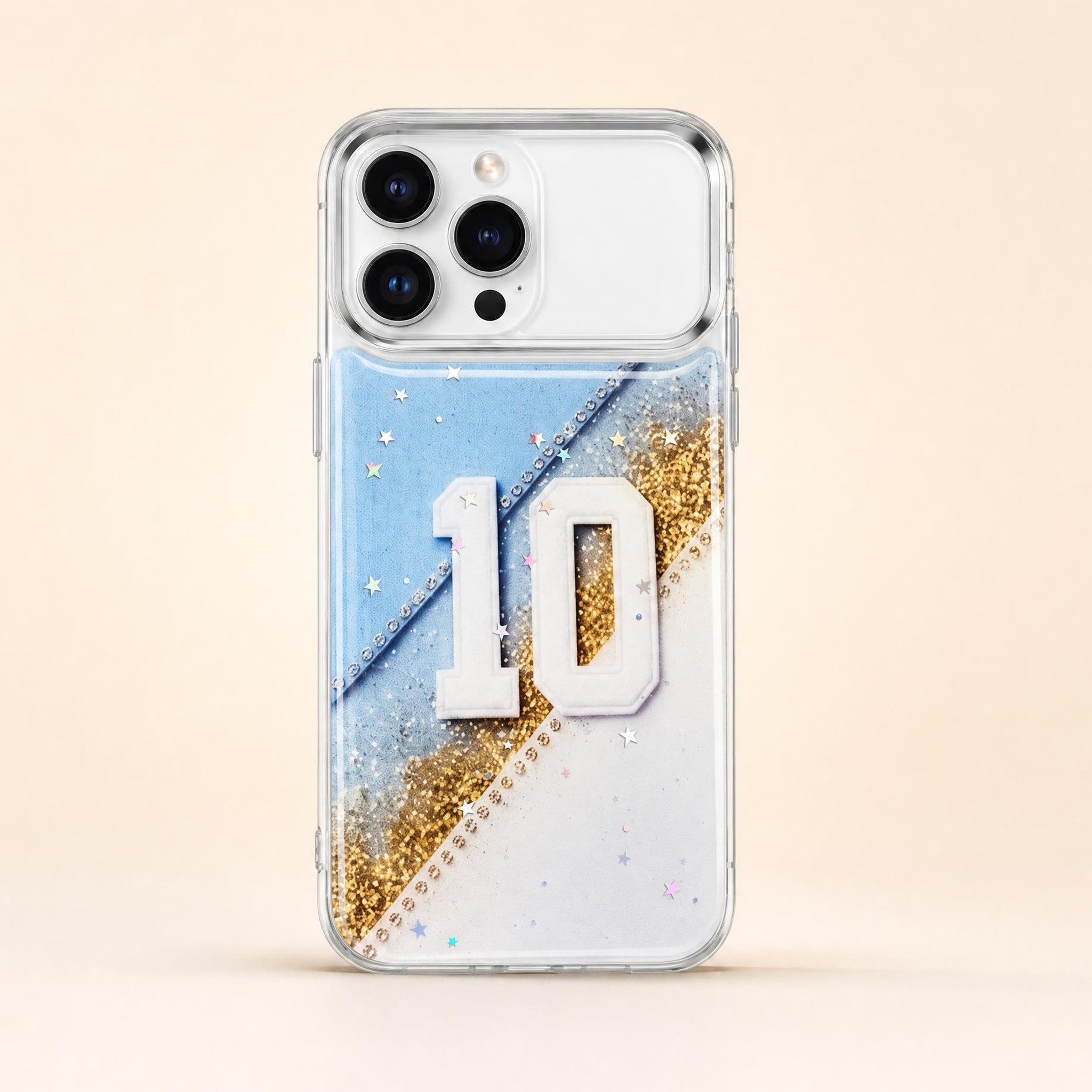
The oversized No. 10 nods to the line of Argentine football legends — from Kempes to Maradona to Messi — who carried that number and the weight it holds. Sky-blue and white recall the national colors, while gold glitter echoes the World Cup trophy and the three stars on Argentina's crest.
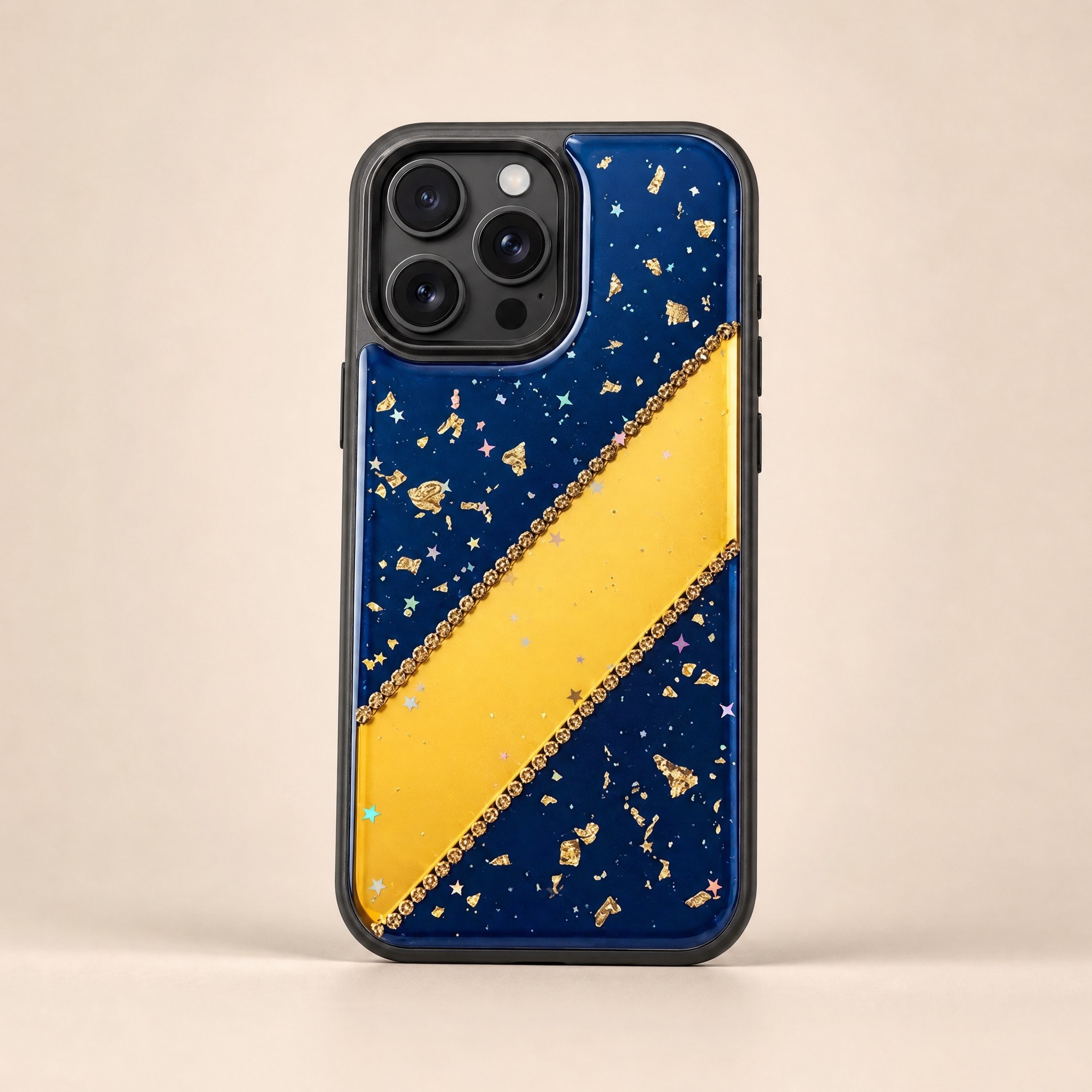
The high-contrast blue and yellow are Argentina's "Boca colors," the palette that fills the streets of La Boca in Buenos Aires, home to one of the country's most storied football clubs. Scattered gold foil stands in for the Sol de Mayo — the golden sun symbolizing freedom, dawn and new beginnings.
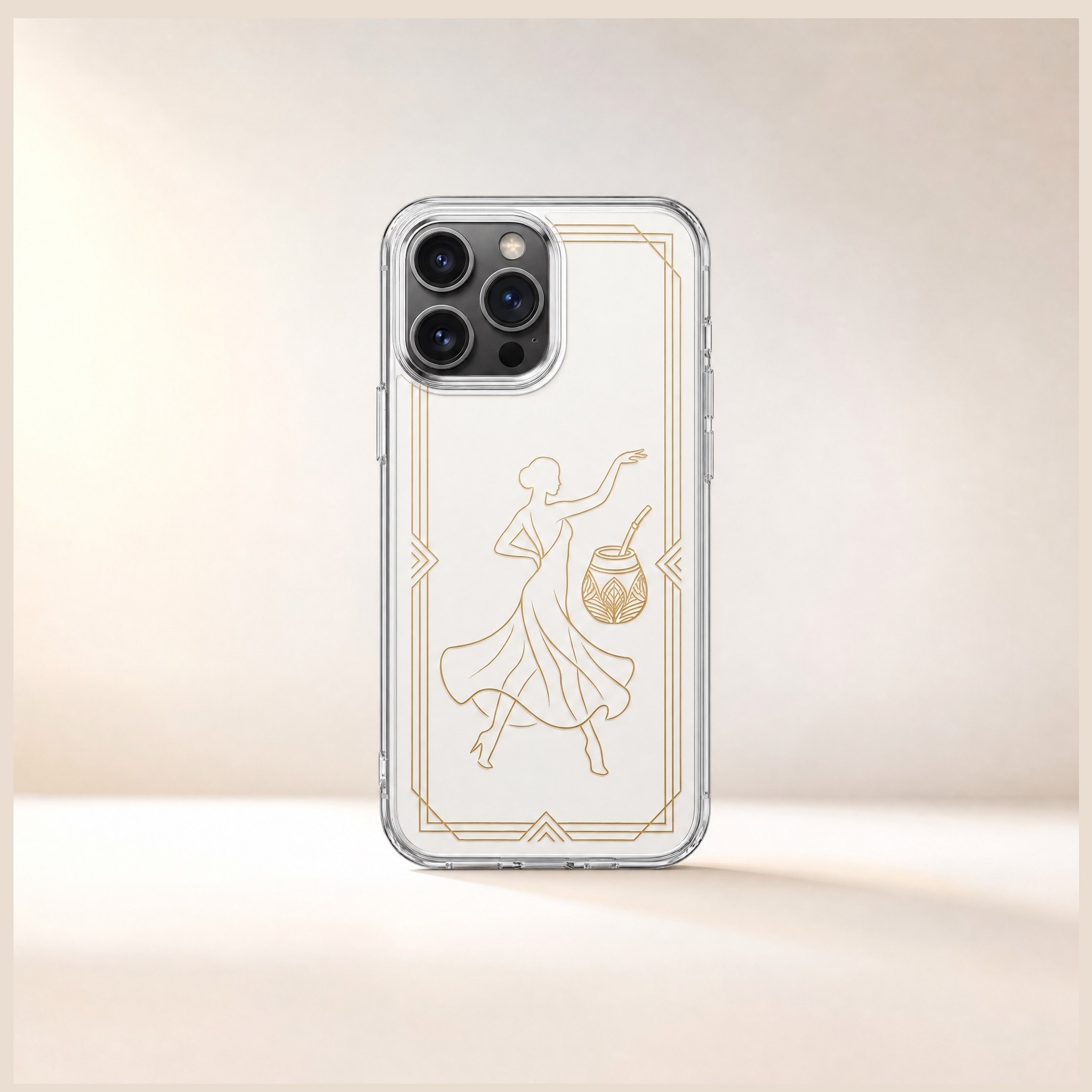
The line-art silhouette depicts a gaucho, the horsemen and herders of the Pampas who became a symbol of freedom and rural identity in Argentina. In her hand is a mate gourd and its bombilla straw — sharing mate is one of the country's most enduring rituals of hospitality and trust.
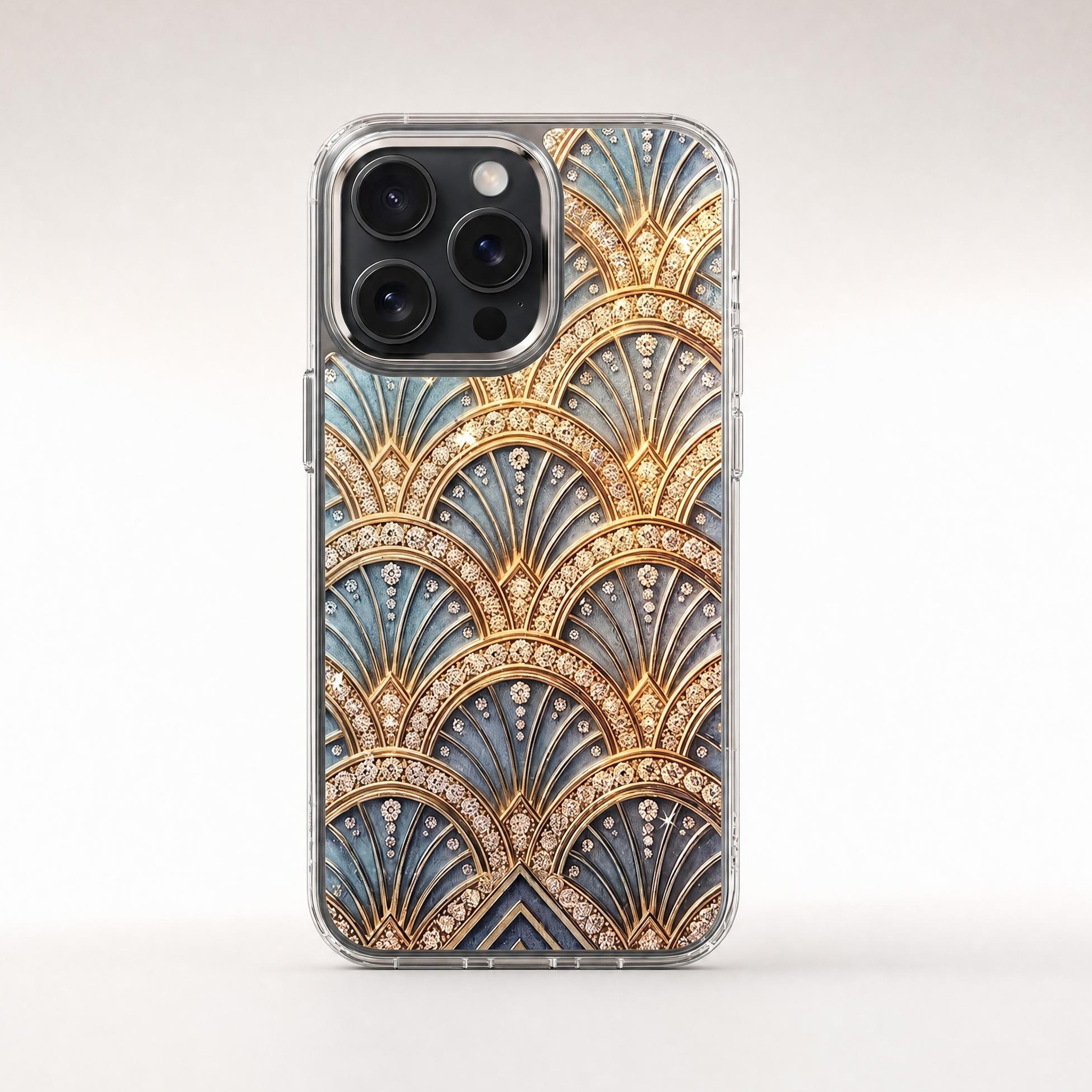
Layered fan-shaped arcs reference Art Deco's 1920s fascination with machine-age geometry and symmetry. A deep slate-blue base meets gilded lines for a deliberately luxurious contrast, with fine rhinestones set along every arc for a jewelry-like finish. Drifting gold glitter beneath the resin catches the light like a scattering of stars.
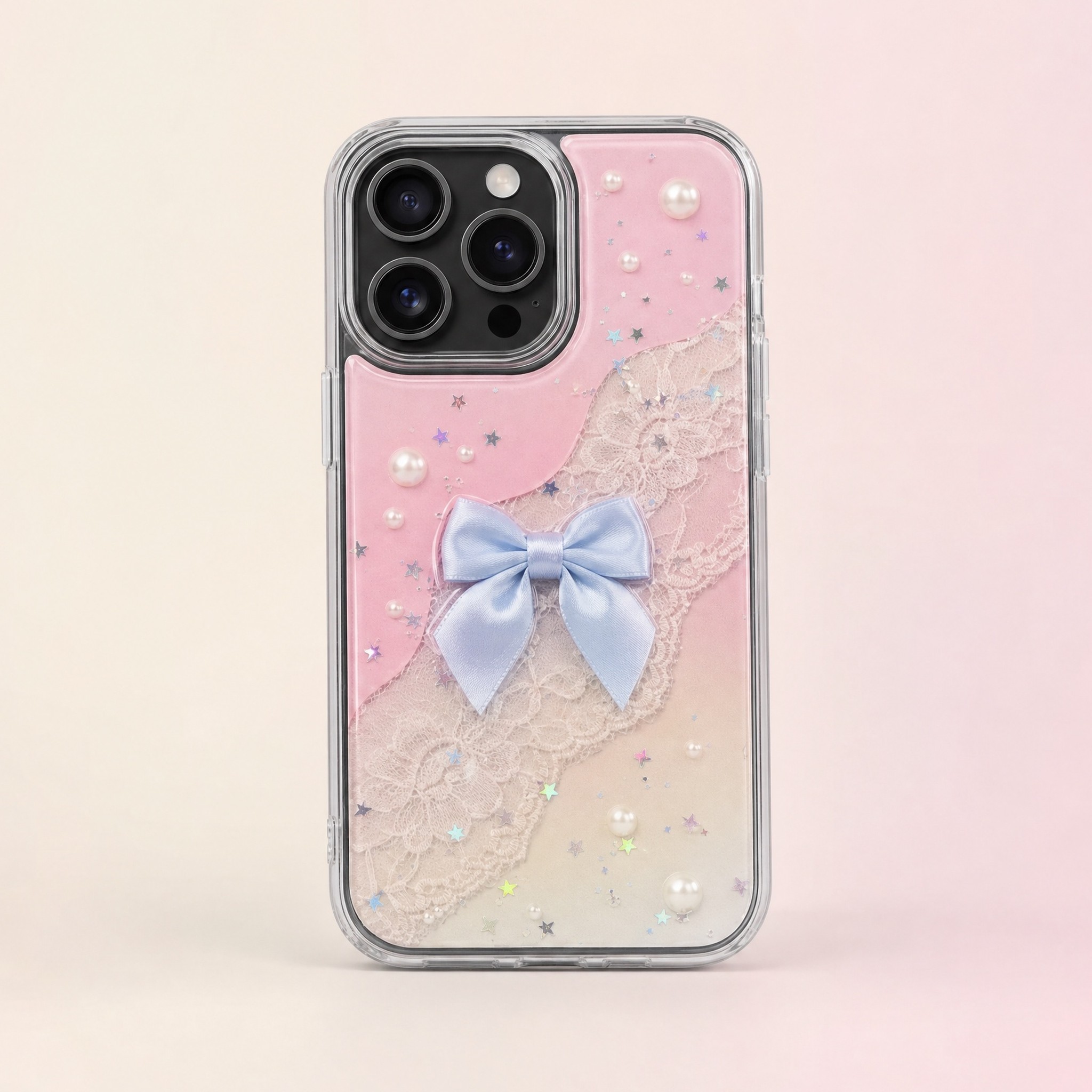
Every detail carries a soft, specific meaning: the bow is printed in place rather than glued, so it never peels or catches. Scattered pearls add a quiet, vintage elegance, while the lace motif borrows from romantic European costume in a pastel palette that leans gentle rather than loud.
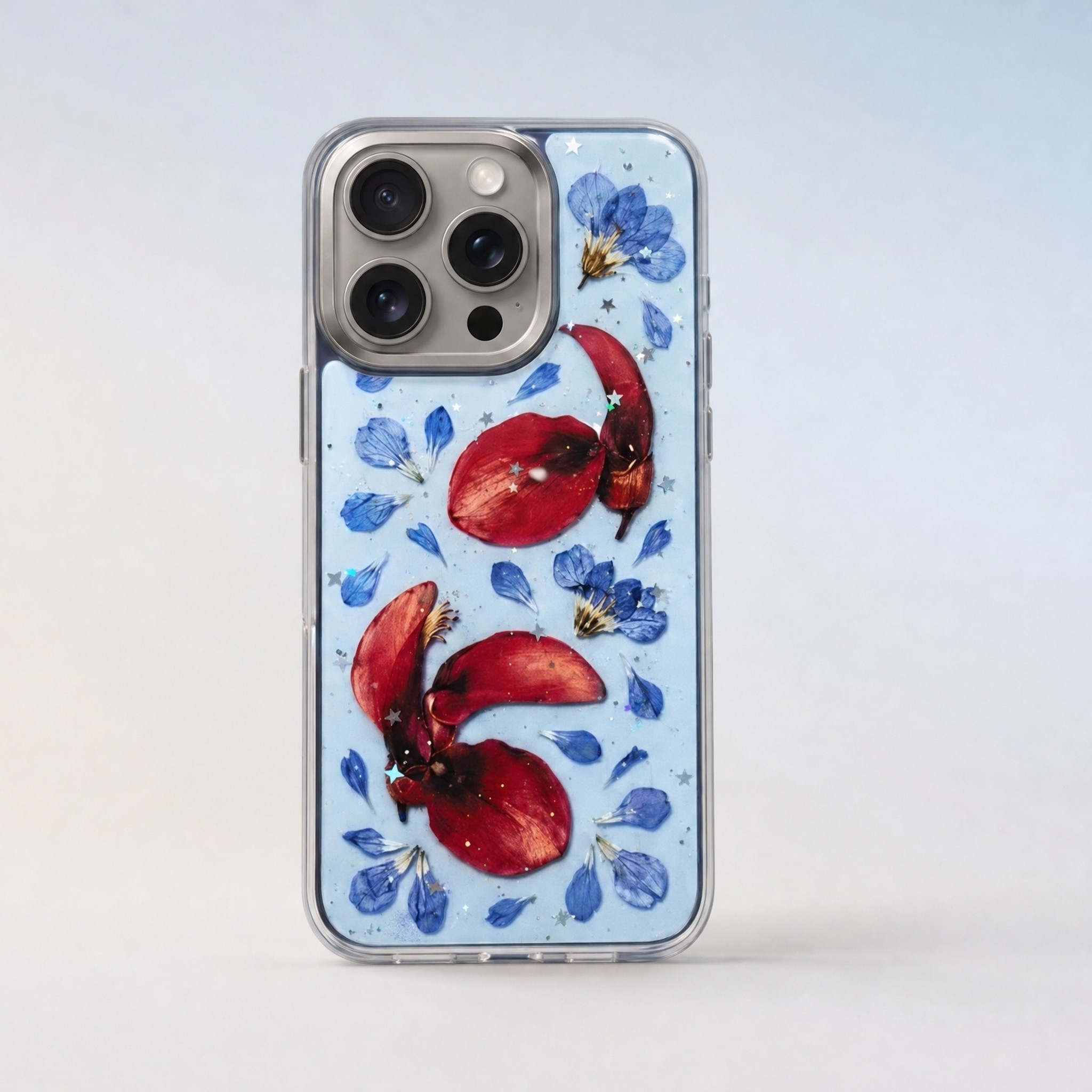
No single flag or era sits behind this one — the meaning is in the colors. Deep red petals carry warmth and passion, cooler blue blossoms bring calm and quiet hope, and scattered silver stars nod to dreams worth holding onto. Real dried petals are sealed into the resin, a deliberate way of preserving a fleeting moment.
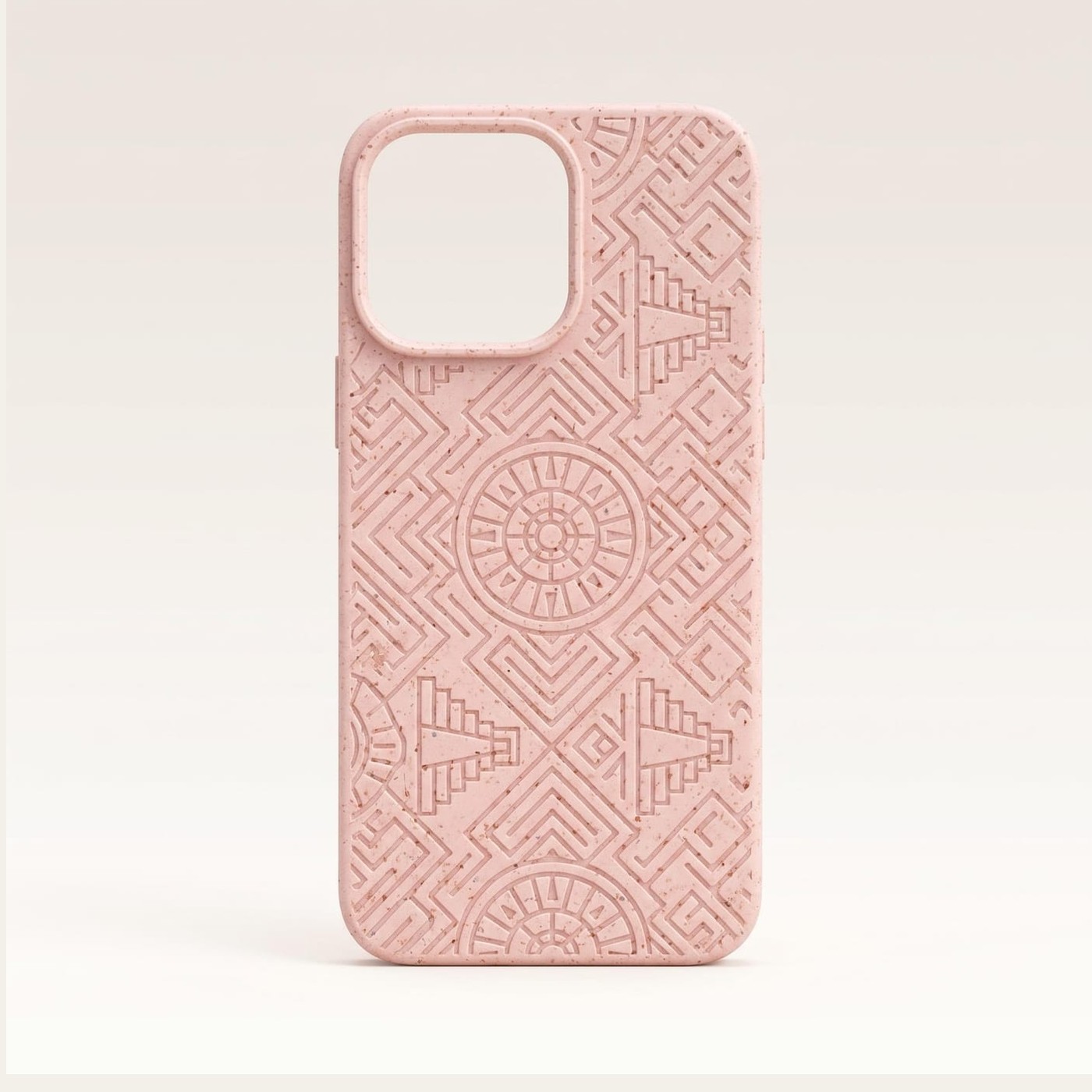
Four building blocks of Aztec and Maya design — the stepped pyramid as a sacred mountain, the sun stone as the turning of time, the stepped-fret spiral as movement, and the diamond lattice as an ordered cosmos. Together: cosmic order and a civilisation that has lasted.
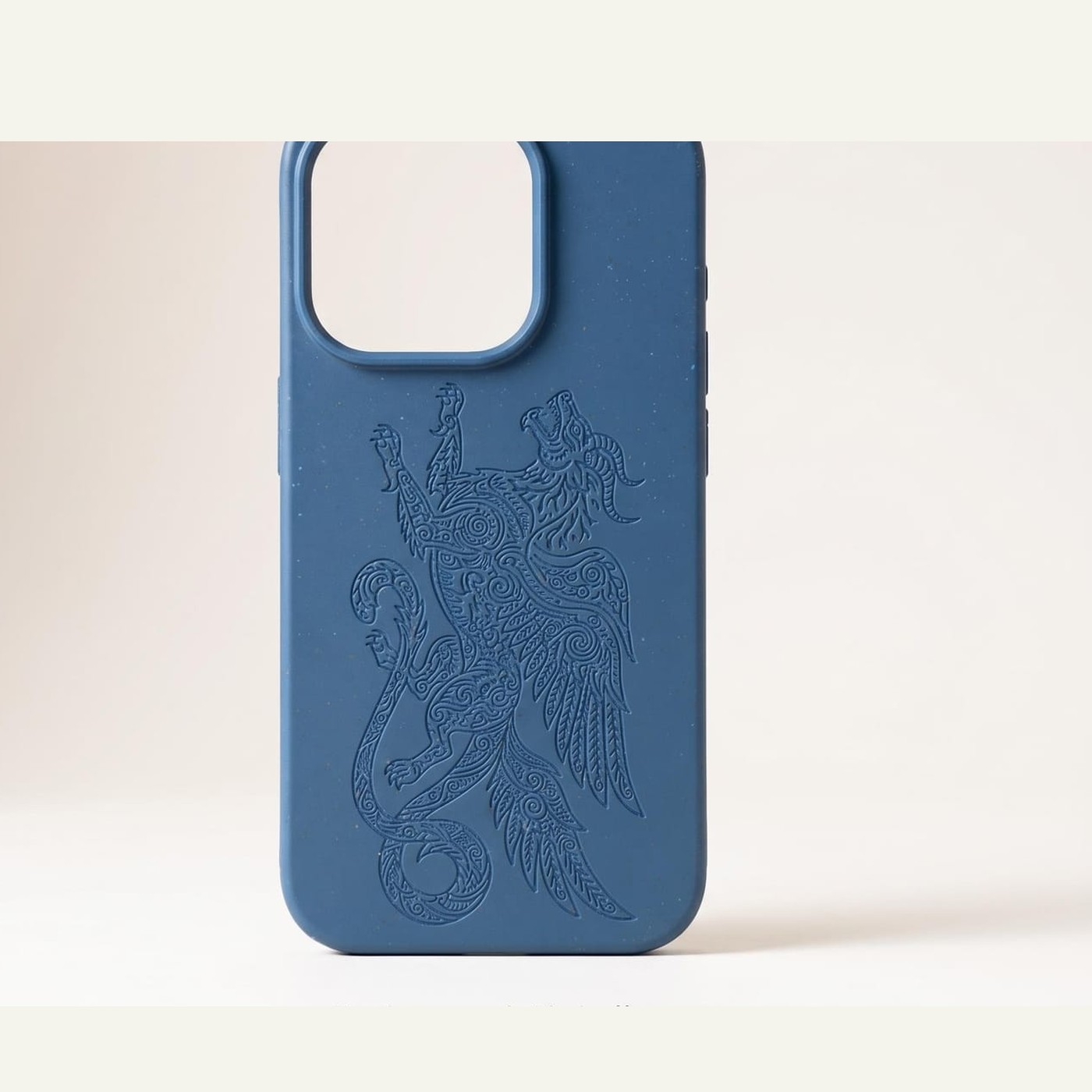
The alebrije is a Mexican folk-art invention: a fantastical creature built from many animals at once — feline body, wings, horns, a serpent tail — covered in dense scrollwork. Born from a craftsman's fever dream in 1930s Mexico City, it's read as a spirit guide between worlds.
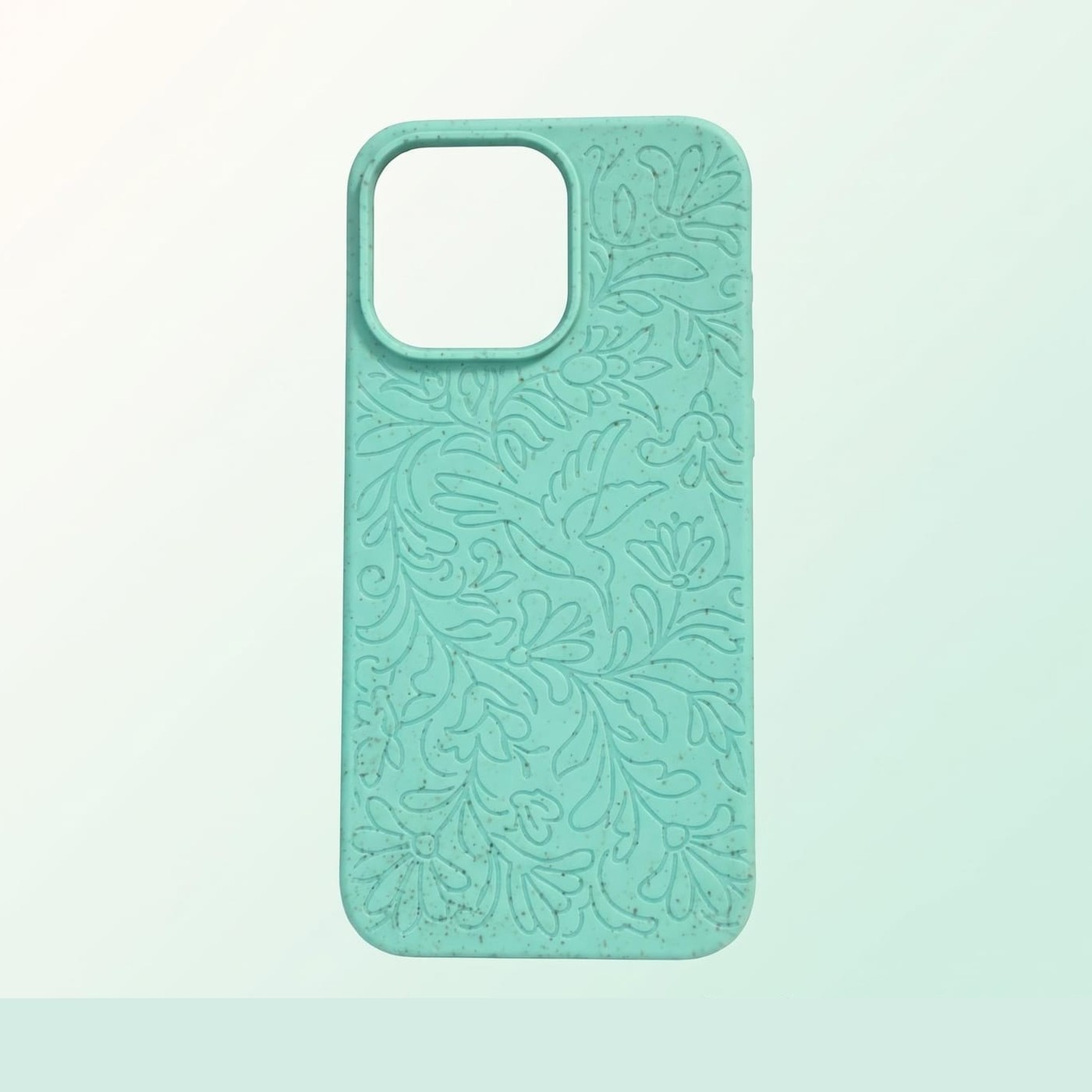
The motif comes from Mexican hand embroidery — Oaxacan scrolling flowers and Otomí Tenango bird work — with a hummingbird in flight at its centre. Flowers stand for abundance and pride; the colibrí, for joy and love; the stitching itself, for patience handed down.
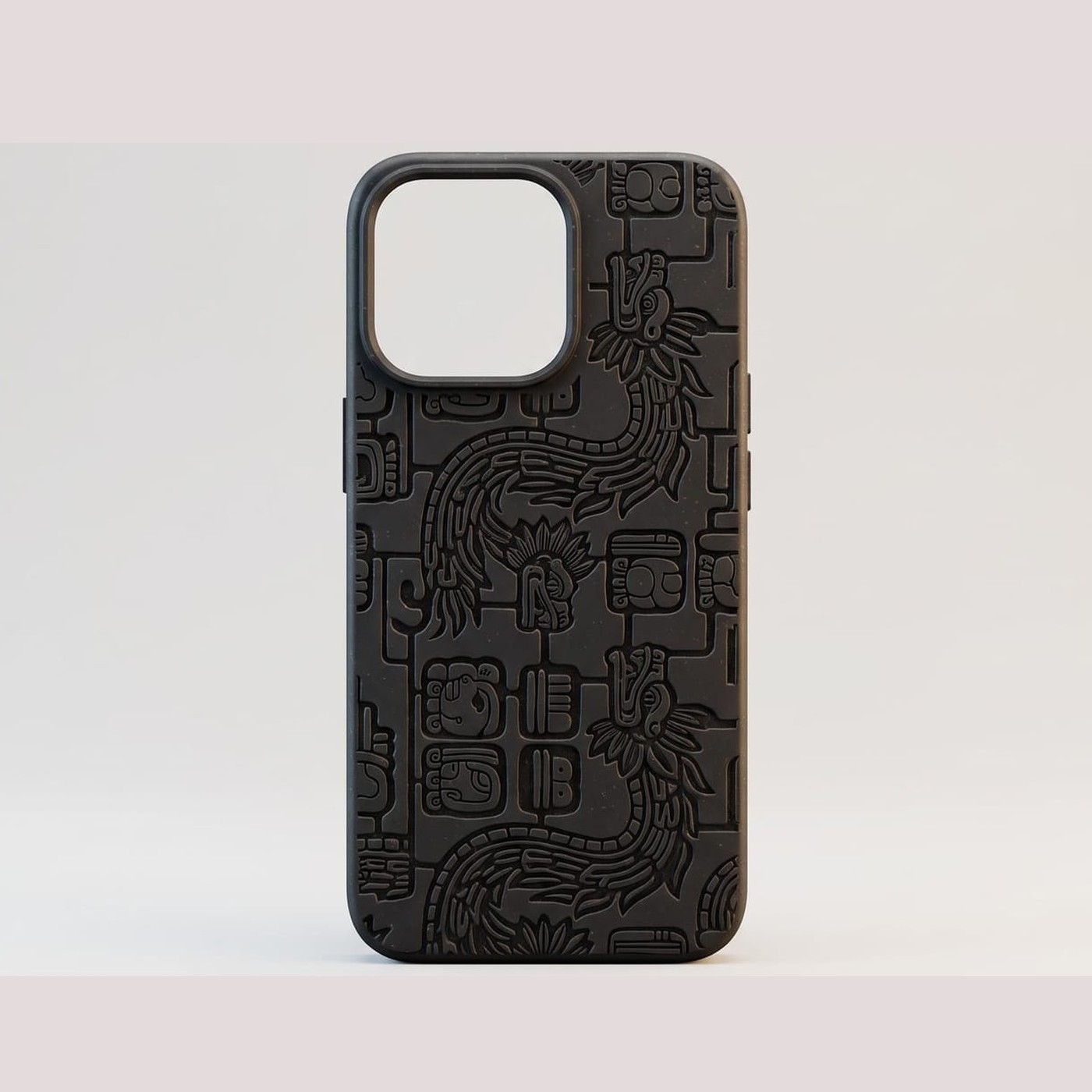
The pattern sets Maya hieroglyph cartouches against Kukulkan, the feathered serpent that descends El Castillo's staircase at the equinox. The glyphs stand for knowledge carved to outlast its makers; the serpent, for renewal and cycles.
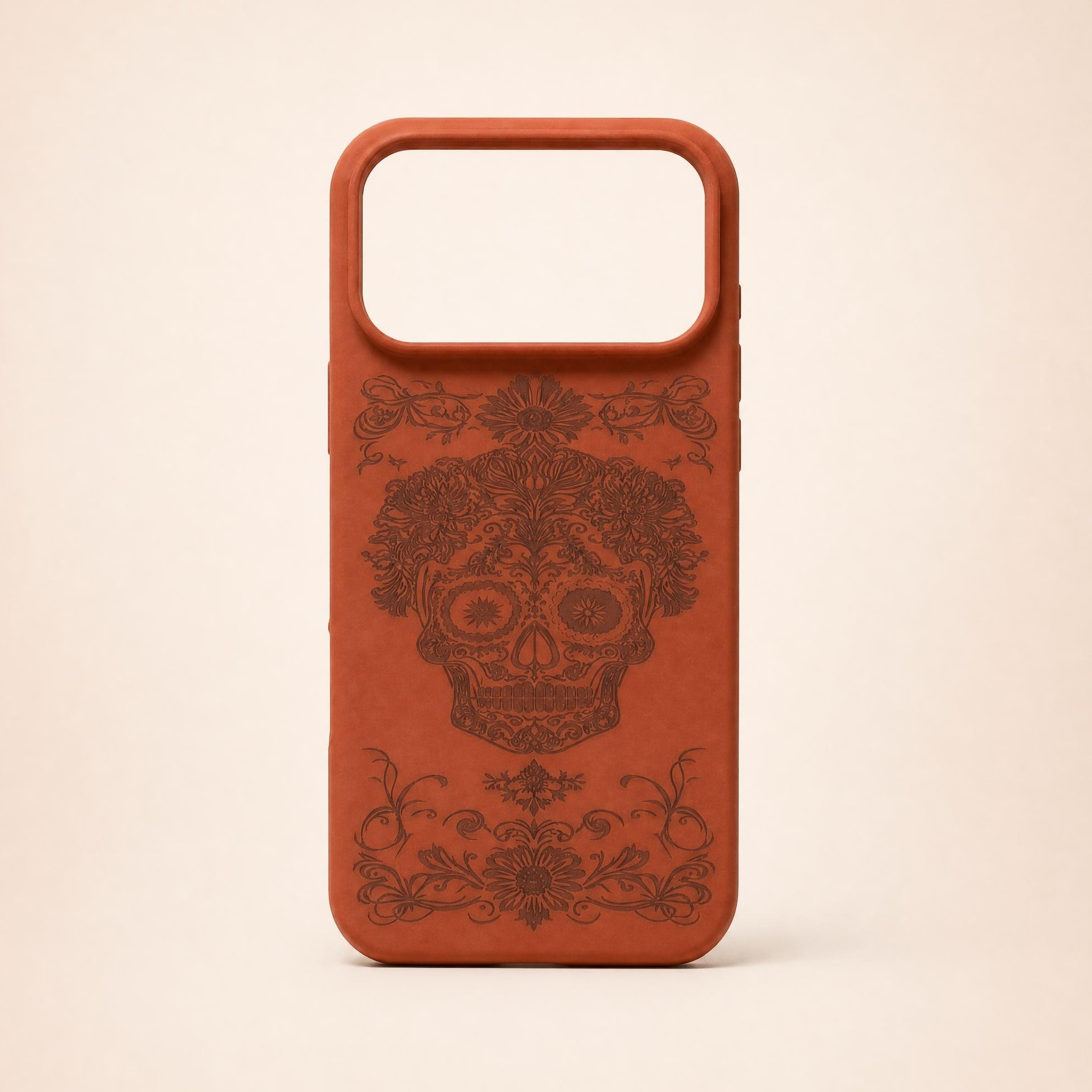
La Catrina's sugar-skull portrait, framed in a marigold crown and lace-like linework — Mexico's best-known Día de los Muertos icon, honouring death with colour and ceremony rather than fear.
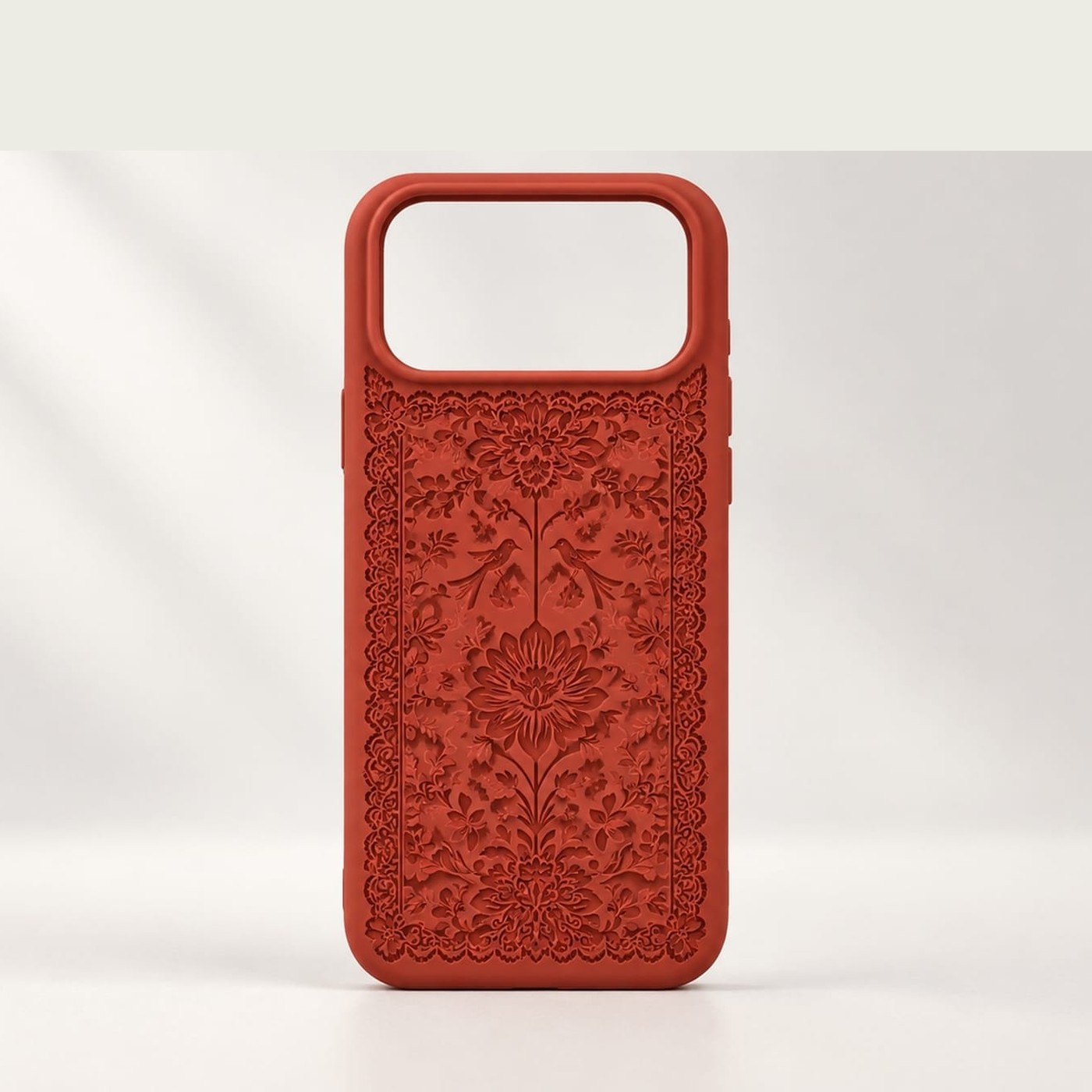
Papel picado's perforated banner motif, echoing Mexico's festival and wedding decorations — a cut-paper craft whose own logic of removing material to reveal a pattern maps naturally onto laser engraving.
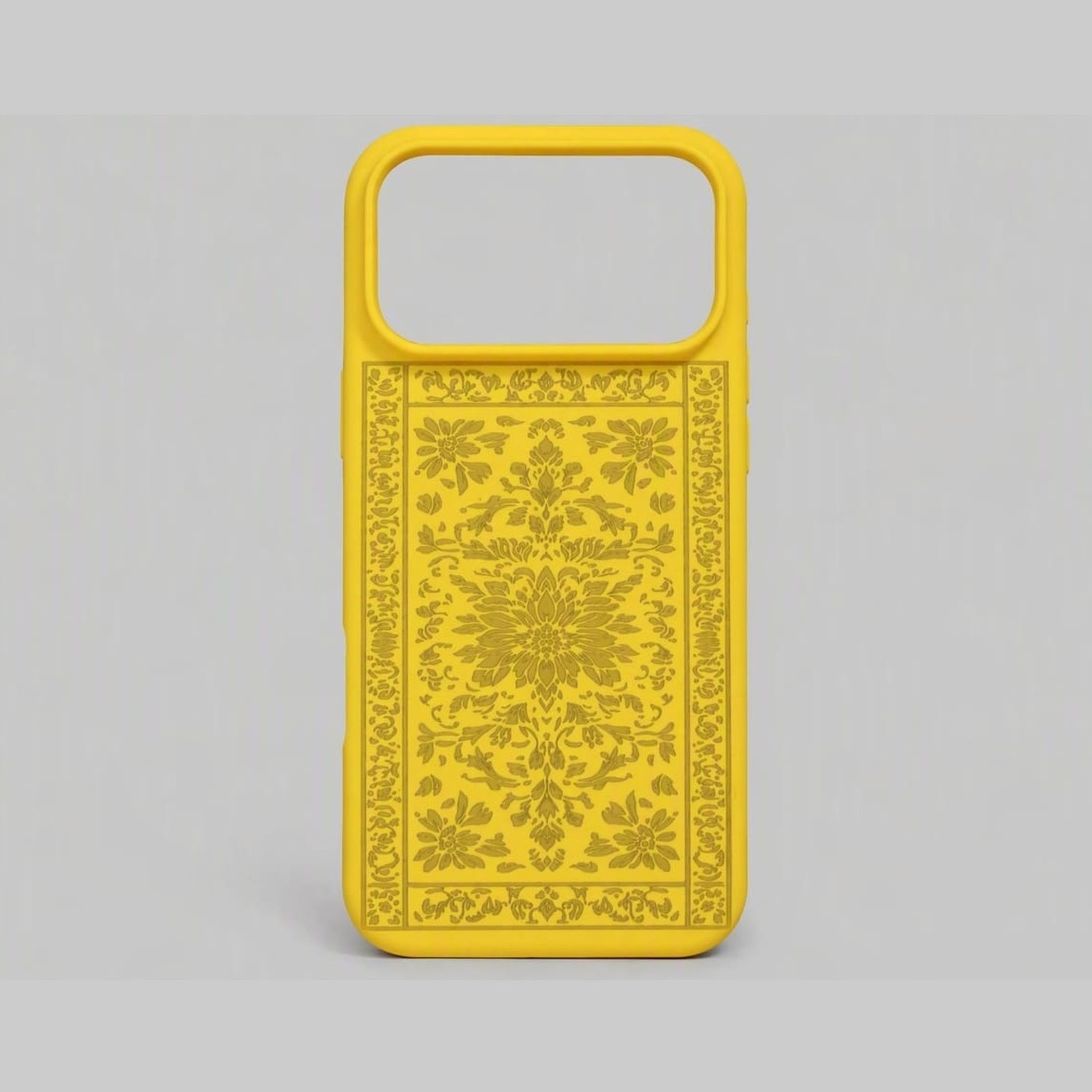
A Talavera-style floral medallion and geometric border, referencing Puebla's UNESCO-listed glazed-ceramic craft — one of the most recognisable handmade-Mexico visual signatures.
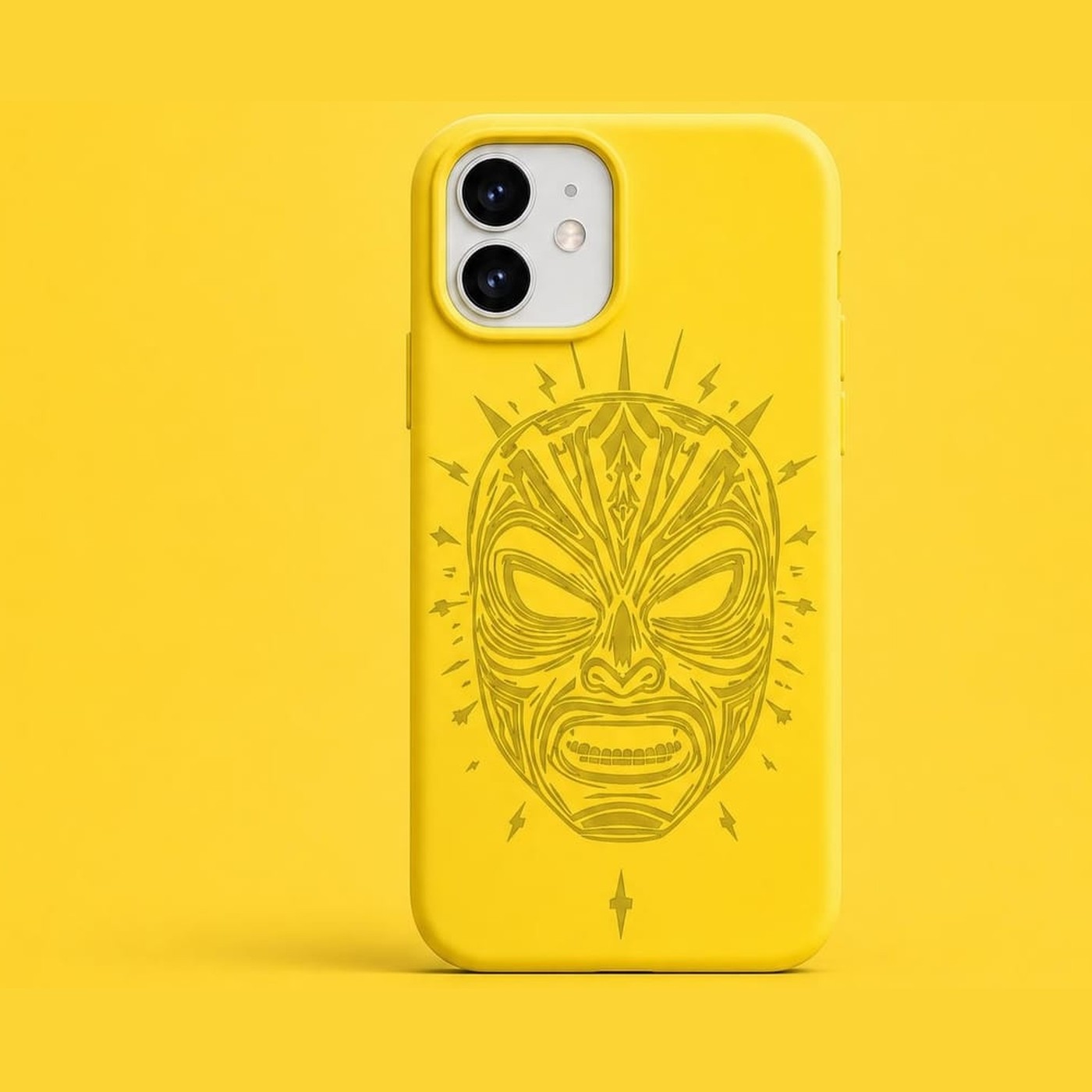
A front-facing lucha libre mask design — the identity a Mexican wrestler builds a career around — rendered as bold engraved linework for a younger, street-culture audience.
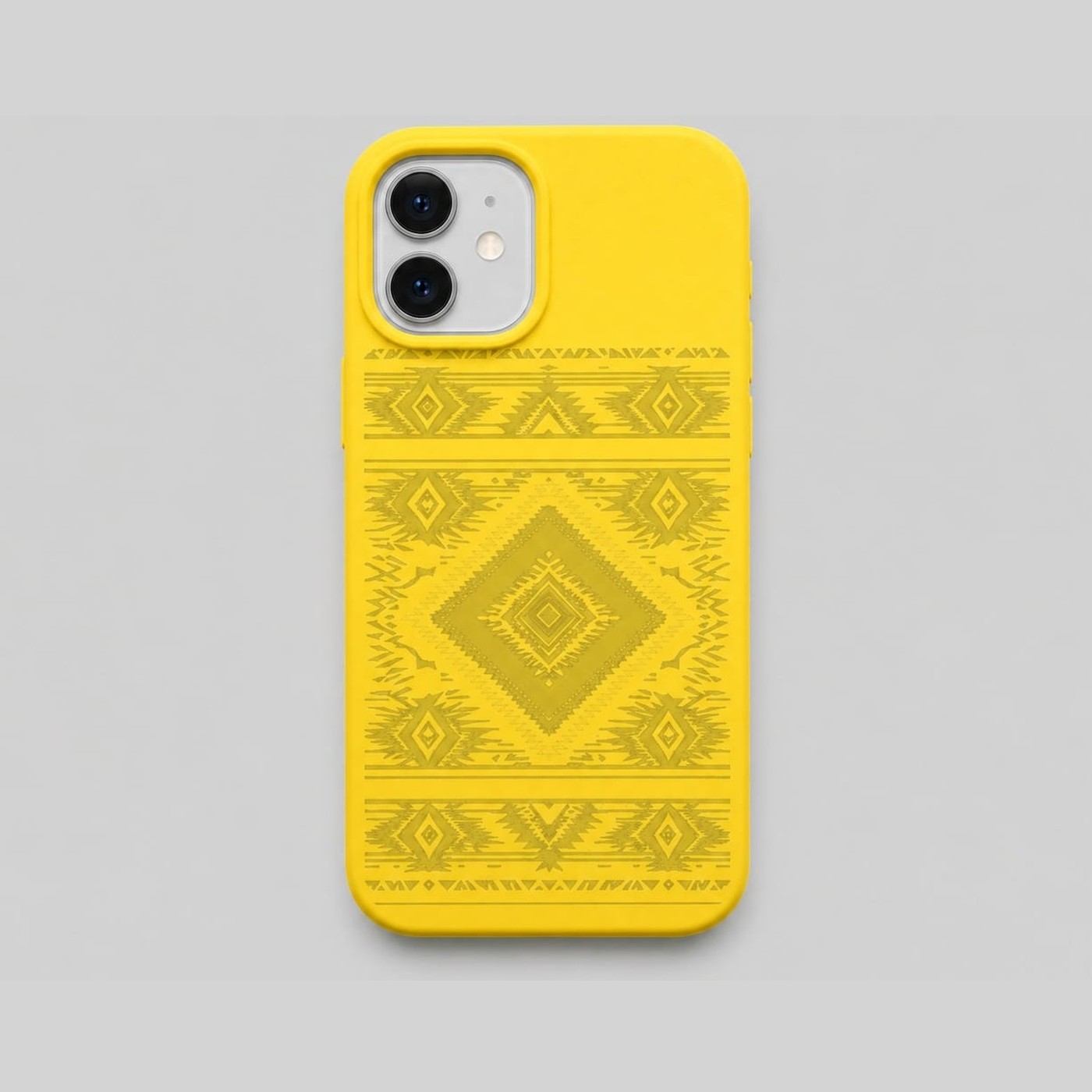
A Saltillo sarape blanket's central diamond medallion and zigzag stripe bands, translated from a woven textile into pure engraved linework.
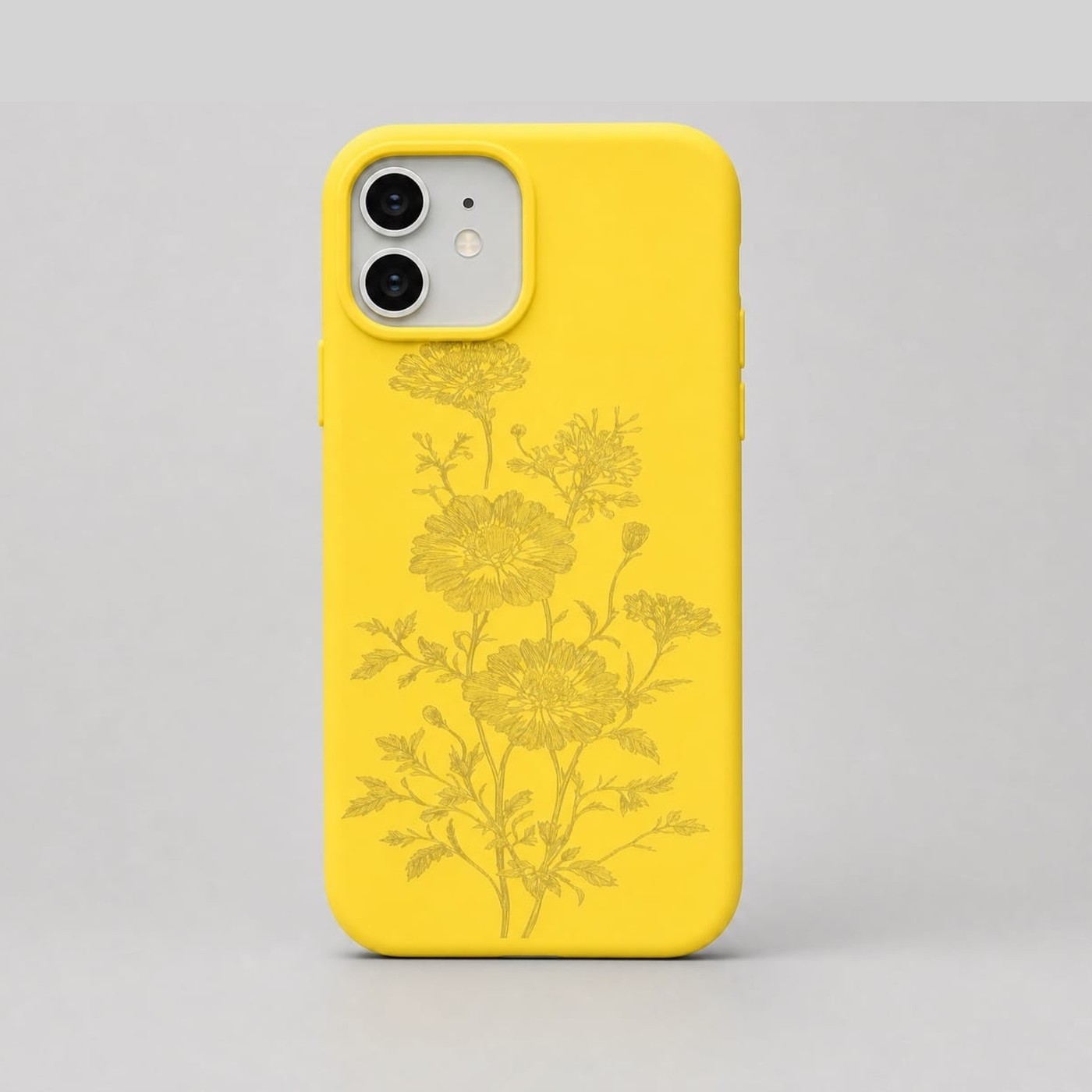
Cempasúchil, the marigold that guides spirits home during Día de los Muertos — rendered as layered petal linework, a specific and story-carrying alternative to a generic floral print.
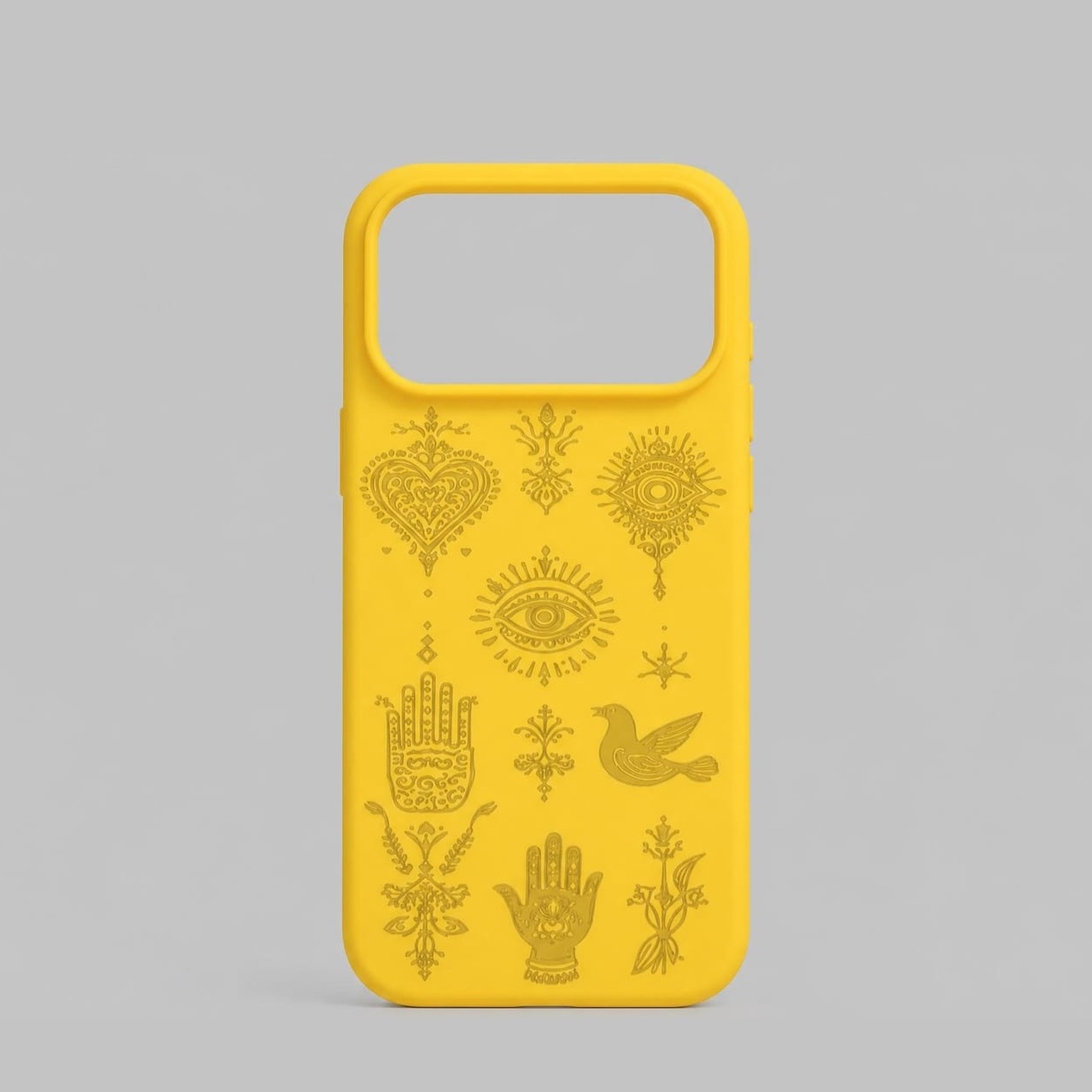
Milagros — the small votive charms Mexican Catholics leave at church altars for protection and blessing — arranged as an engraved pattern that carries an emotional charge beyond decoration.
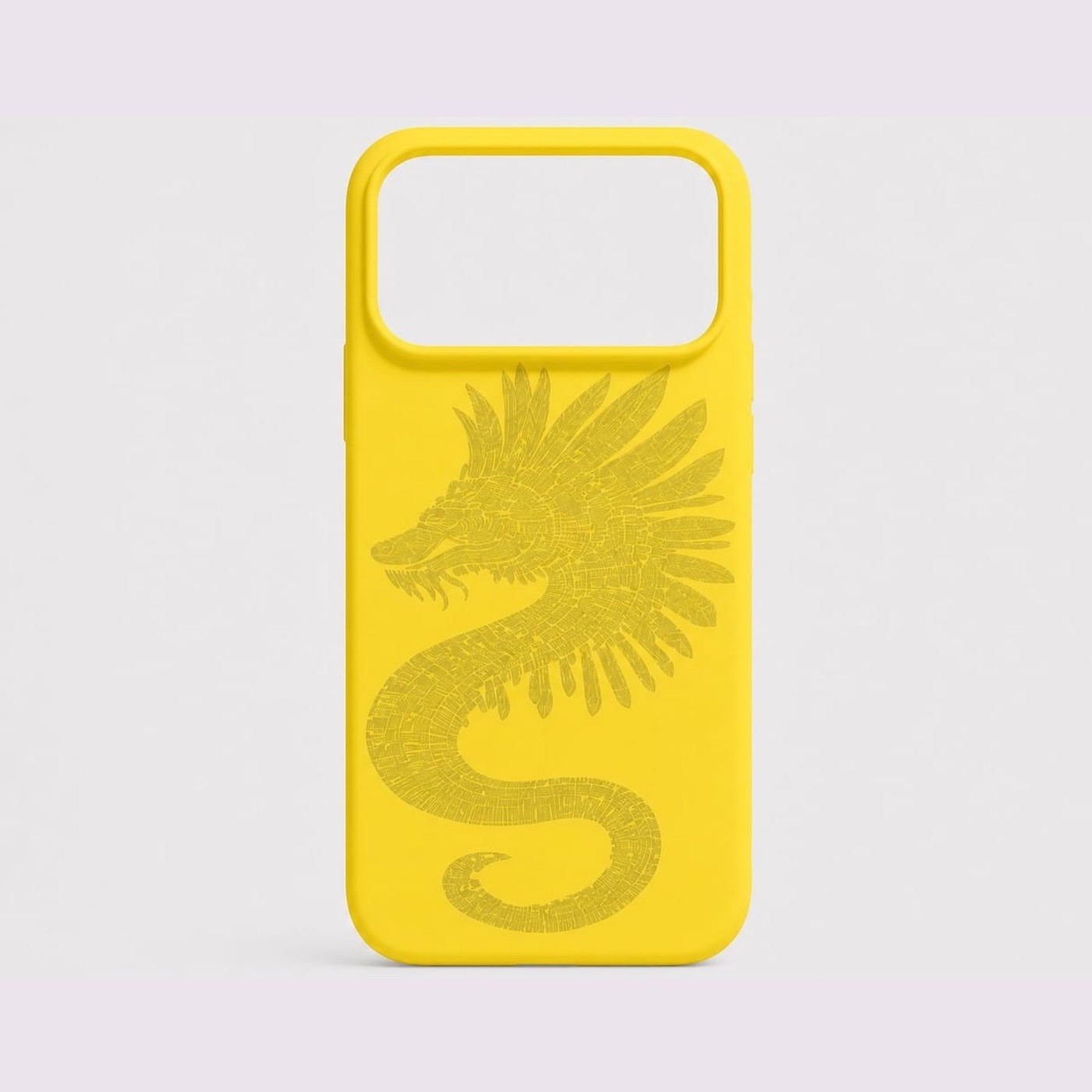
Quetzalcóatl, the feathered serpent worshipped across Mesoamerican civilisations as a god of wisdom, wind and life — a specific mythological figure rather than a generic geometric pattern.
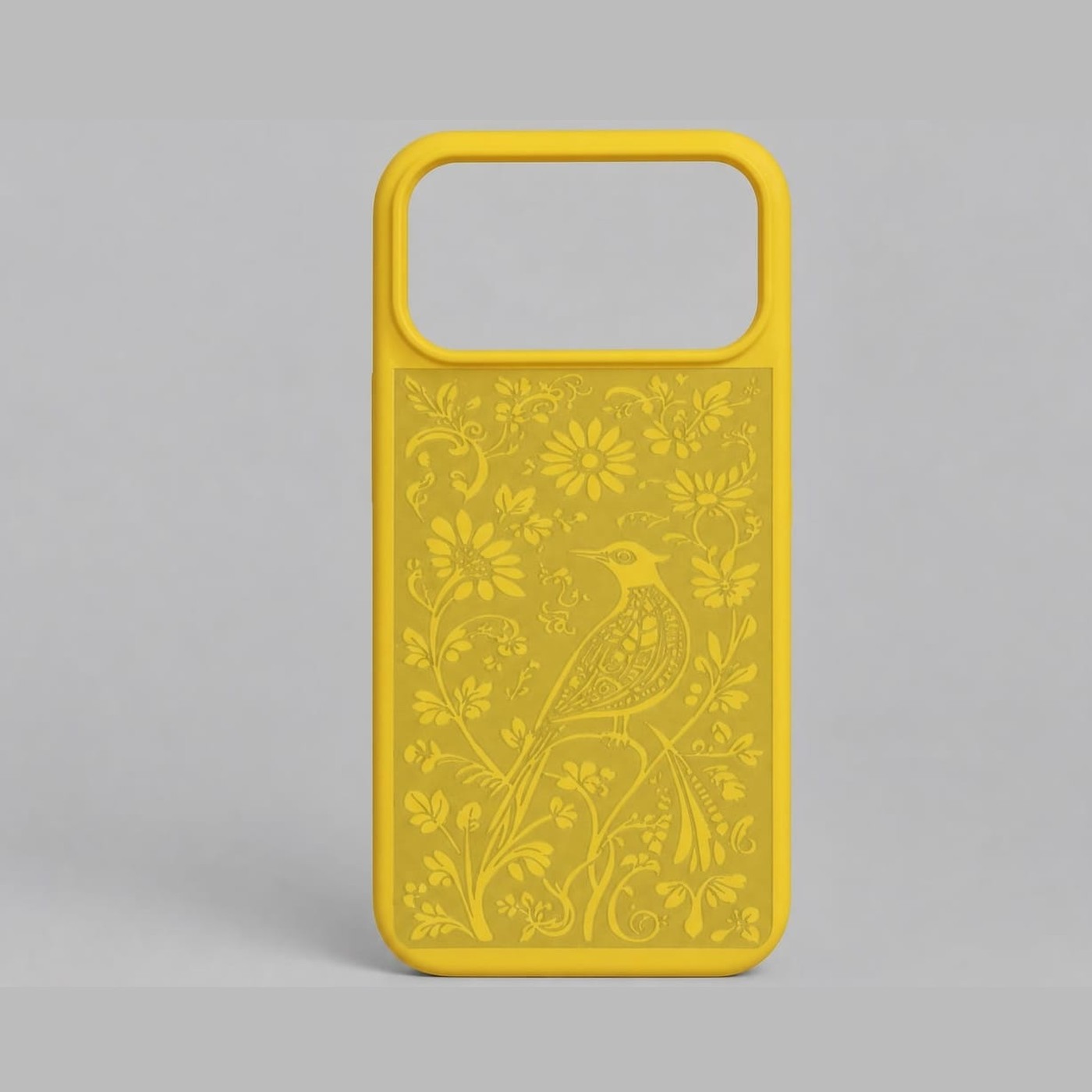
Barro negro, Oaxaca's hand-carved black-clay pottery craft — a rustic bird-and-vine motif that gives the Mexico collection a second, more handmade texture alongside the refined Talavera tile design.
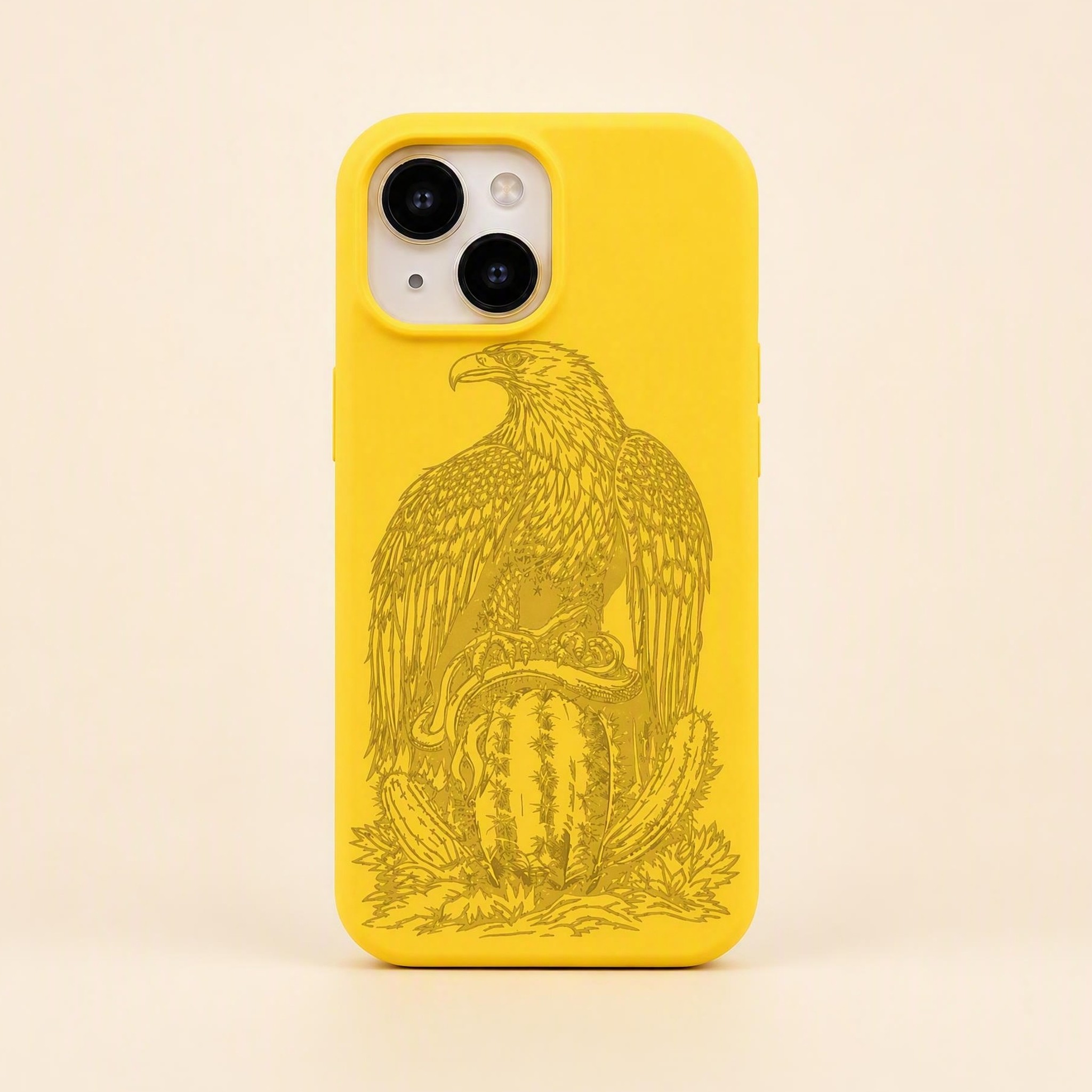
The eagle perched on a nopal cactus, serpent in its beak — the founding legend at the centre of Mexico's flag, and the most direct, least-explaining-required Mexican symbol there is.
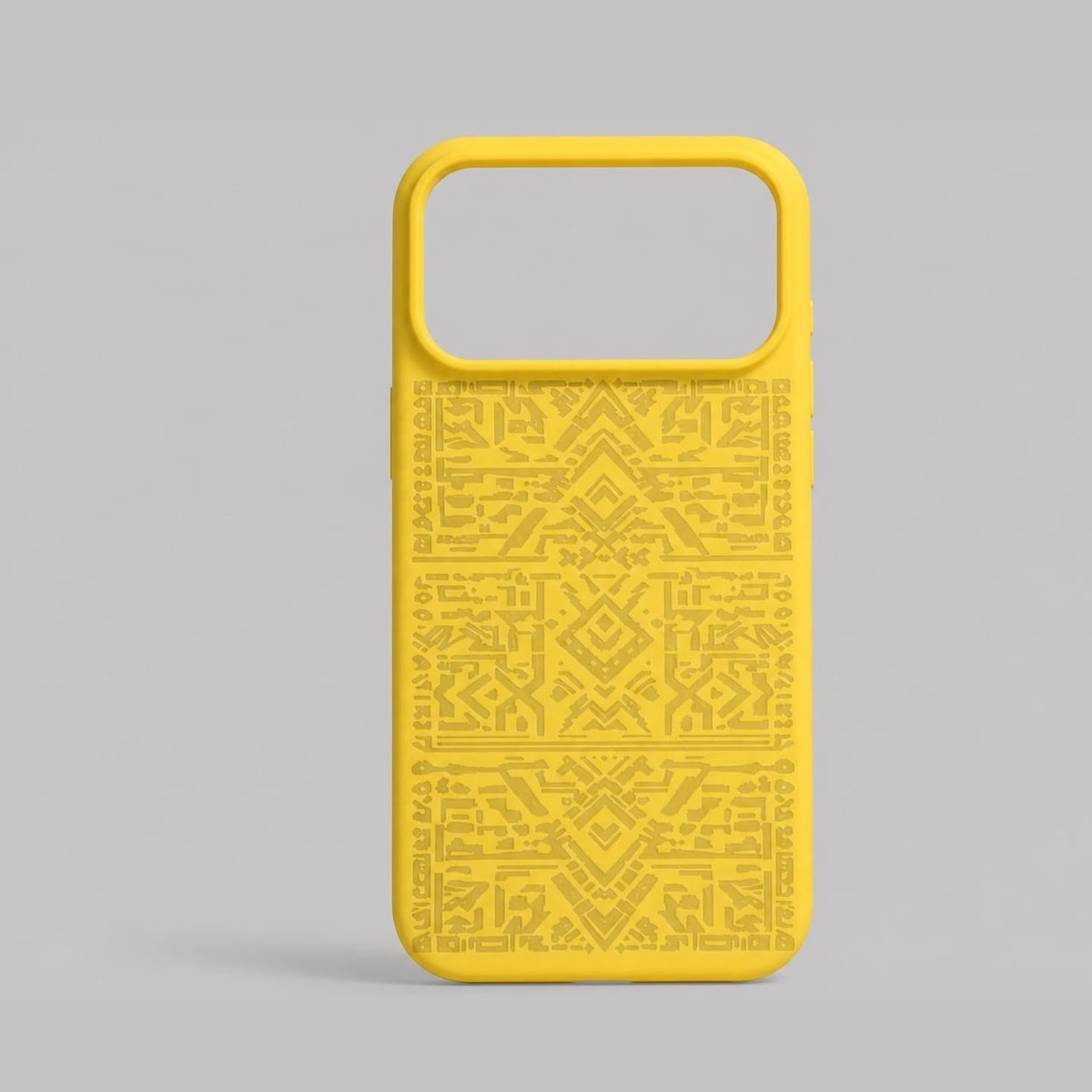
Aztec stepped-fret and diamond geometry, drawn from stone carving and textile borders — the same motif as the collection's original wheat-straw design, rebuilt in liquid silicone.
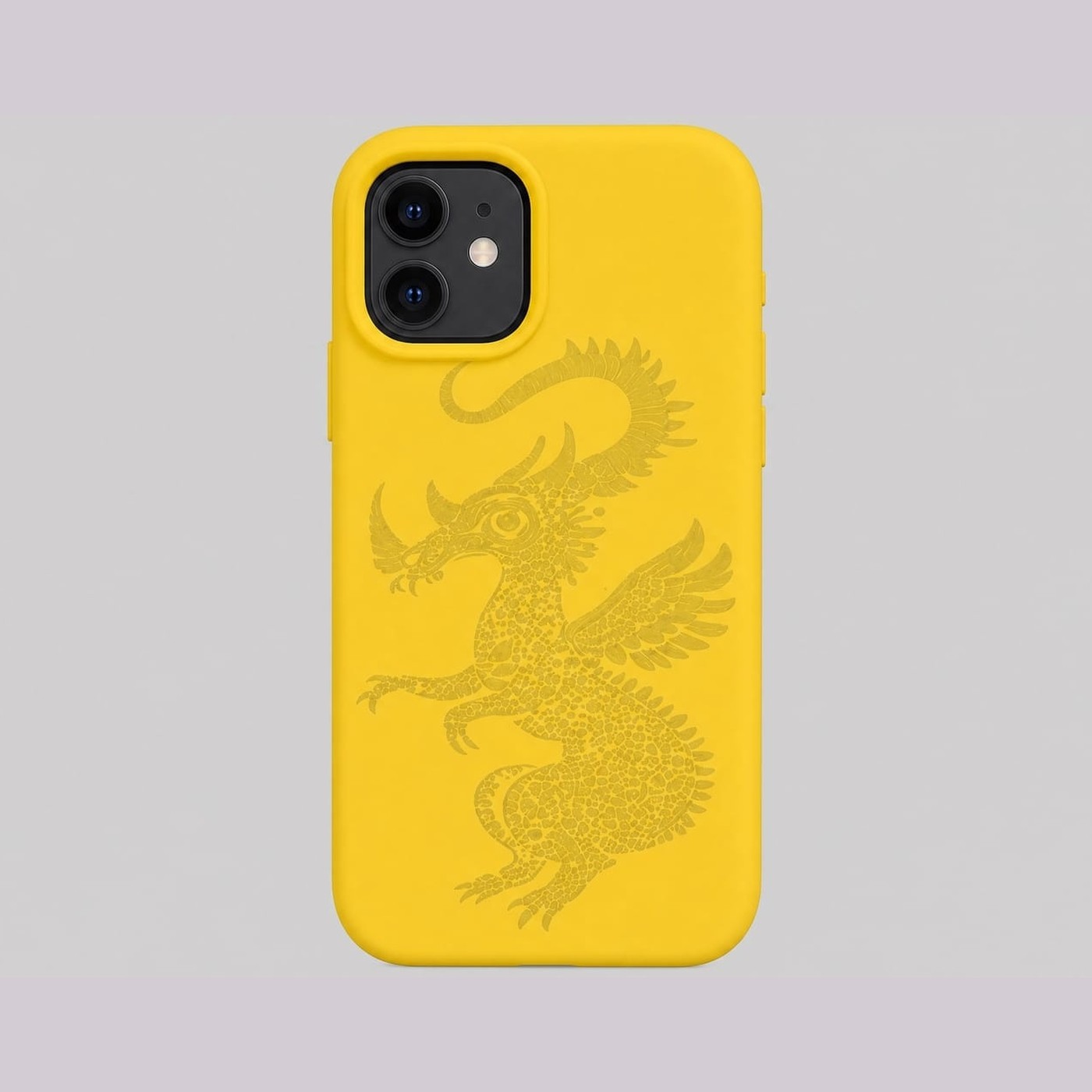
Alebrijes — Oaxaca's hand-carved fantastical spirit creatures, born from artist Pedro Linares's fever dream in the 1930s — rebuilt from the collection's wheat-straw original in liquid silicone.
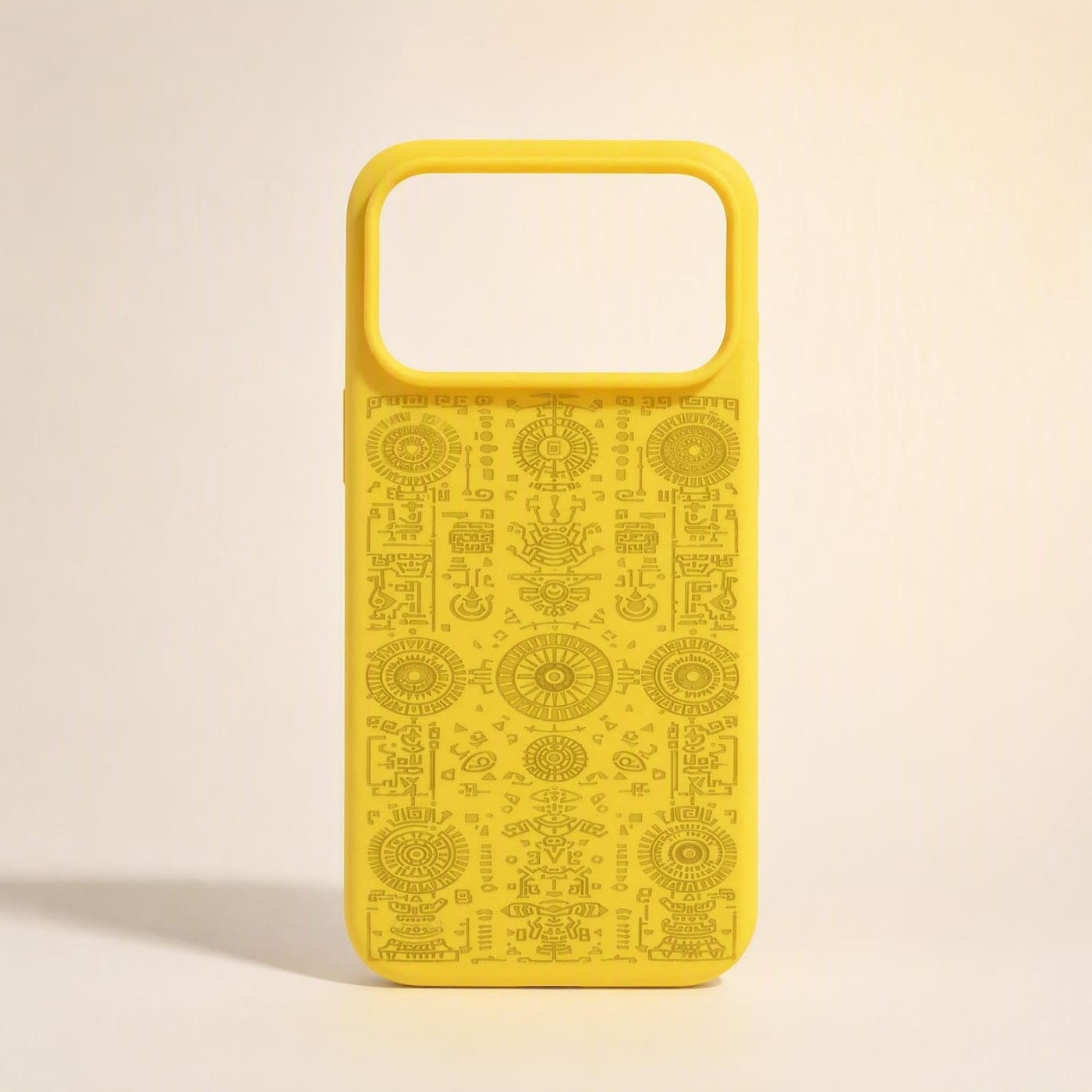
Mayan hieroglyphic and calendar symbols, carrying the weight of an ancient writing and timekeeping system — the collection's original wheat-straw Mayan Glyphs design, rebuilt in liquid silicone.
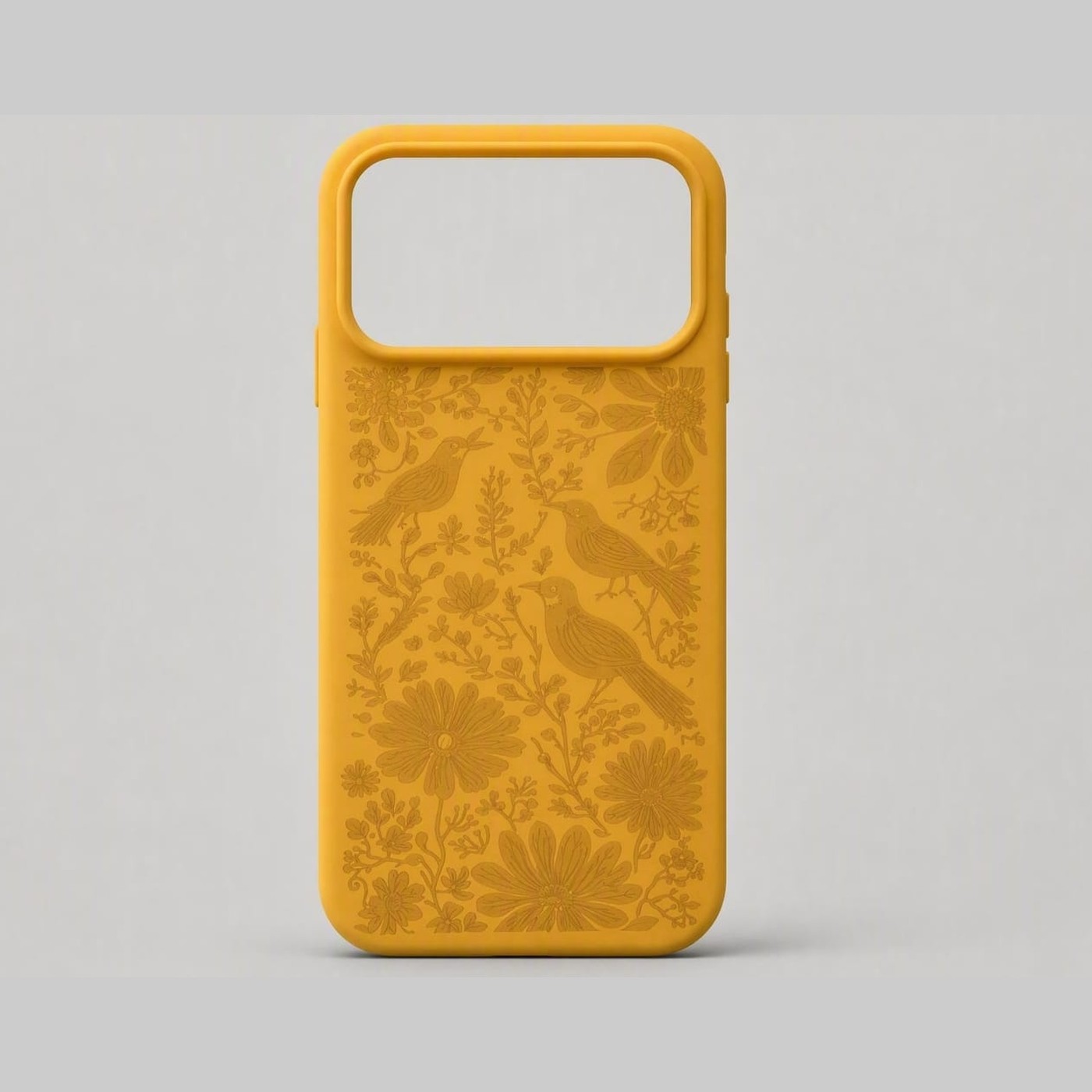
Otomi embroidery's flowing floral and bird linework, one of Mexico's best-loved textile looks abroad — the collection's original wheat-straw Floral Embroidery design, rebuilt in liquid silicone.
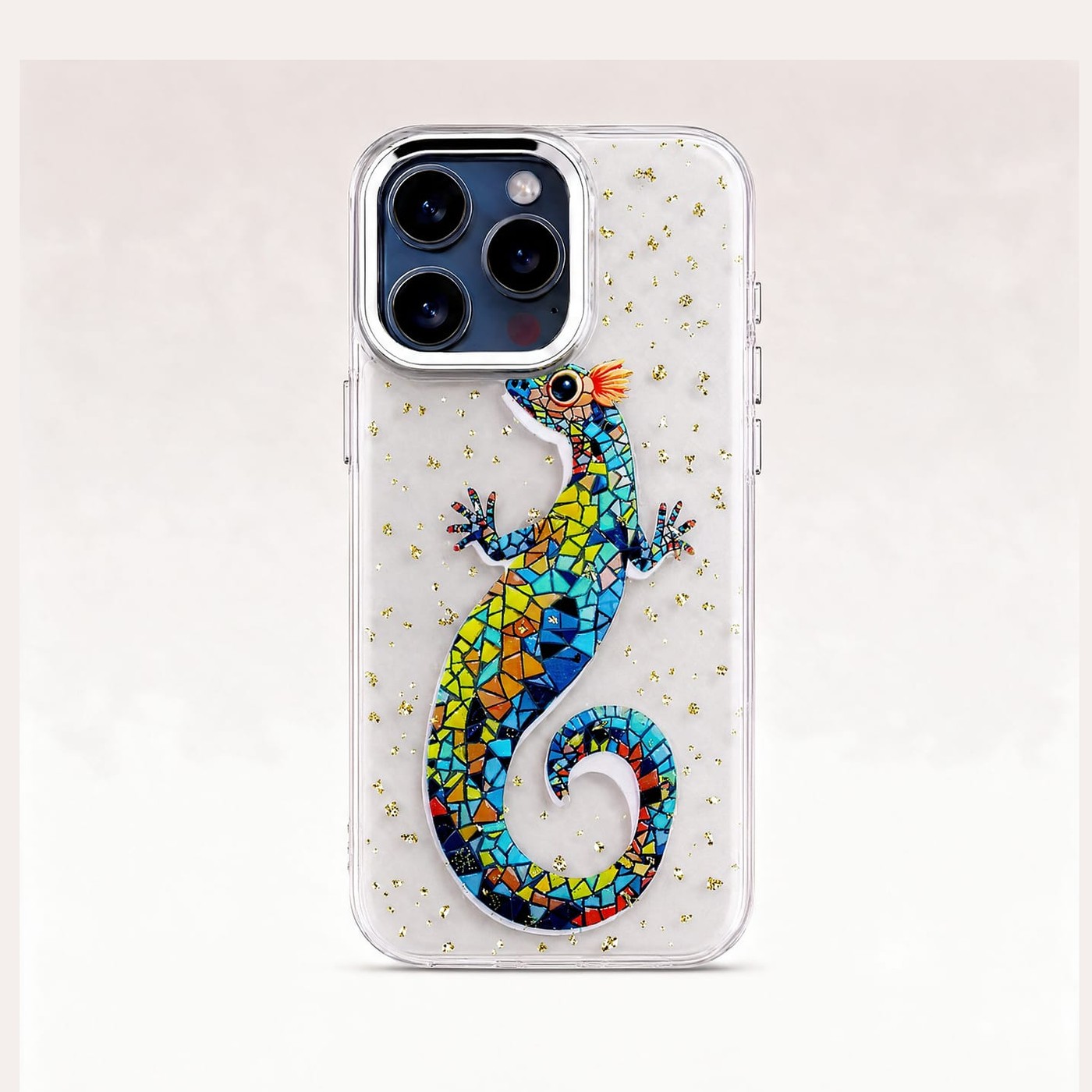
El Drac, Gaudí's mosaic salamander from Park Güell — a specific Barcelona landmark rendered in Trencadís-style colour, not a generic reptile motif.
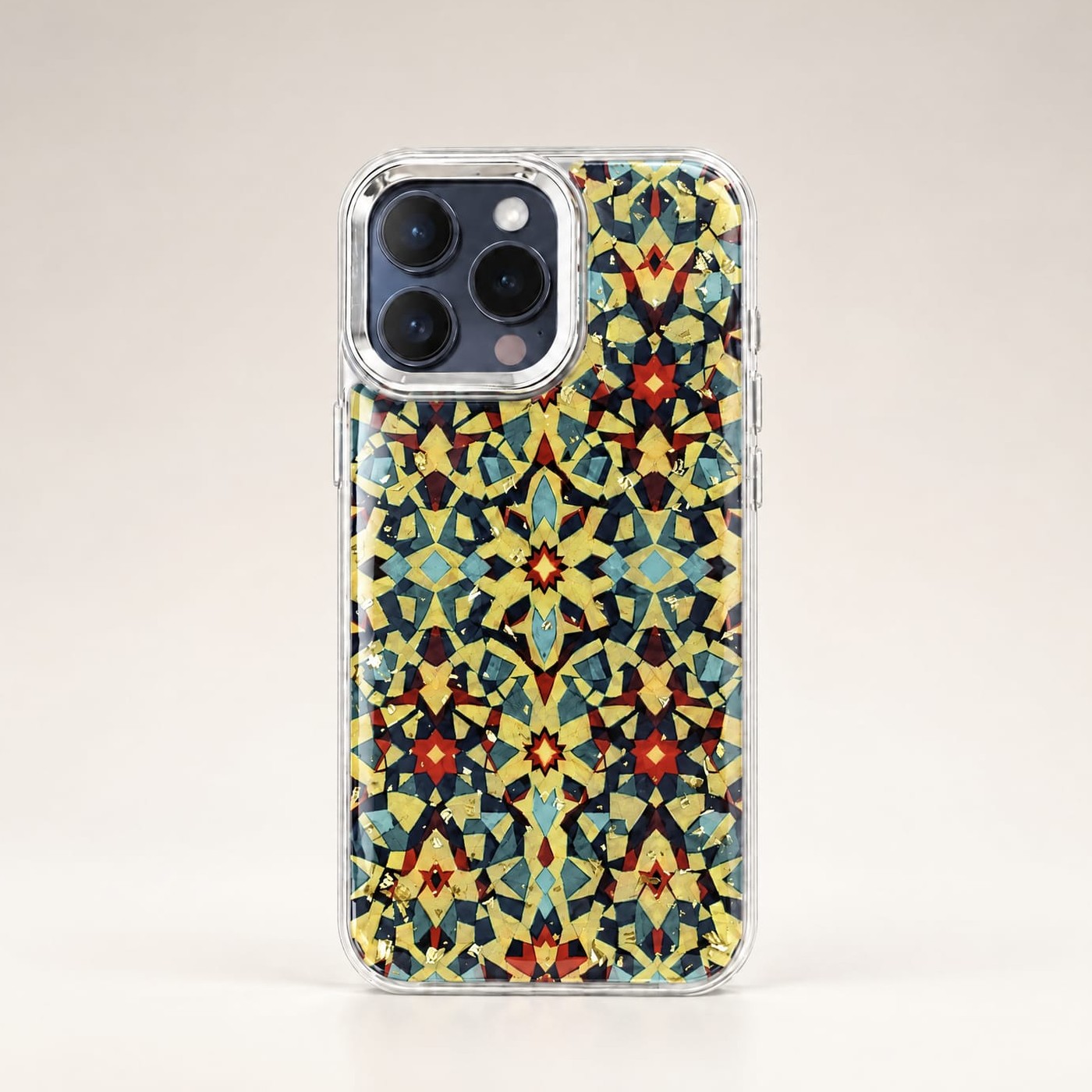
A specific Nasrid-dynasty tessellation from the Alhambra's palace walls, rendered at full saturation — not a loose 'Moorish tile' approximation.
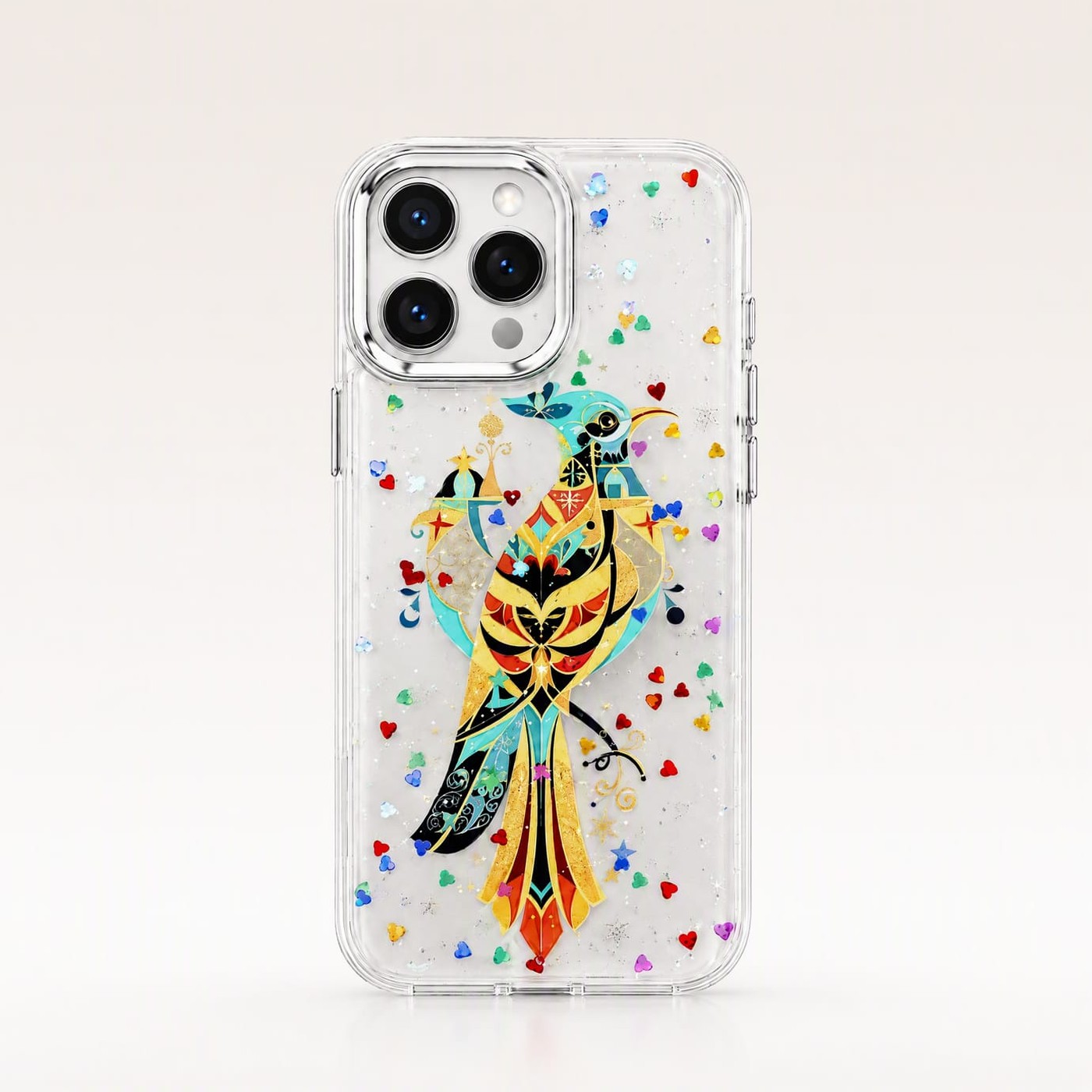
The Pajarita, one of the Alhambra's most-reused decorative icons — still hand-painted onto shop signs in villages around Granada, not an invented 'bird logo'.
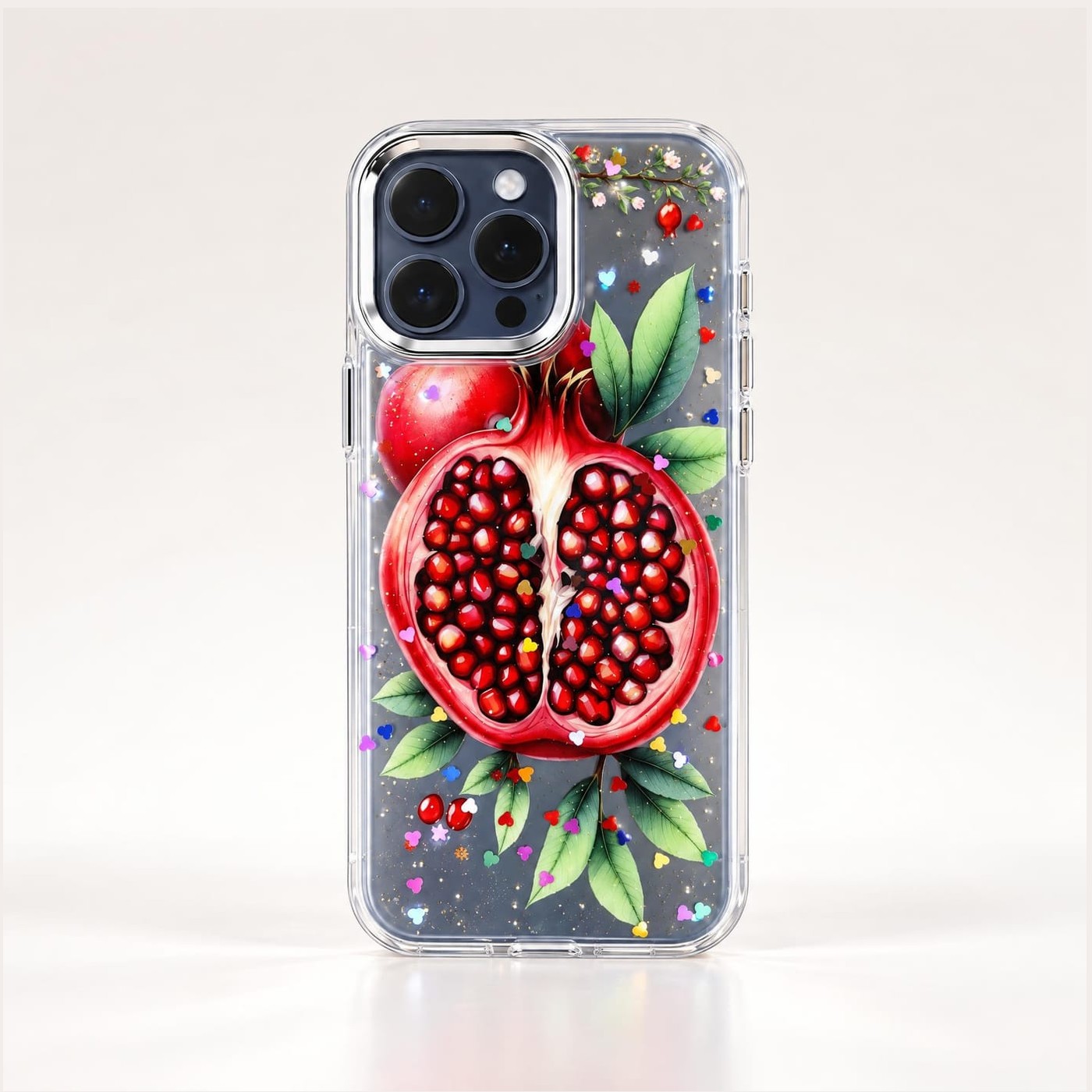
The literal namesake fruit of Granada, still the city's official emblem — a specific civic symbol, not a generic fruit-and-flower print.
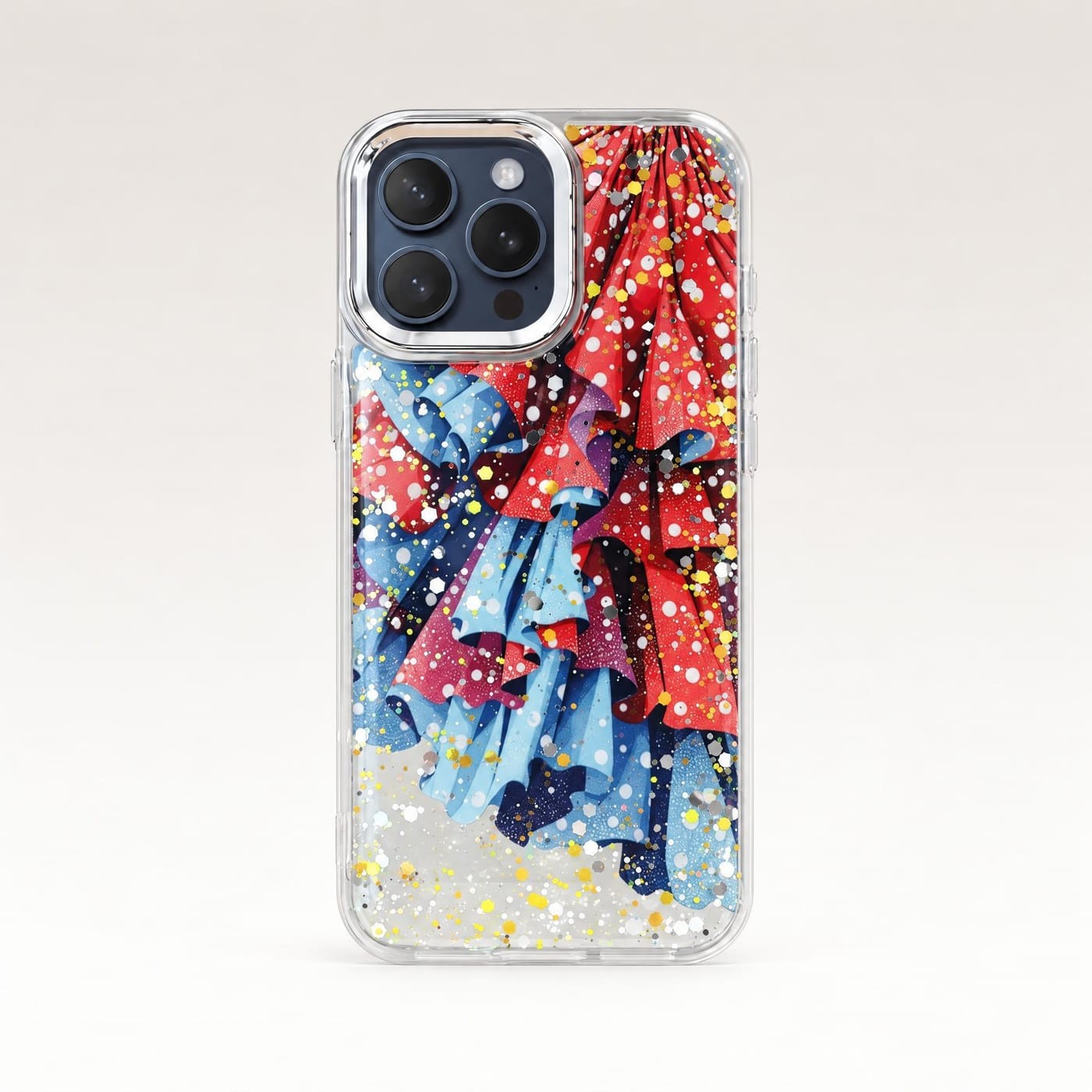
The dress itself, not a dancer — the ruffled 'Lunares' silhouette rendered as a standalone garment, with glitter shaped to match its own polka dots.
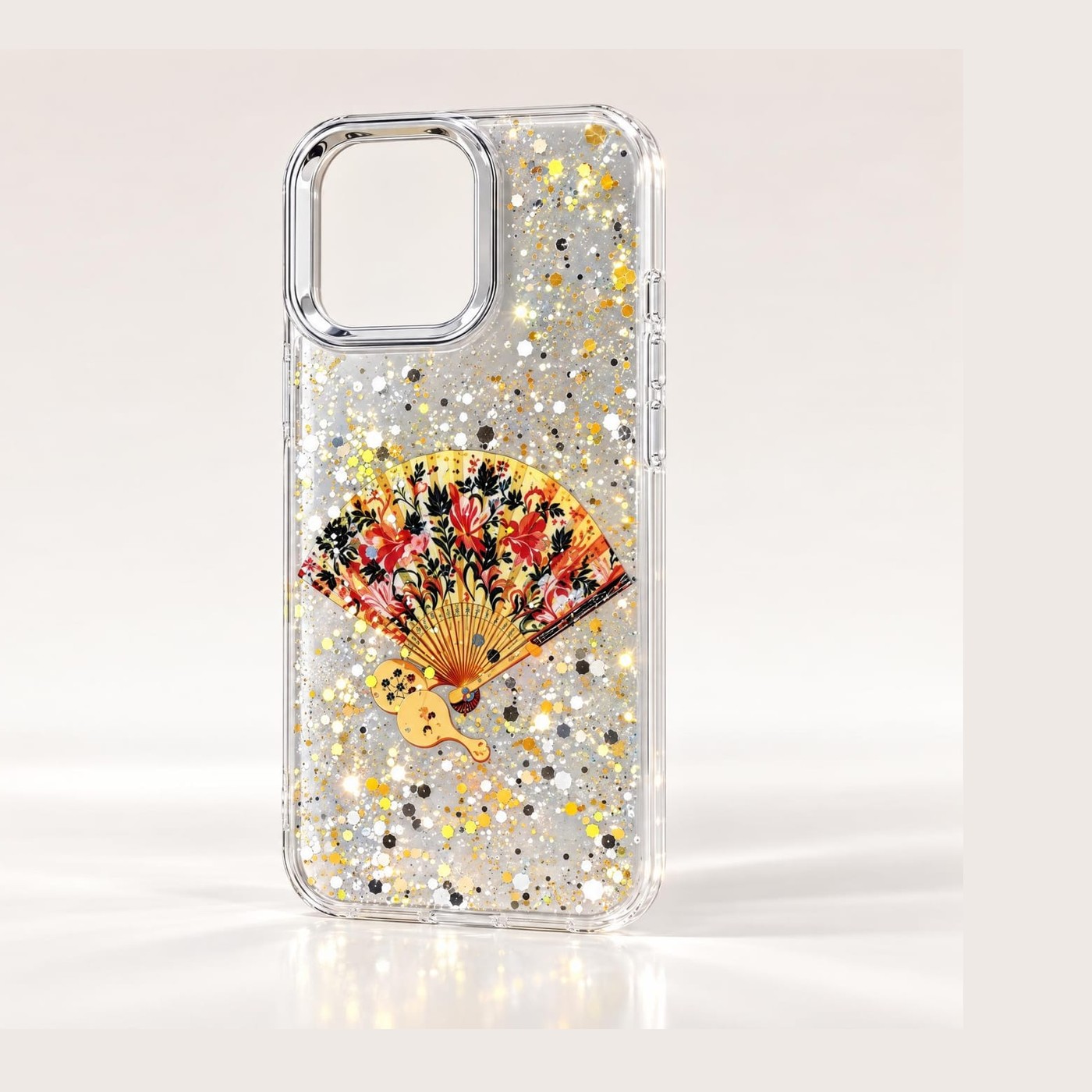
The fan (Abanico) and castanets (Castañuelas) as objects in their own right — the hand-crafted tools of flamenco performance, not a person holding them.
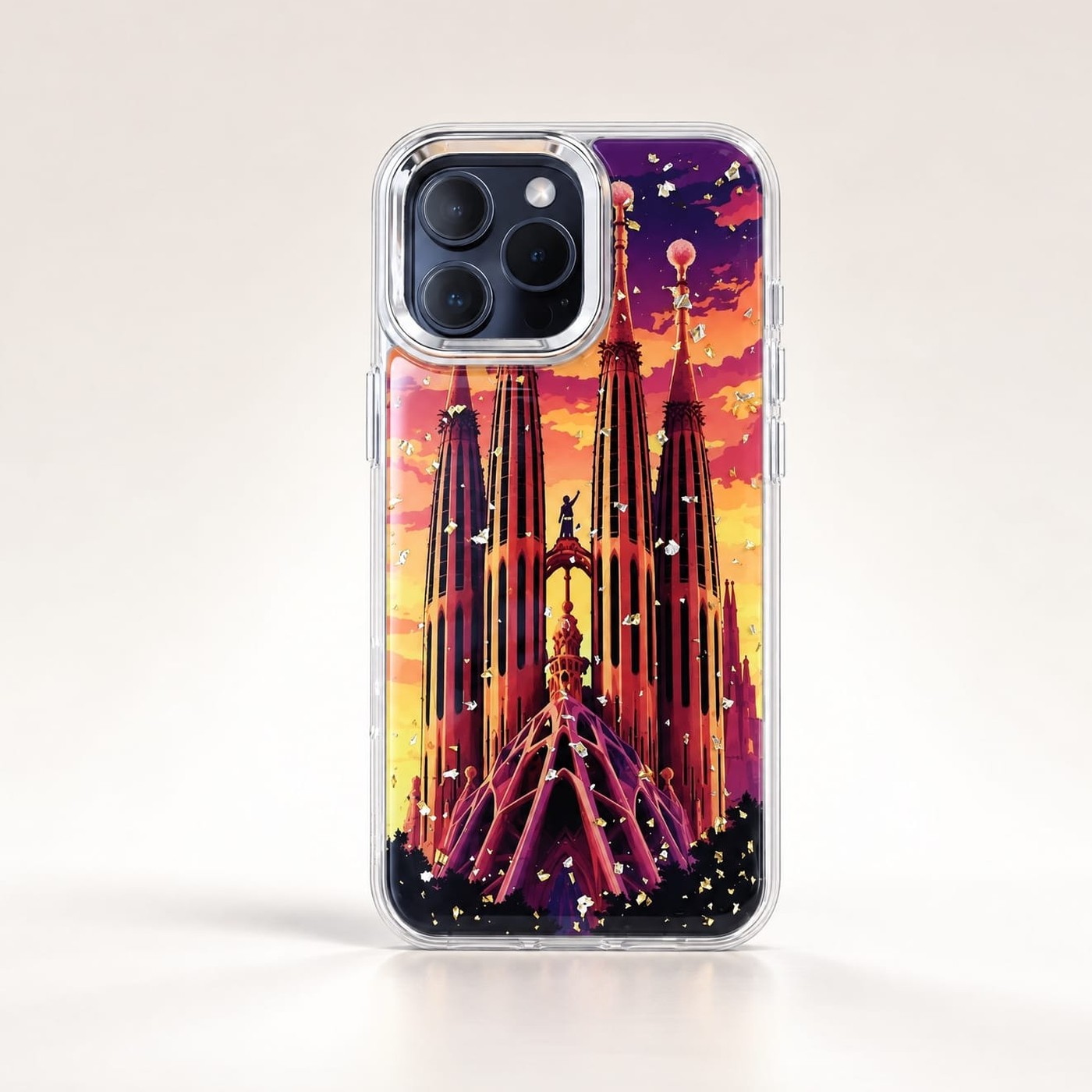
Gaudí's organic spire silhouettes against a real Barcelona sunset — a specific unfinished landmark, not a generic 'cathedral' skyline.
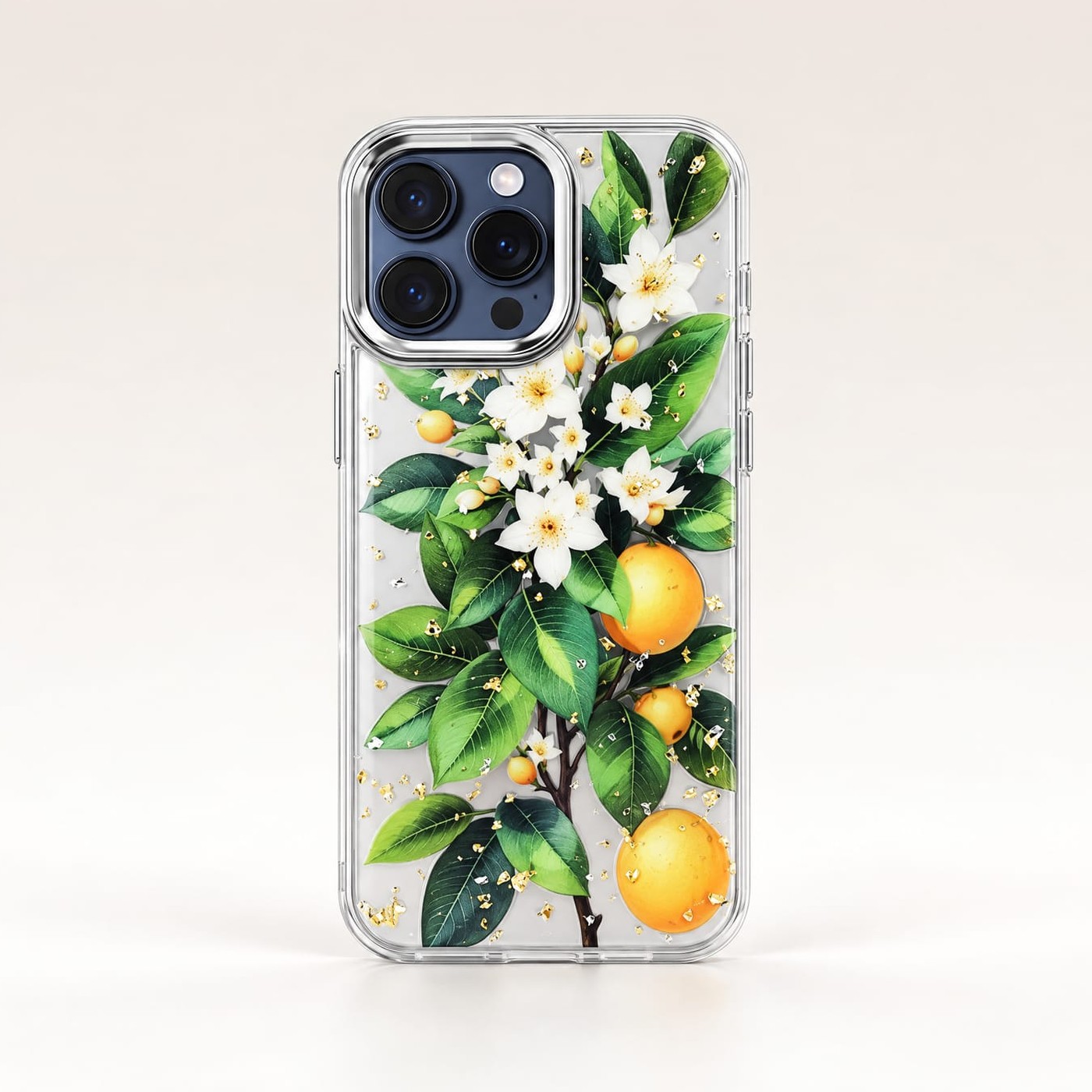
Azahar, the specific orange blossom that lines Seville's old-town streets every spring — a scent-and-sight memory tied to one city, not a generic citrus print.
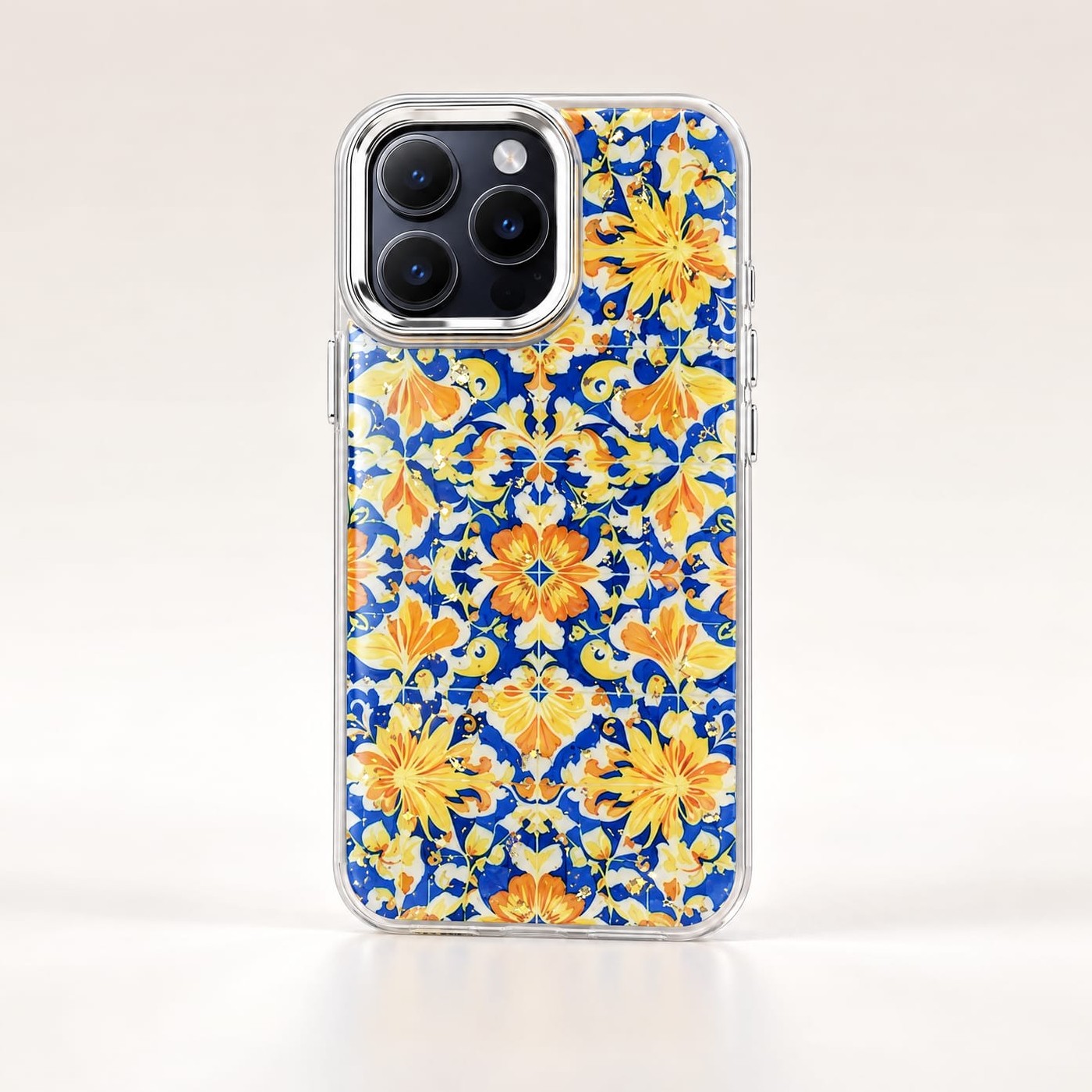
A genuine Mudéjar glazed-tile pattern, the material language of Seville's architecture — not a loose 'Spanish tile' approximation.
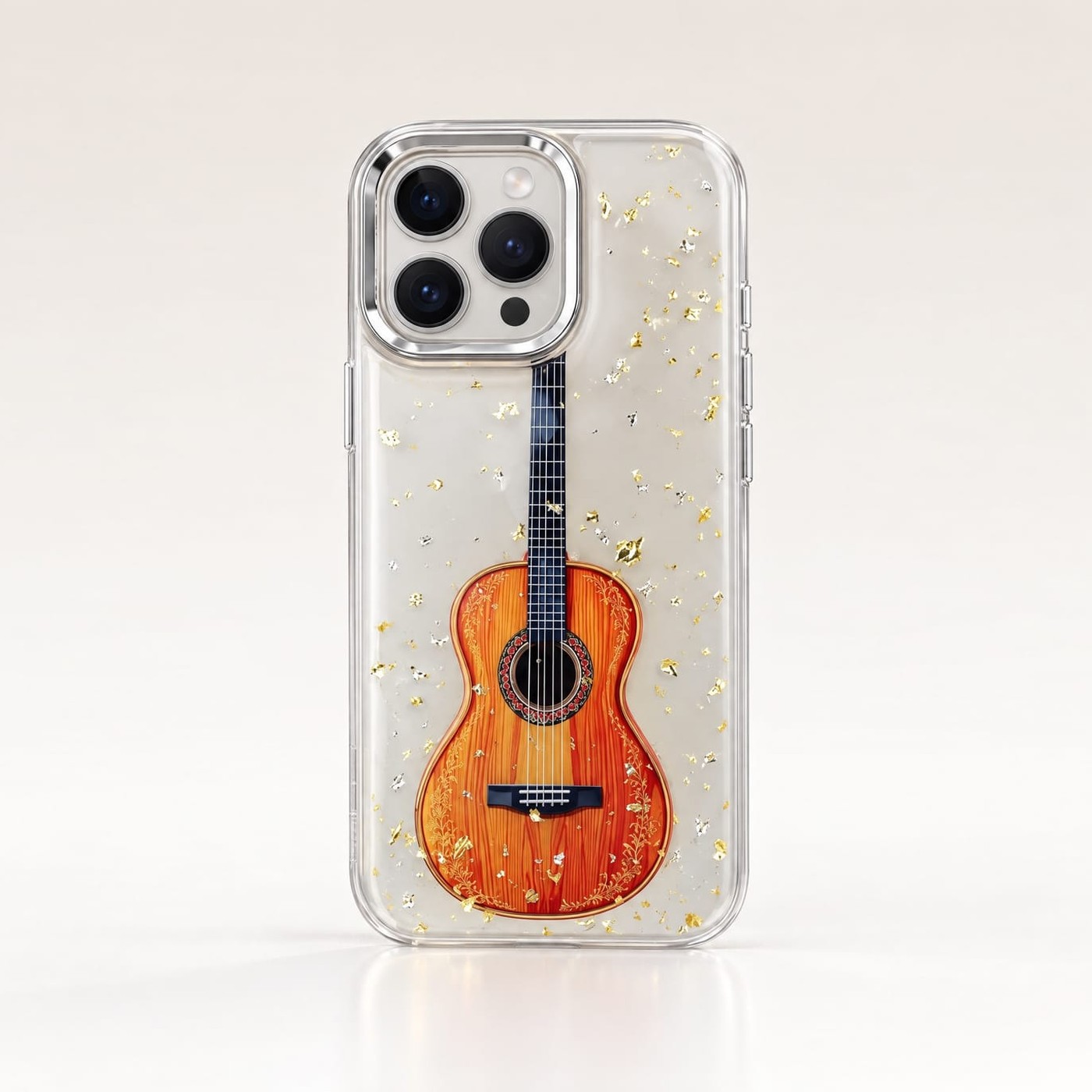
The guitar itself, running the full length of the shell from headstock to body — the soul instrument of flamenco, not a person playing it.
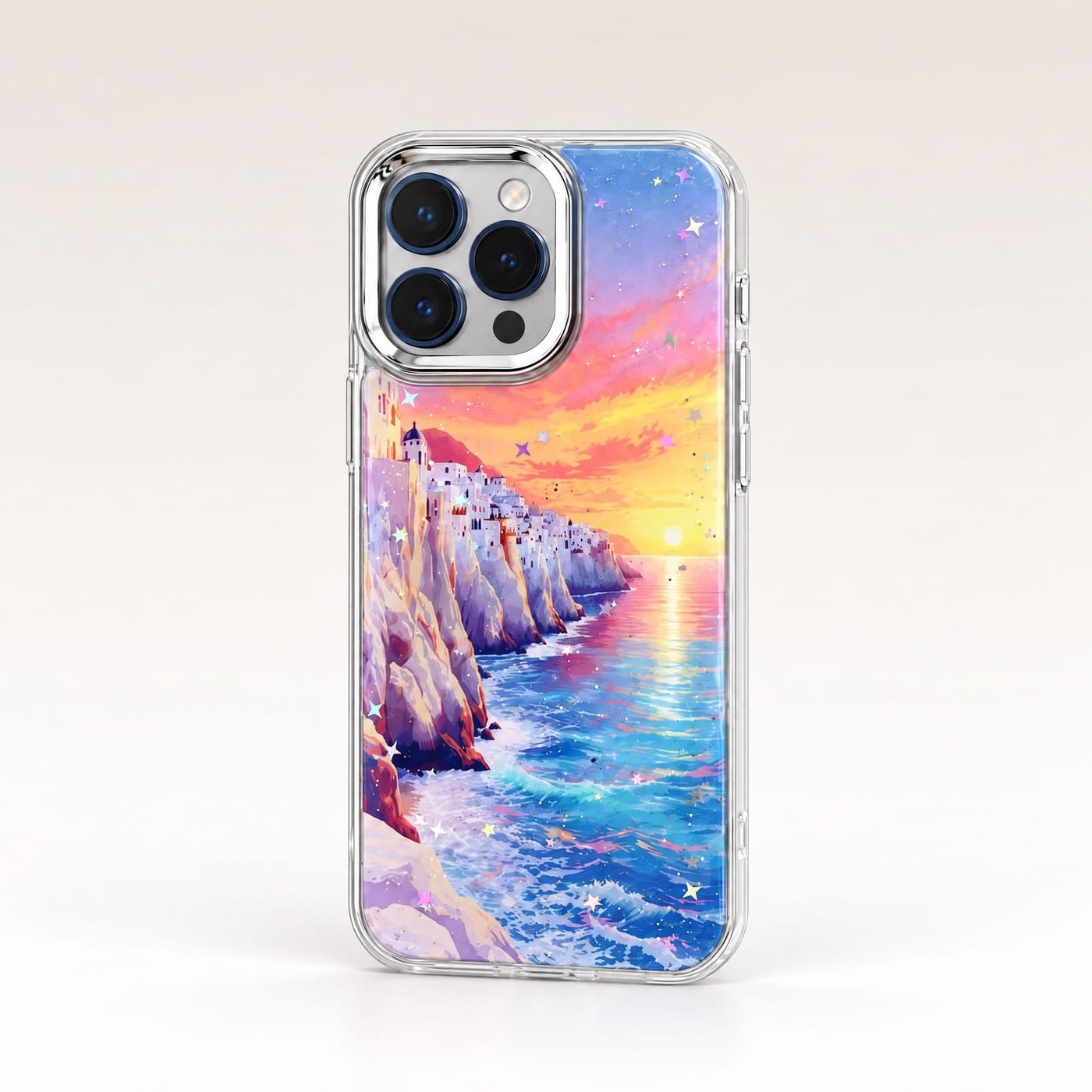
Spain's 8,000km Mediterranean coastline and its unhurried way of life, painted as a full sunset scene rather than a single beach icon.
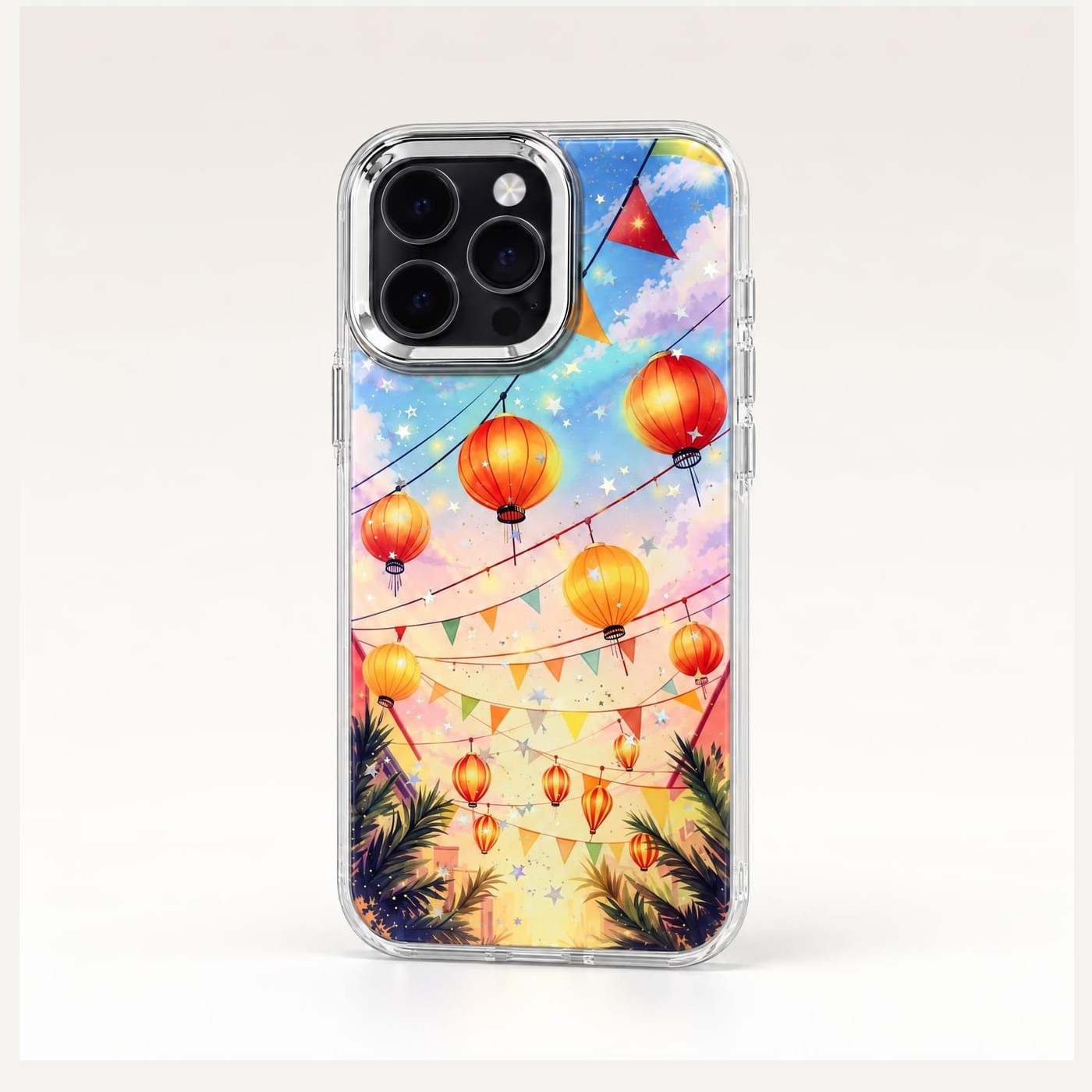
Seville's Feria de Abril specifically — the paper lanterns and bunting of Andalusia's grandest spring festival, not a generic 'fiesta' scene.
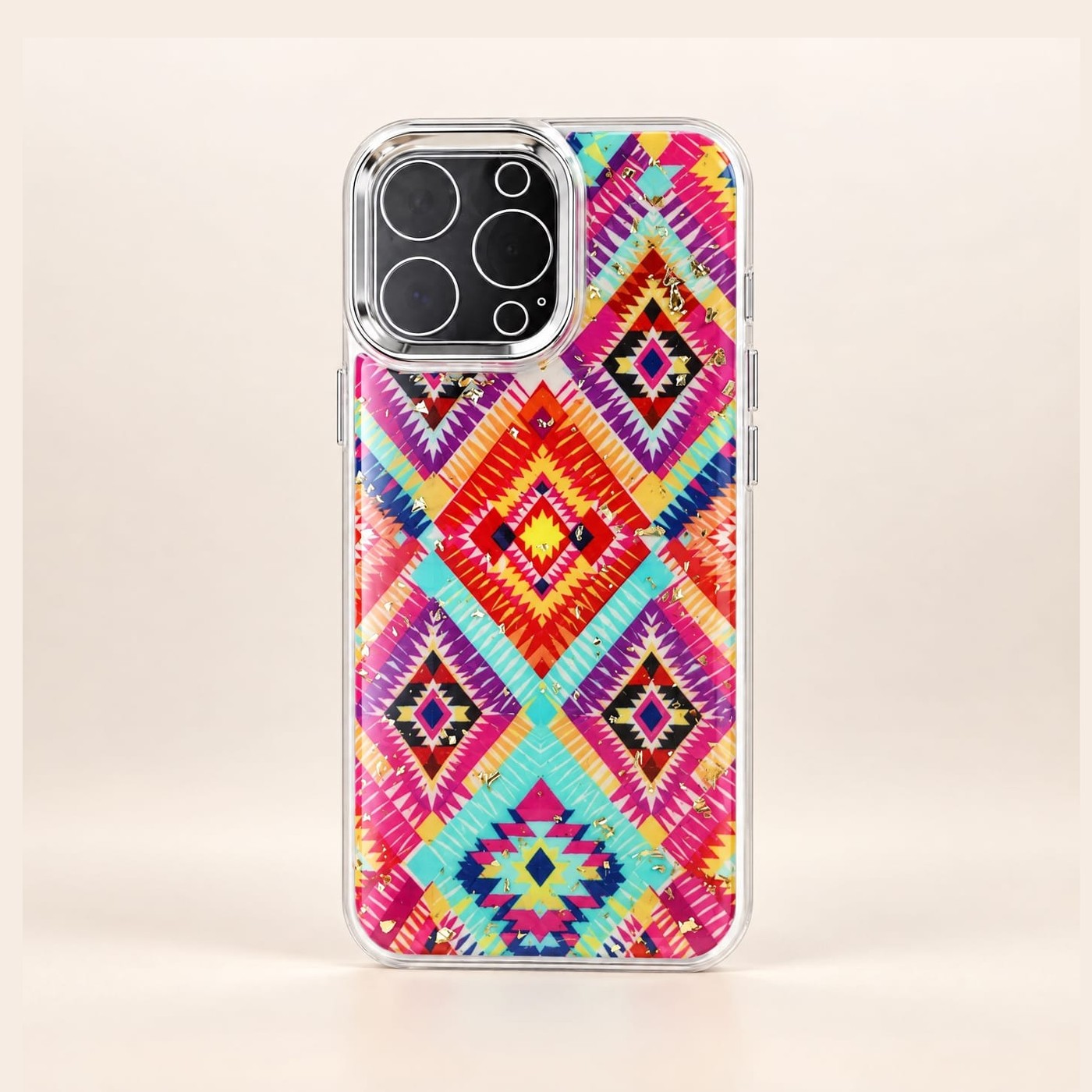
A real Wayuu kanás weaving motif, each diamond and zigzag carrying its own meaning — not a generic 'tribal pattern' placeholder.
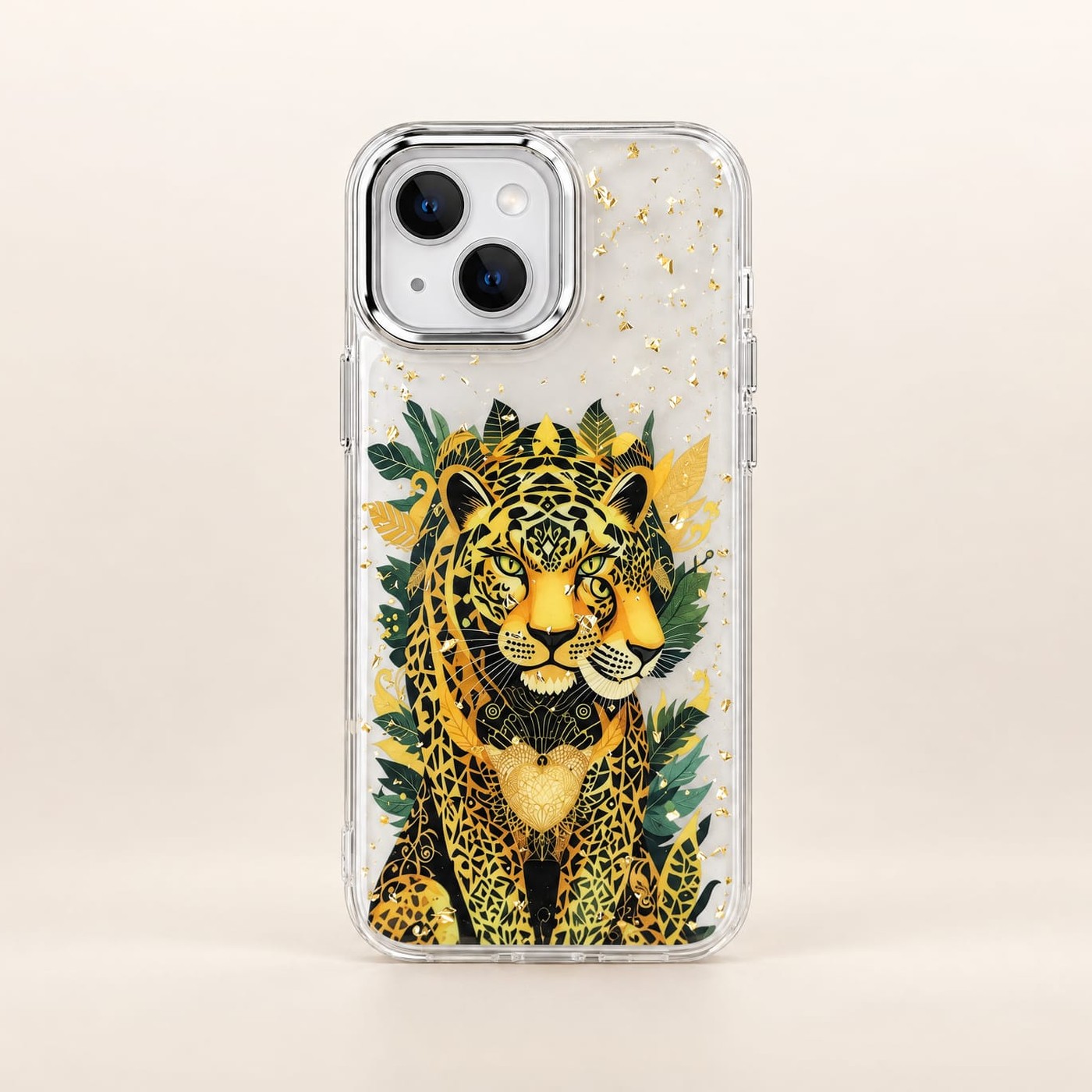
A specific pre-Columbian Zenú goldwork jaguar — the Gold Museum's signature motif — not a generic 'jungle cat' illustration.
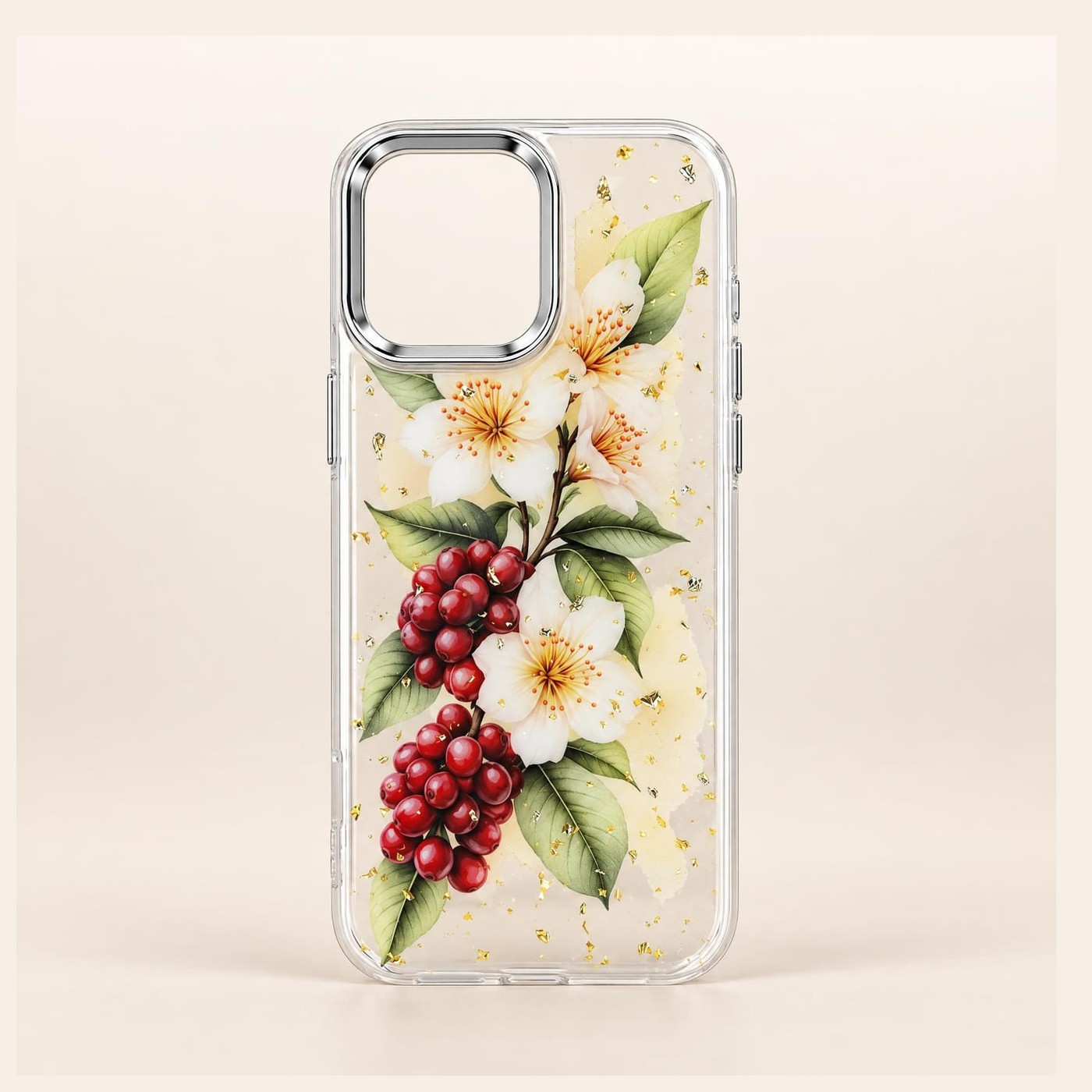
A real coffee-blossom motif drawn from Colombia's 2026 Colombiamoda coffee-themed fashion line — not a generic tropical-fruit print.
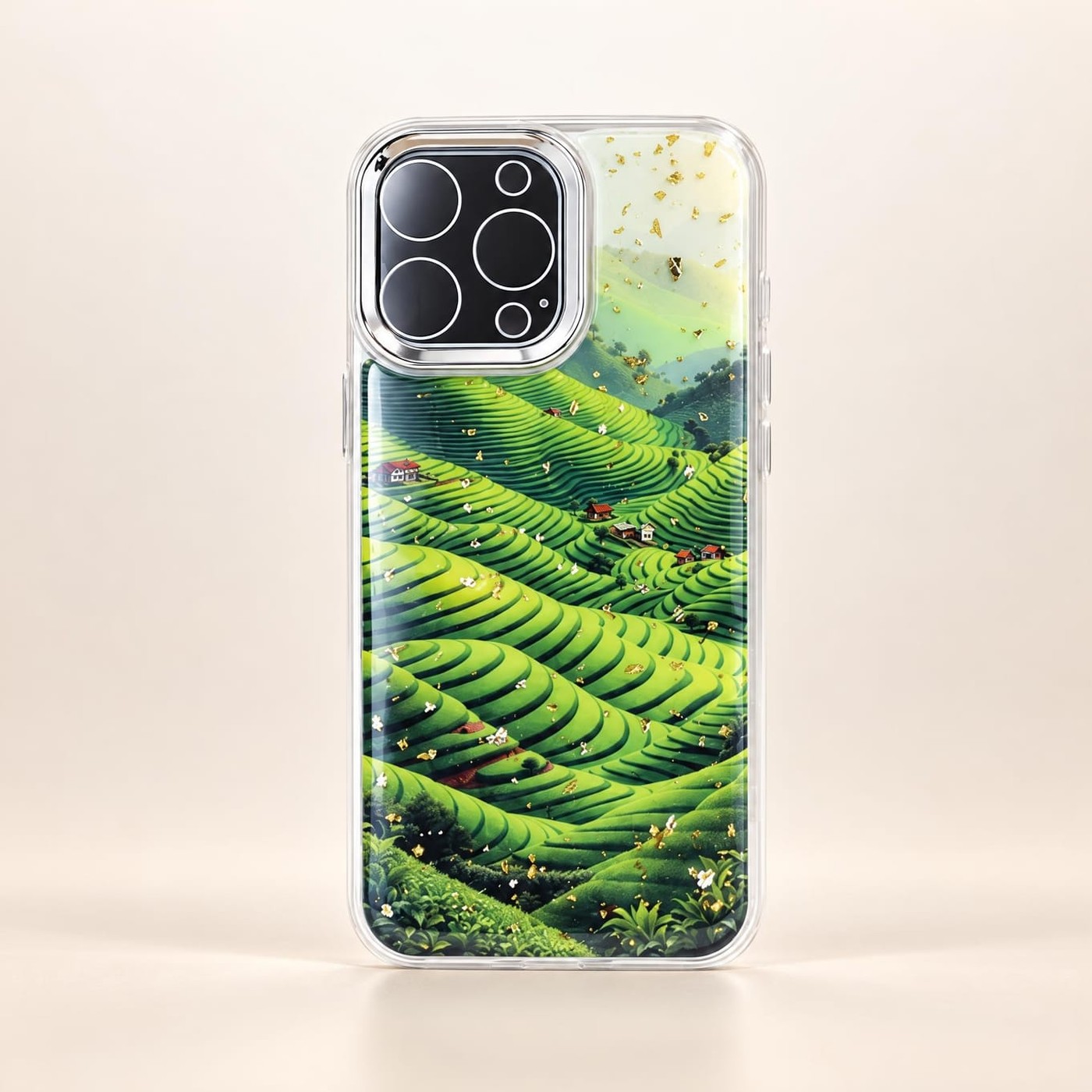
A real terraced coffee landscape from Colombia's UNESCO-listed Eje Cafetero — not a generic green-hills stock illustration.
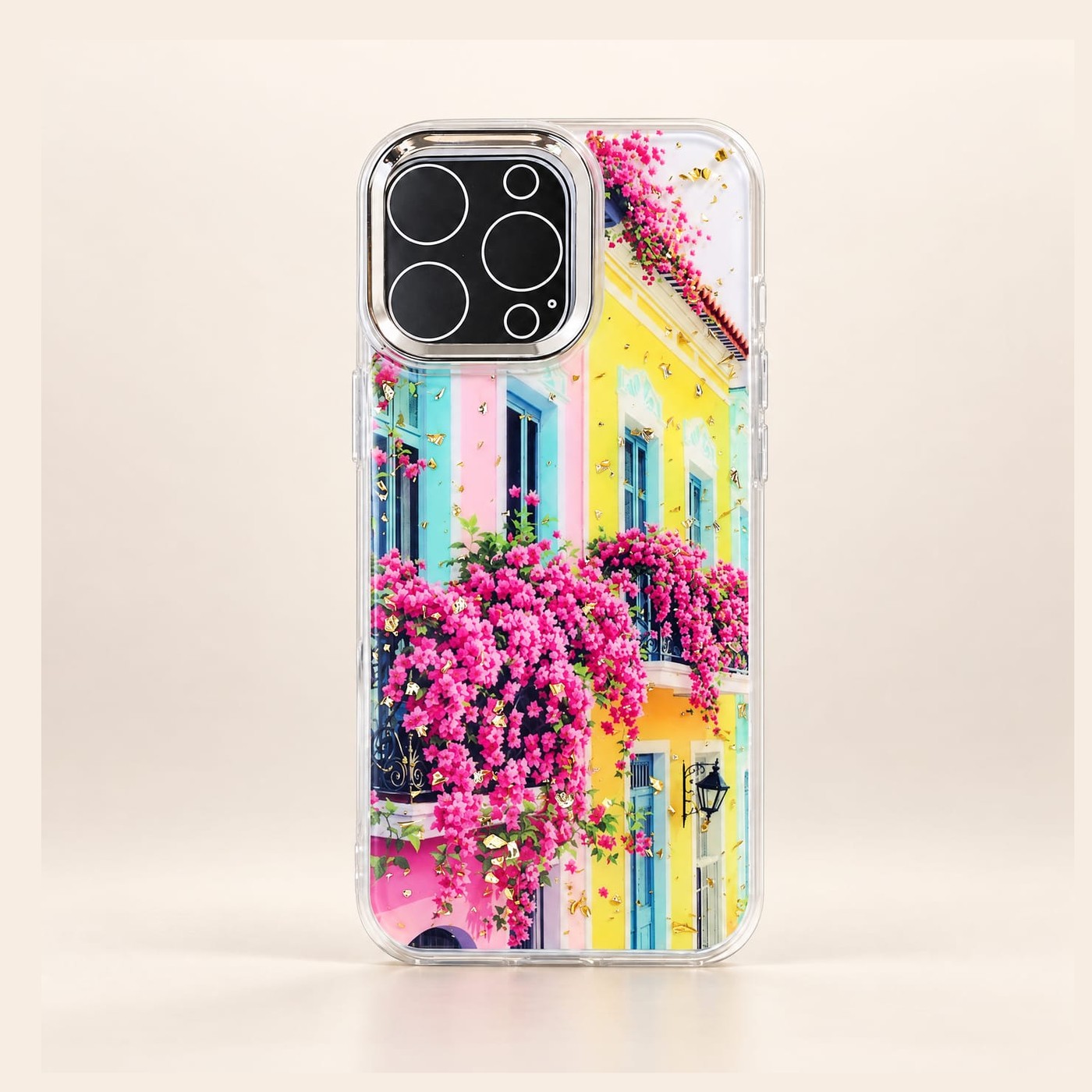
A real Cartagena old-town streetscape — UNESCO World Heritage balconies and ironwork — not a generic 'colourful houses' illustration.
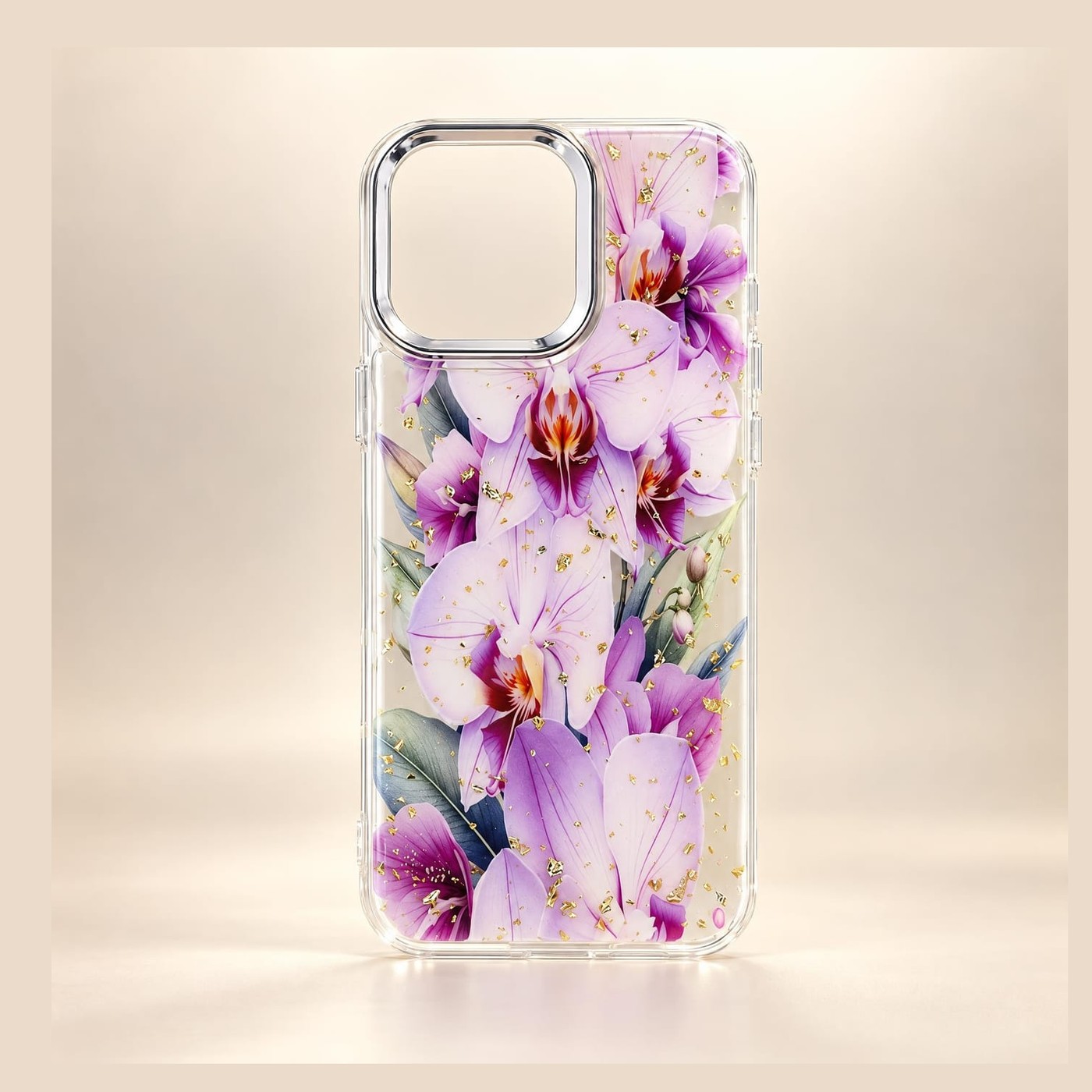
Colombia's national flower, home to the world's richest orchid biodiversity — not a generic 'tropical flower' print.
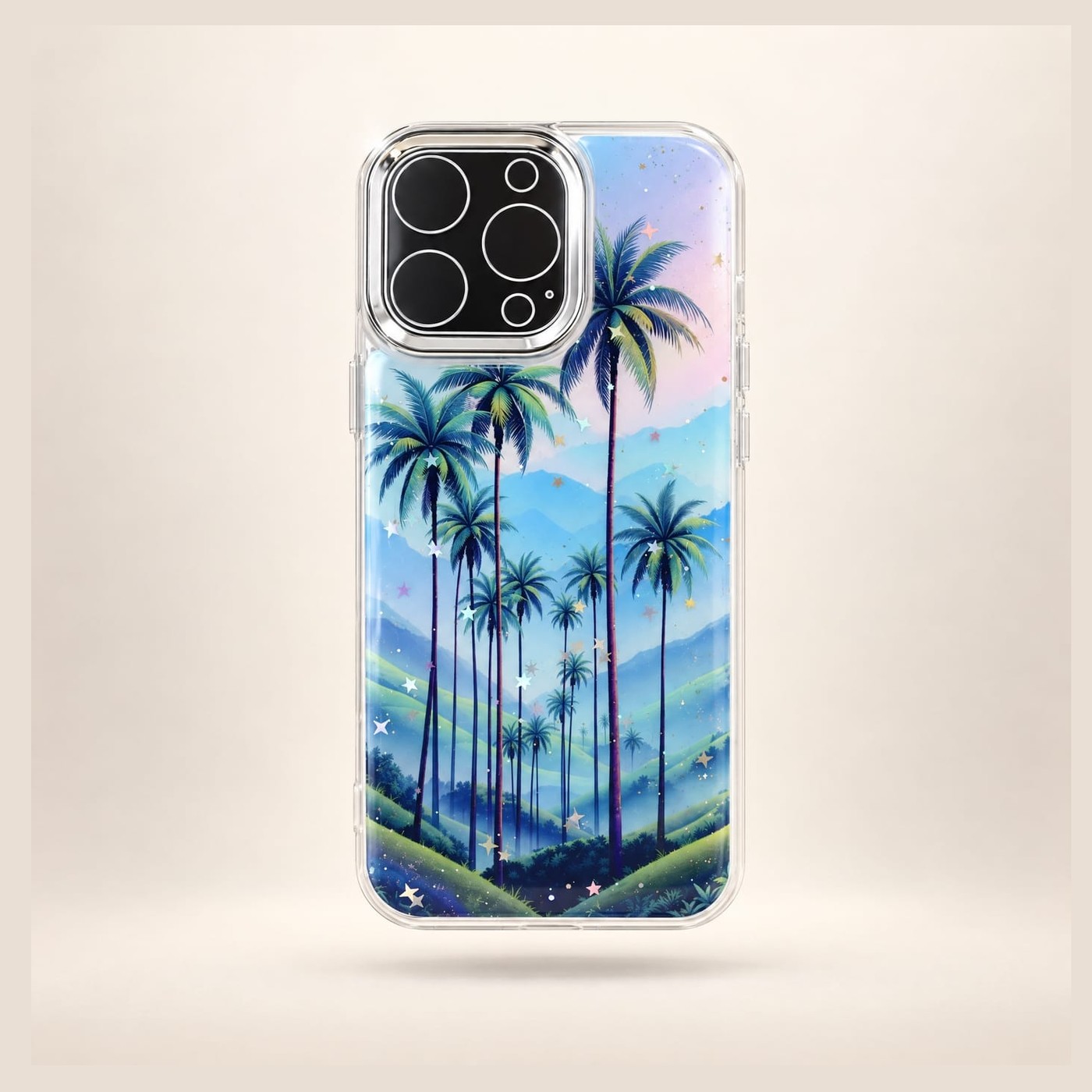
The Quindío wax palm — the world's tallest palm species and Colombia's national tree — not a generic palm-tree illustration.
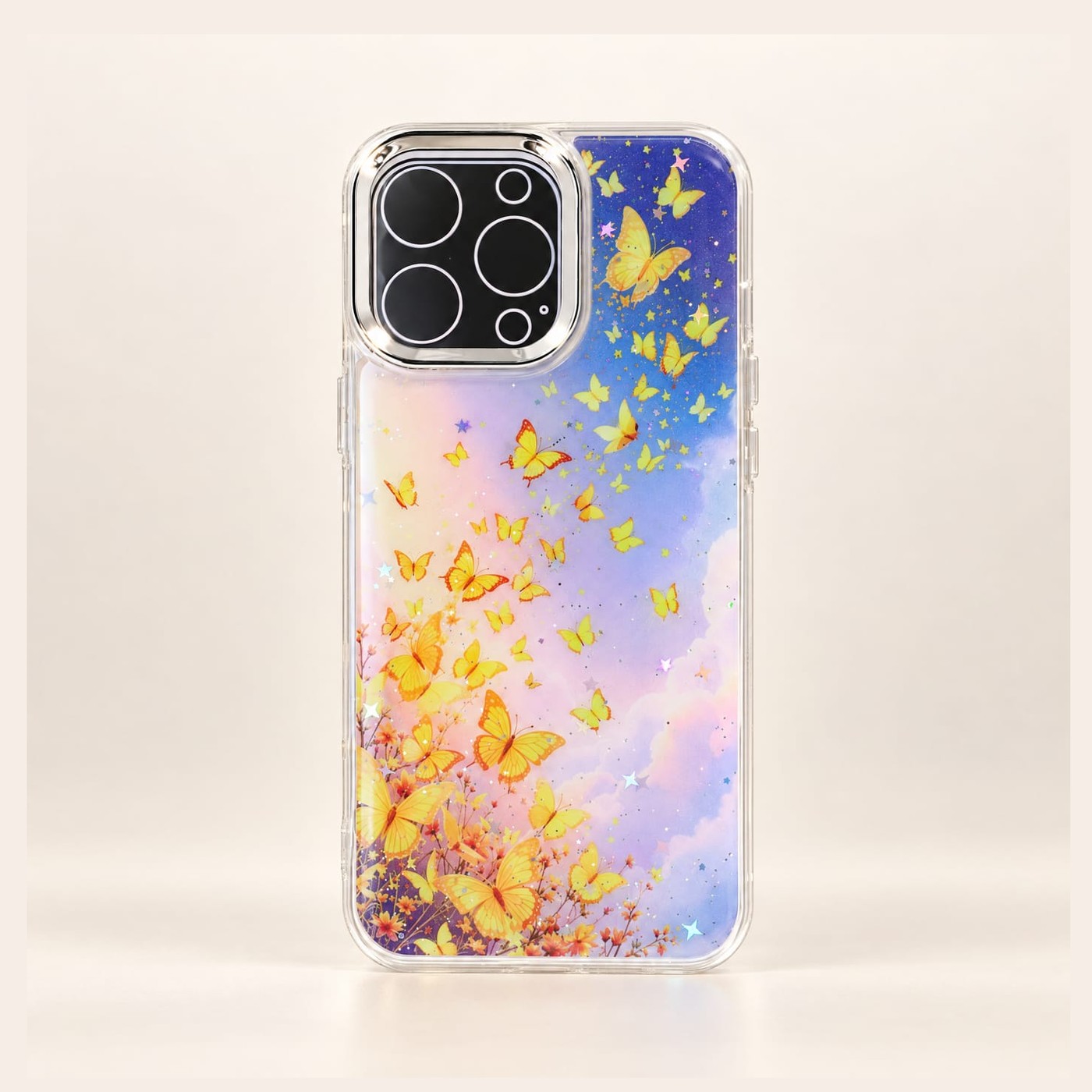
Gabriel García Márquez's signature magical-realism image from One Hundred Years of Solitude — not a generic 'butterfly print'.
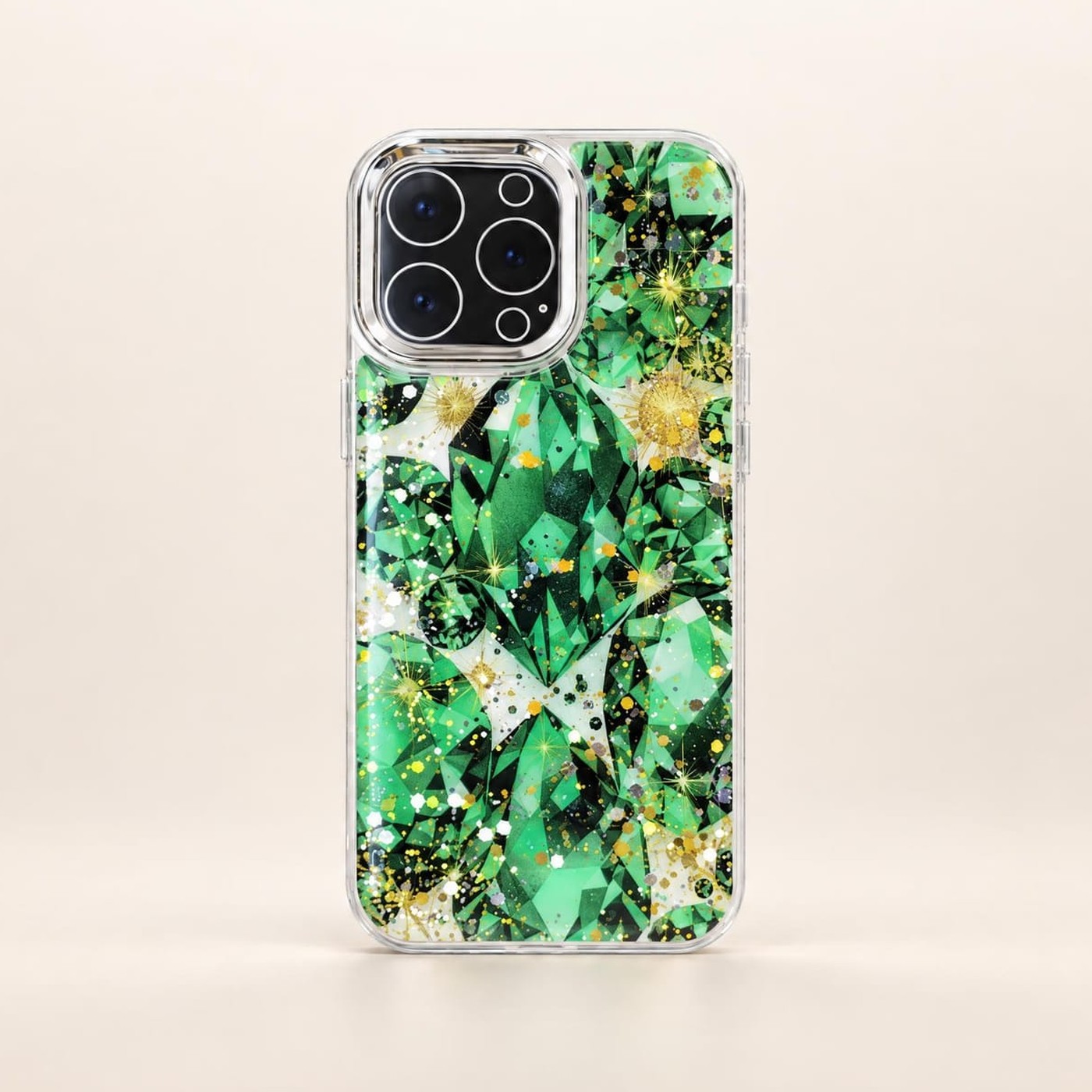
Colombia's signature natural treasure — the world's top emerald source — not a generic 'green gemstone' print.
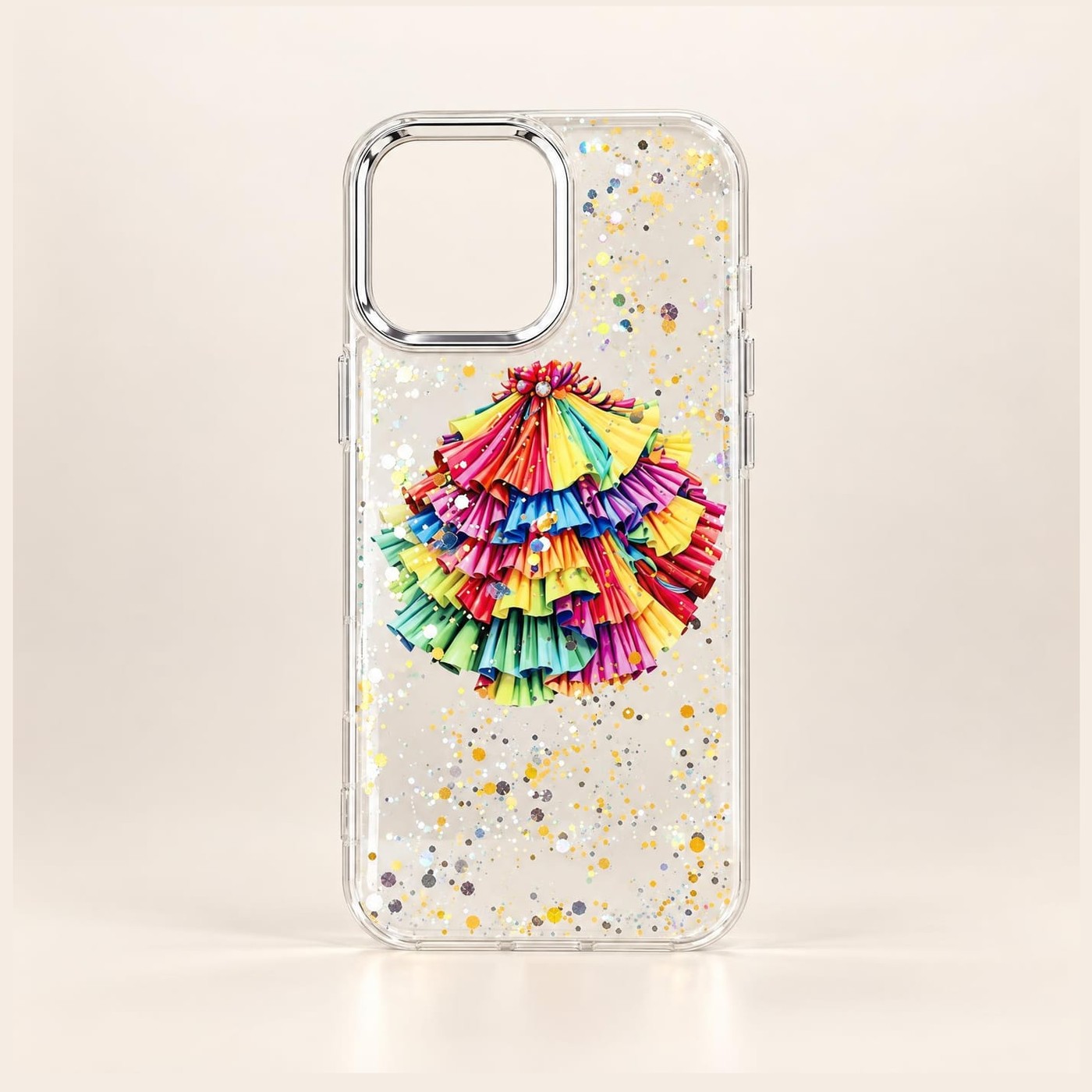
A ruffled costume from South America's second-largest carnival, a UNESCO Intangible Cultural Heritage — not a generic festival-confetti print.
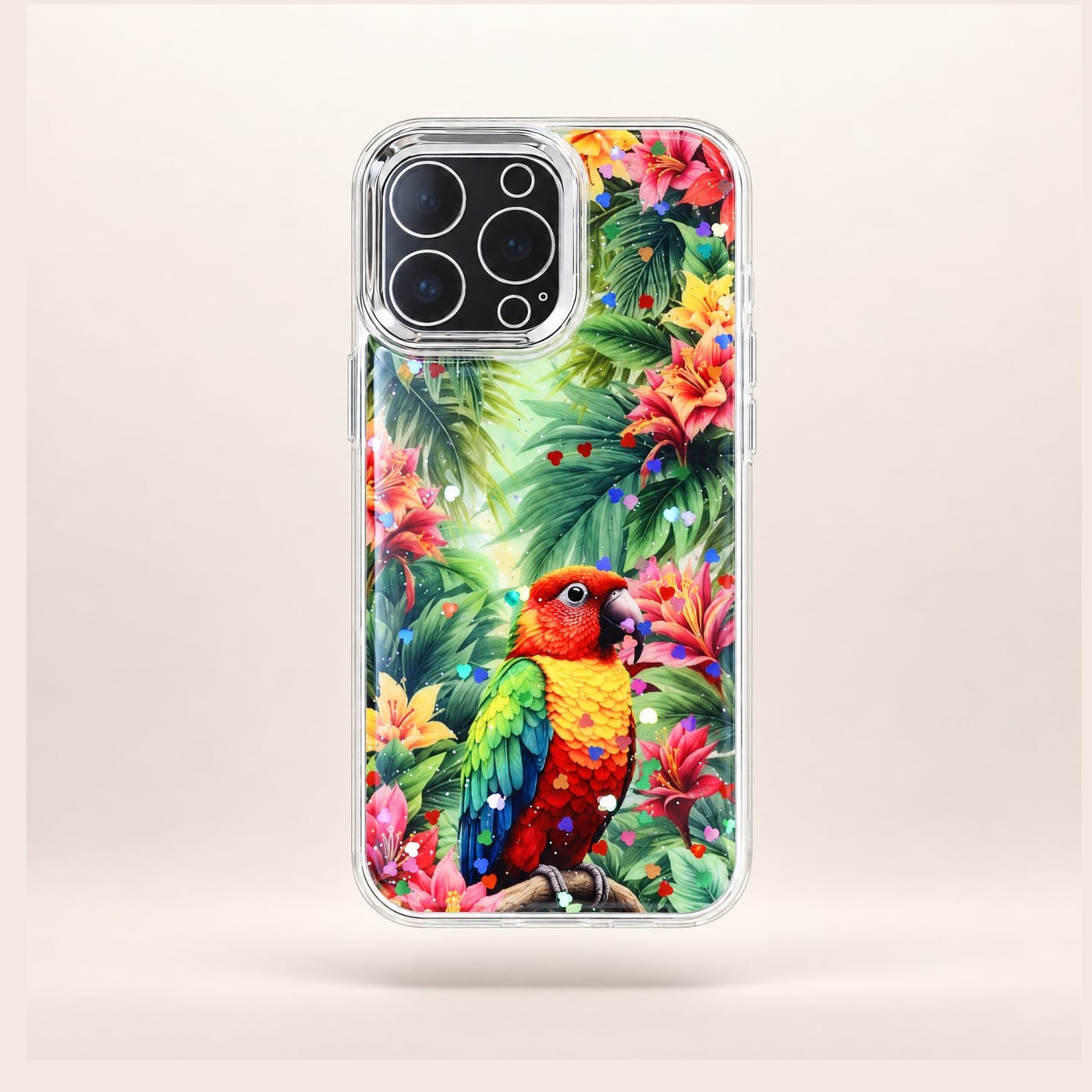
A real Colombian rainforest bird and bloom pairing — Colombia holds the world's richest bird biodiversity — not a generic parrot clip-art.
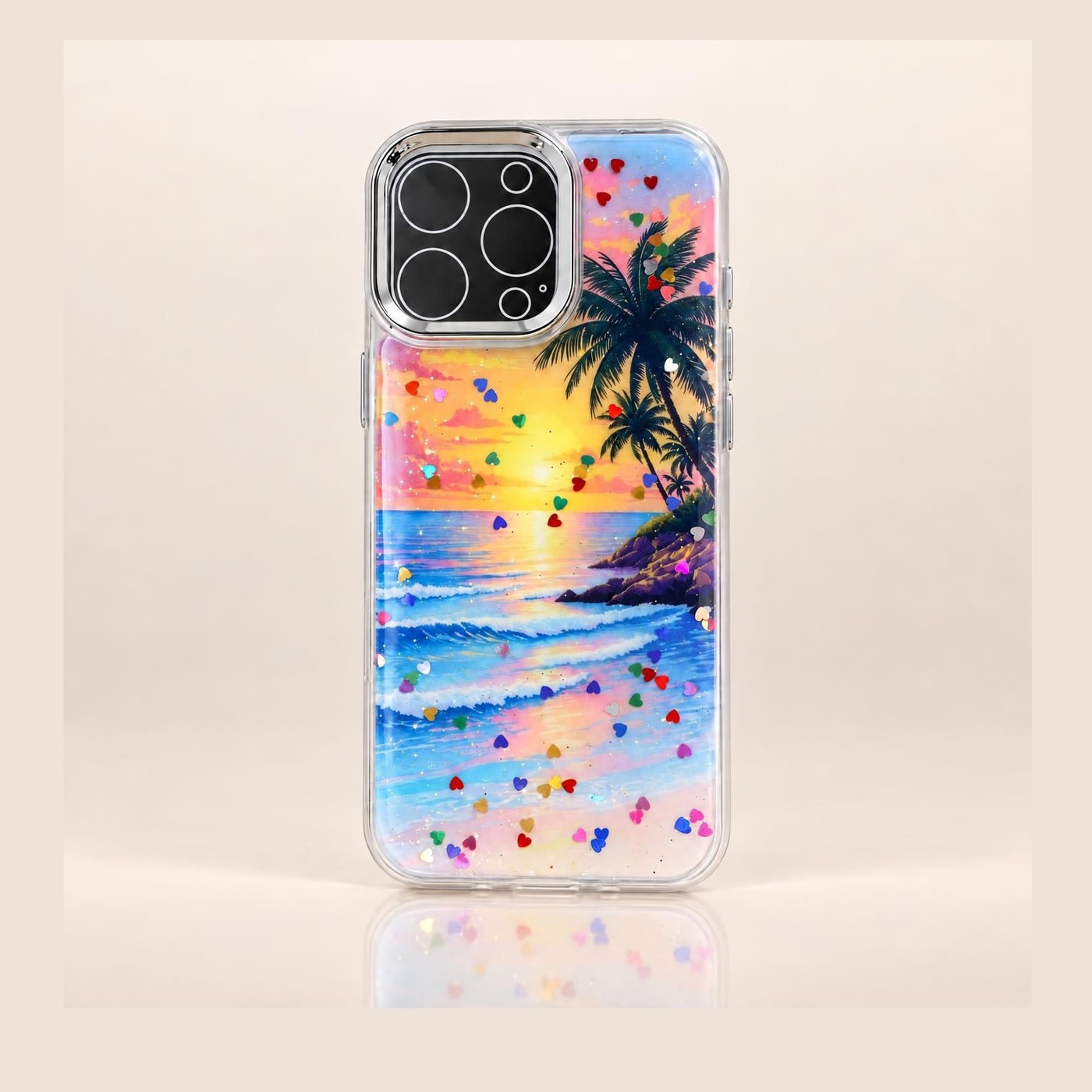
Colombia's dual-coastline sunset mood — Caribbean and Pacific — not a generic beach-vacation stock print.
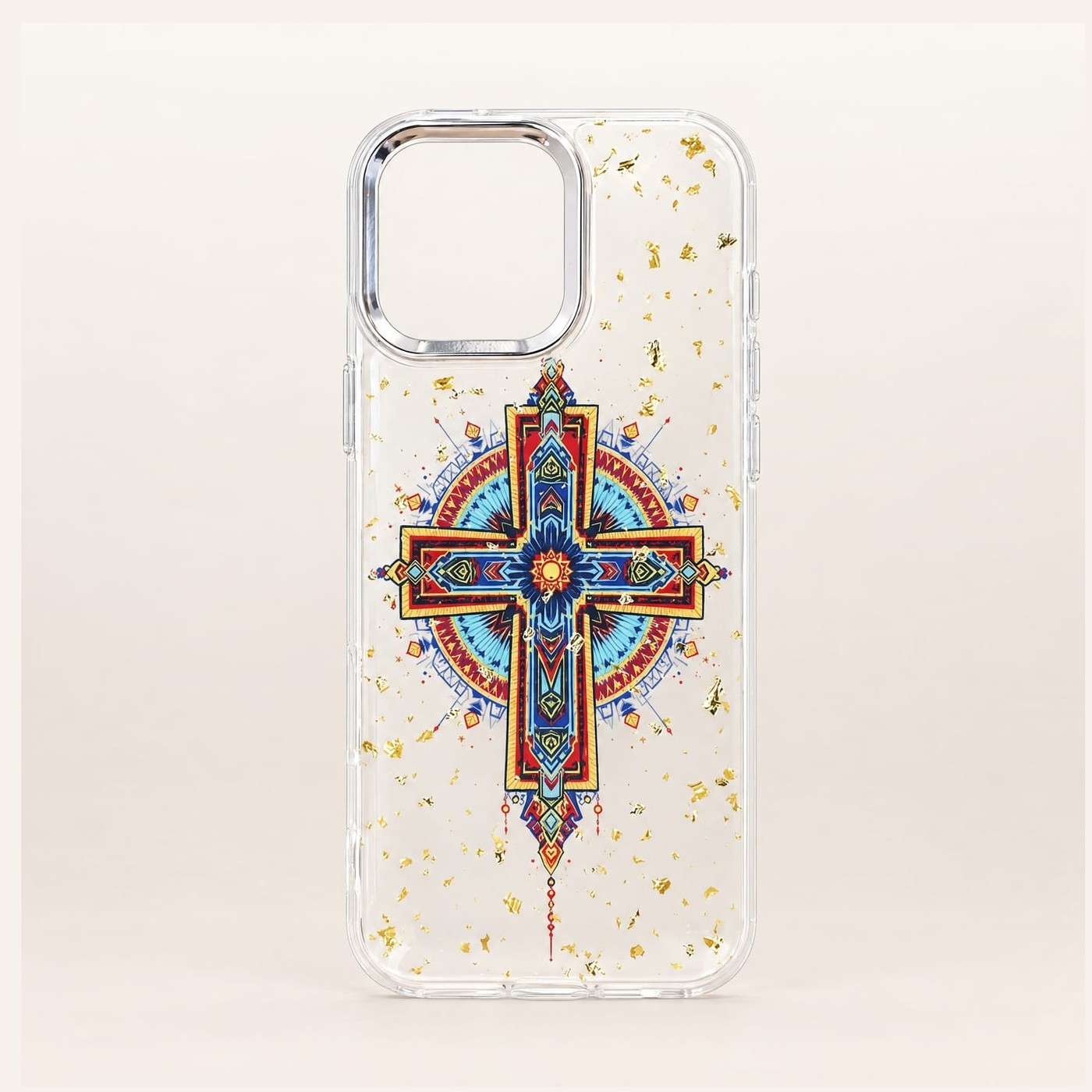
The core cosmological symbol of Andean civilization — not a generic 'tribal cross' placeholder.
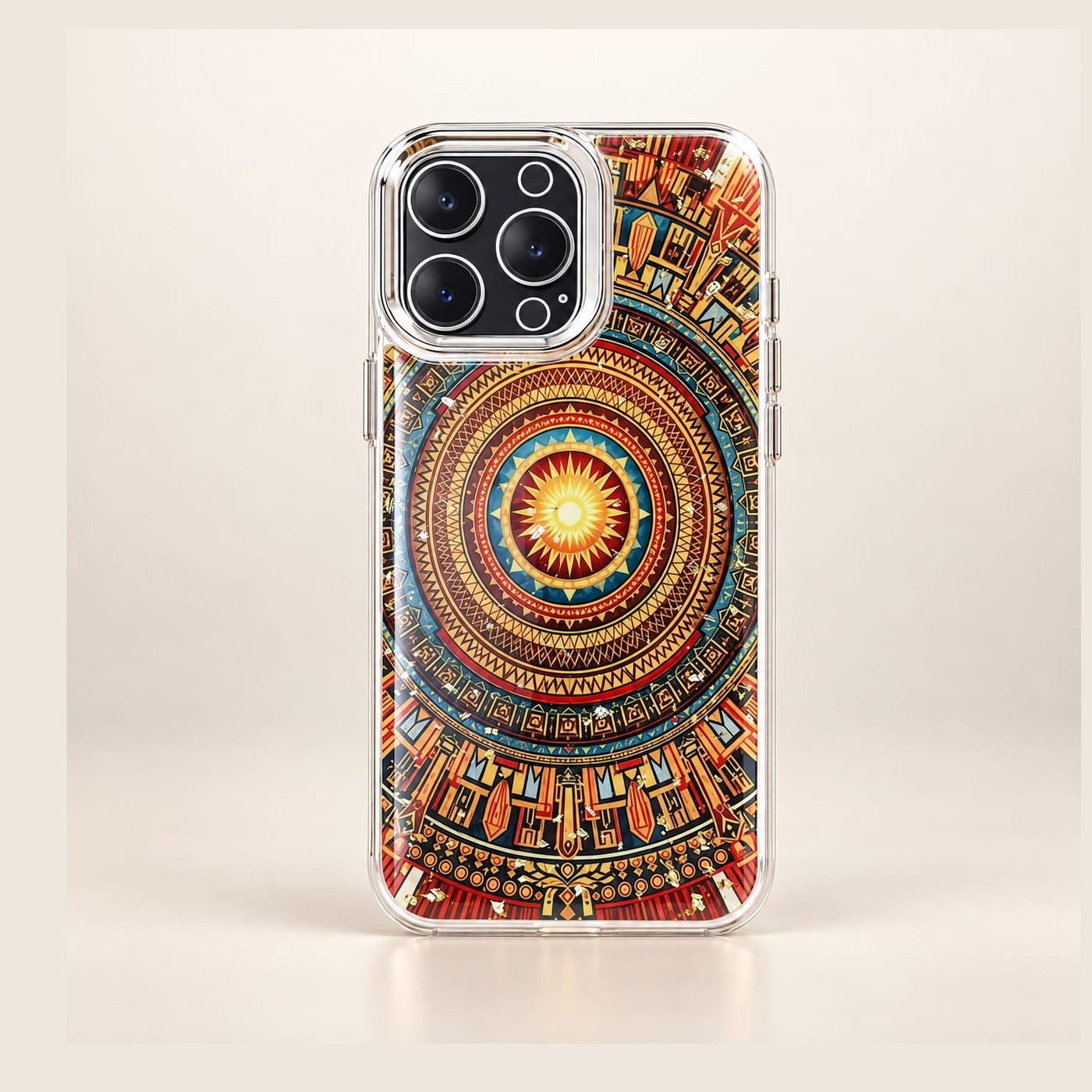
The core symbol of Inca sun worship — not a generic 'sun mandala' placeholder.
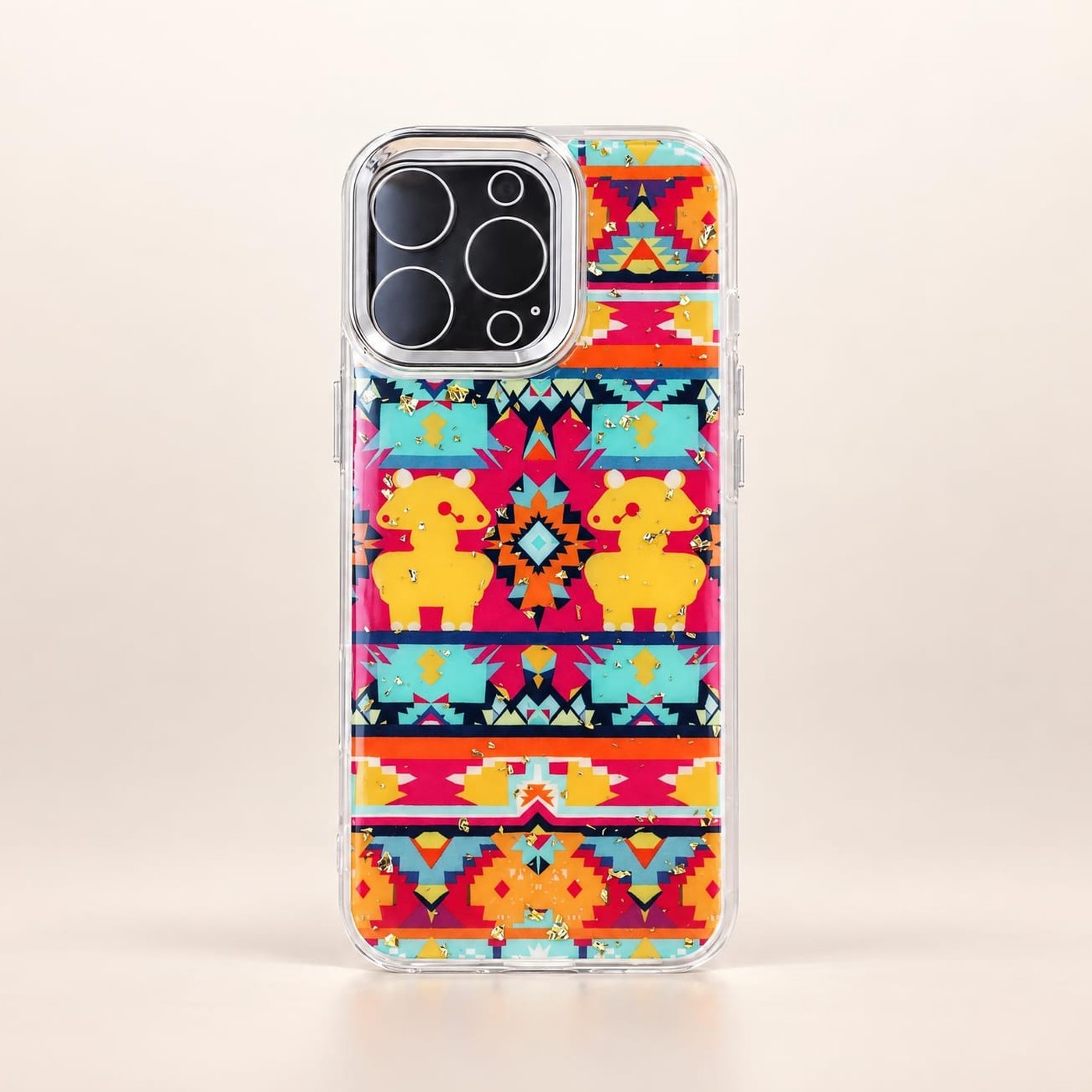
A real Pallay weaving motif from Andean textile tradition — not a generic 'Peruvian pattern' placeholder.
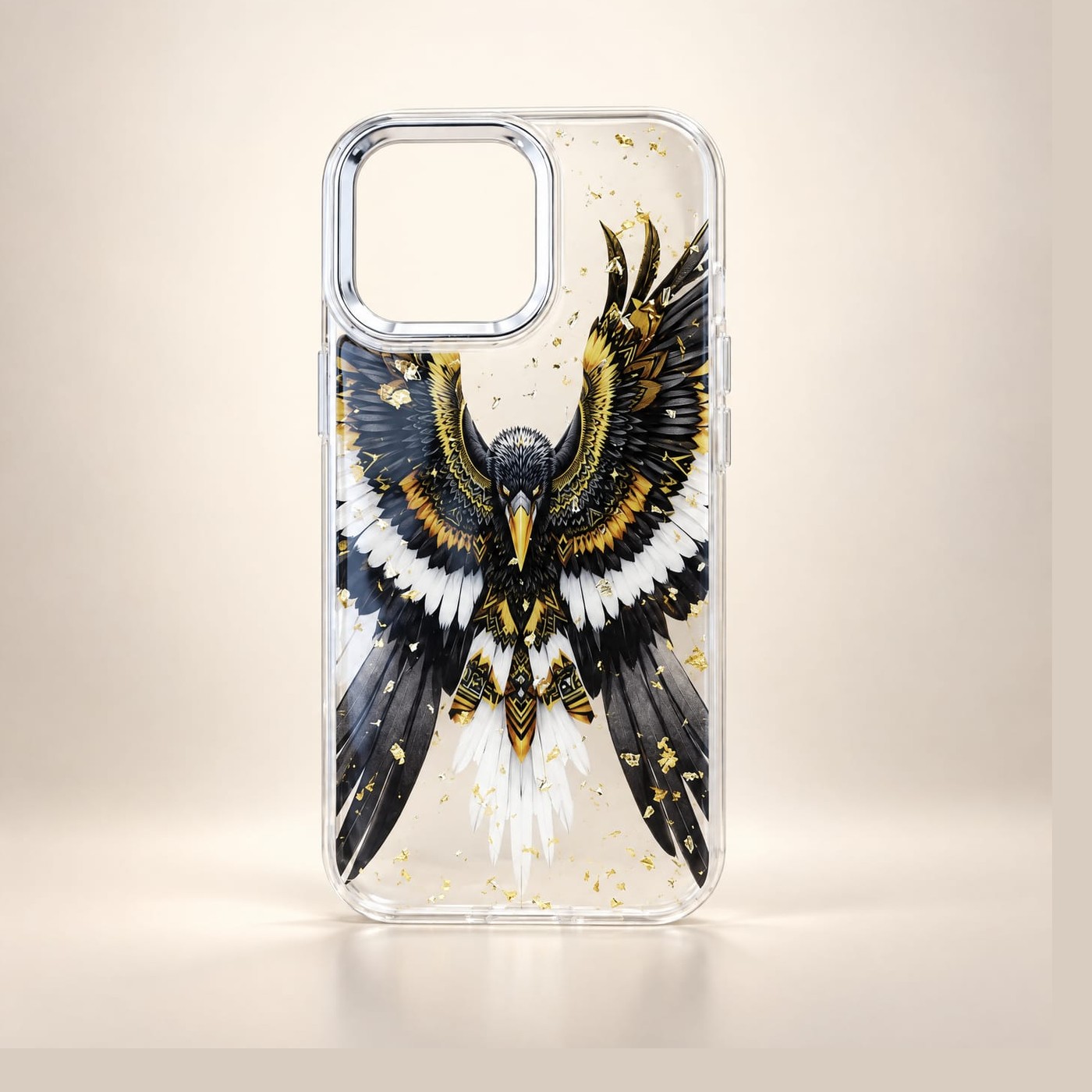
The sacred messenger of Andean cosmology's three-world animal system — not a generic 'eagle' placeholder.
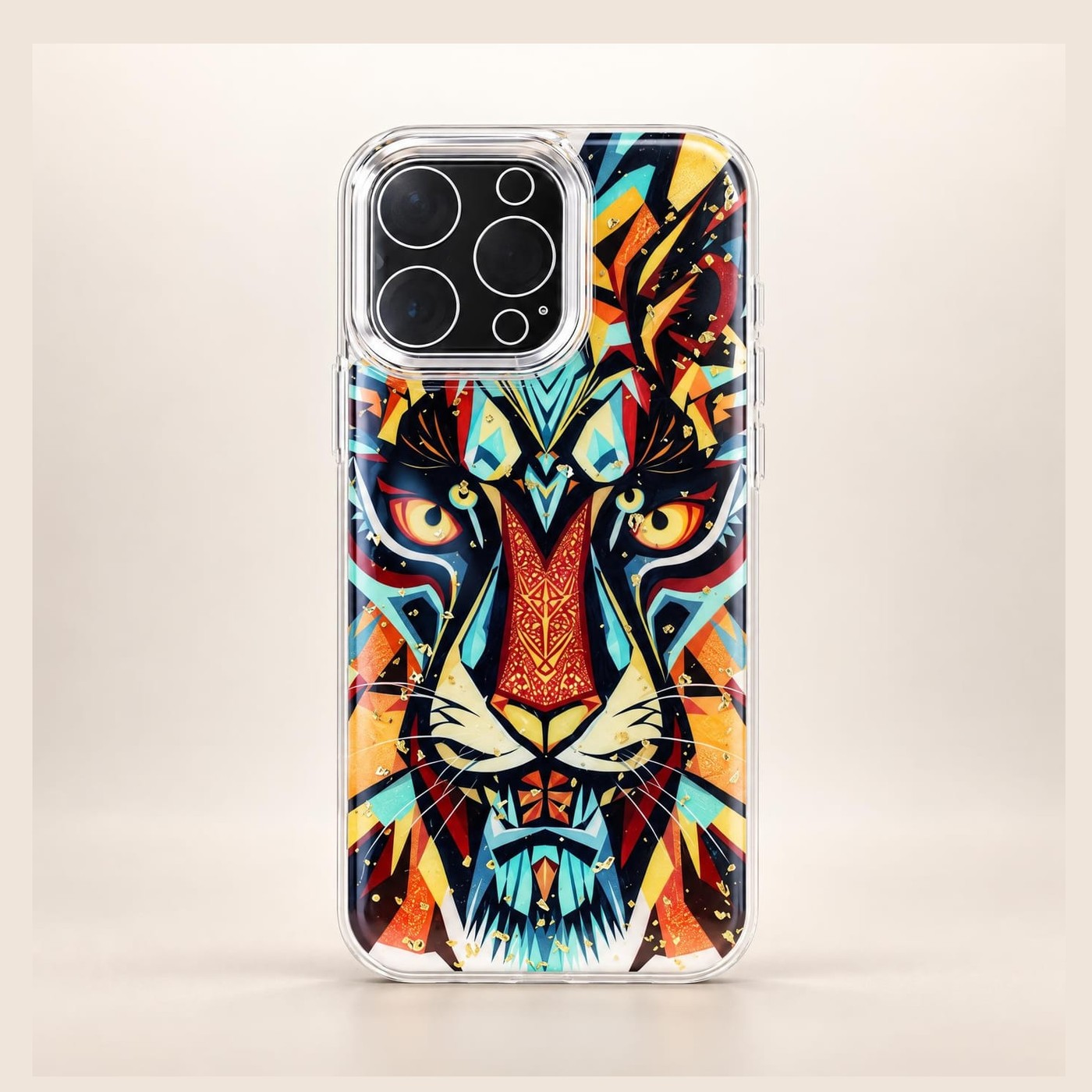
The totem said to have shaped Cusco's own city plan — not a generic 'big cat' placeholder.
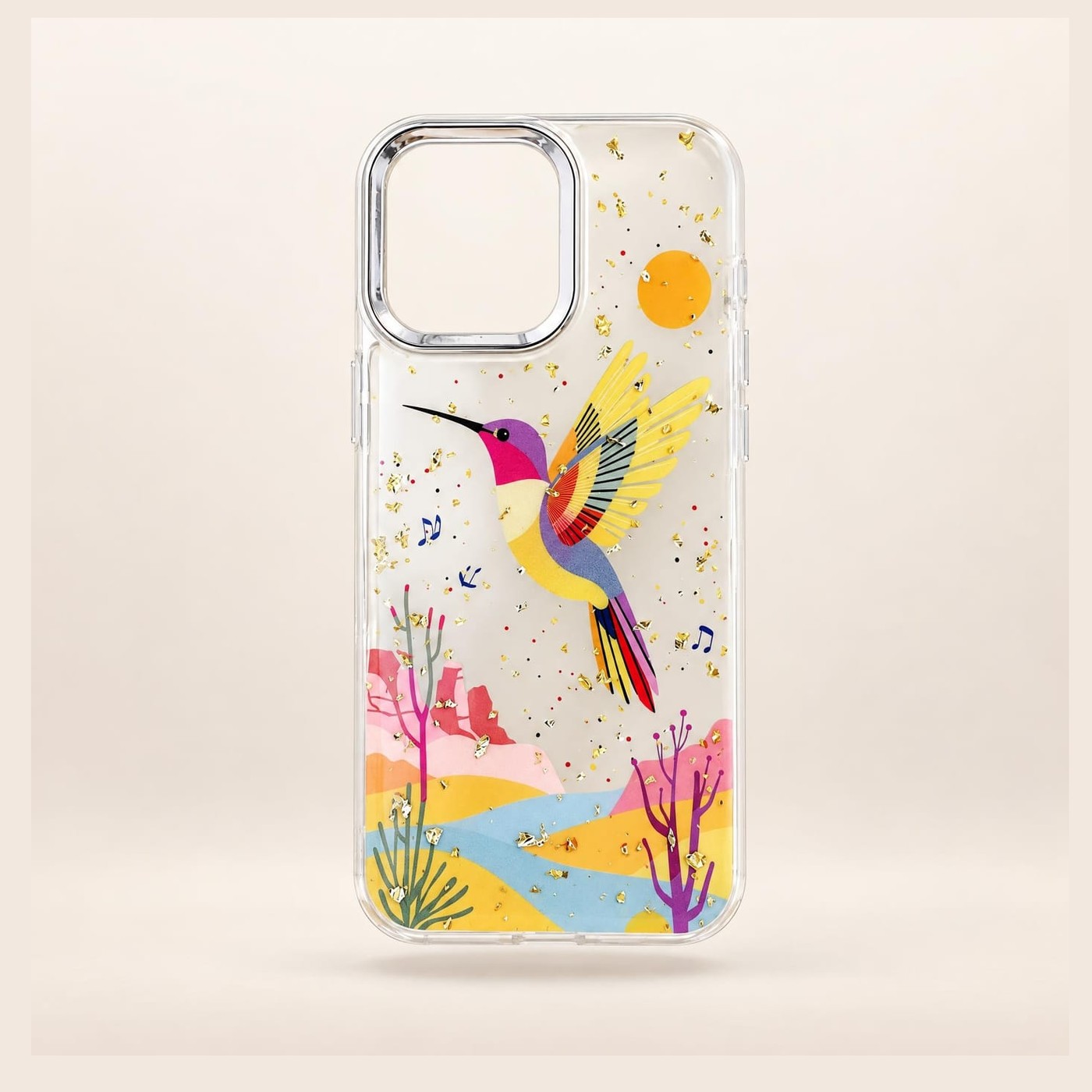
One of the world's most recognisable ancient geoglyphs — not a generic 'bird line art' placeholder.
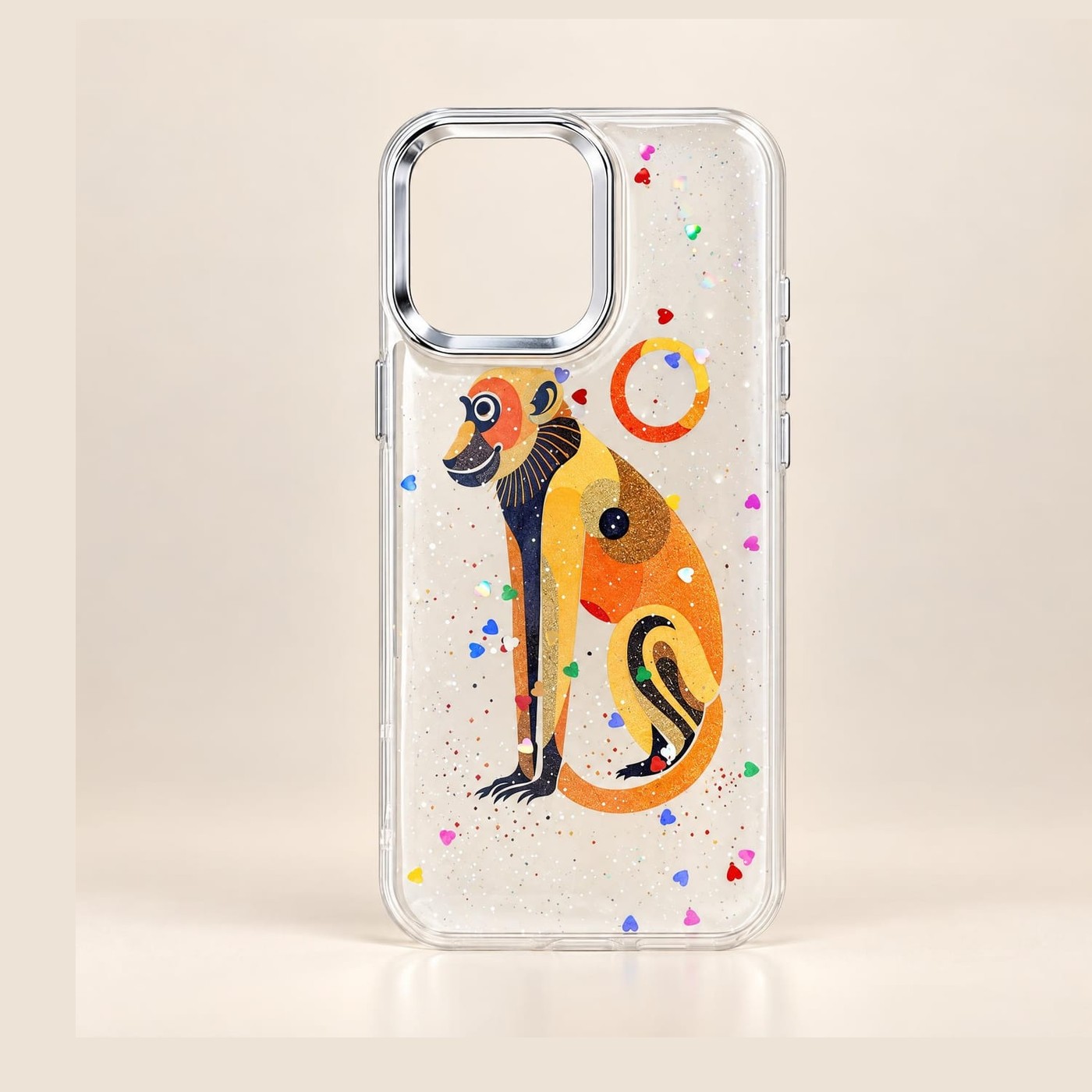
The spiral-tailed companion figure to the Nazca hummingbird — not a generic 'jungle animal' placeholder.
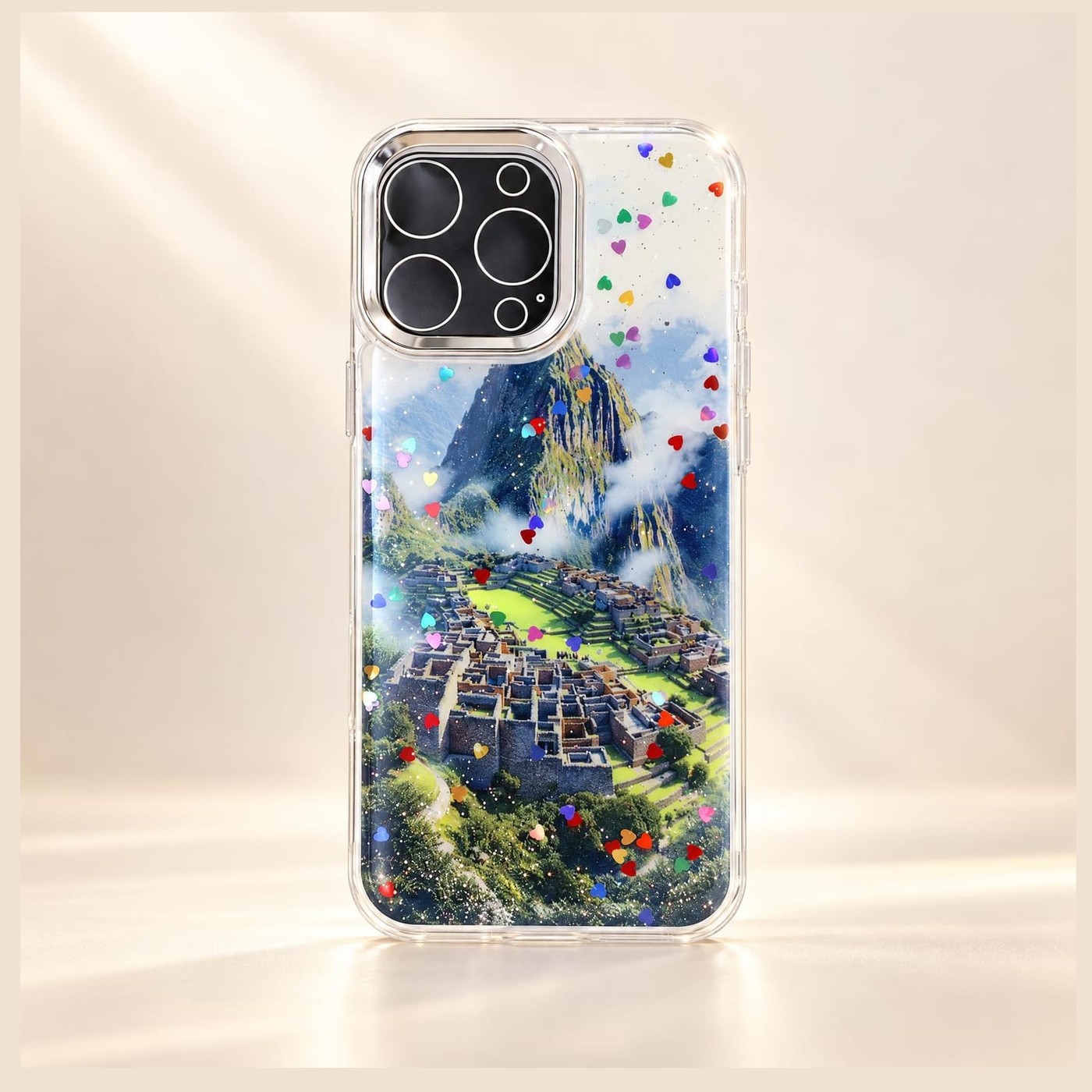
Peru's most globally recognised landmark — not a generic 'ancient ruins' placeholder.
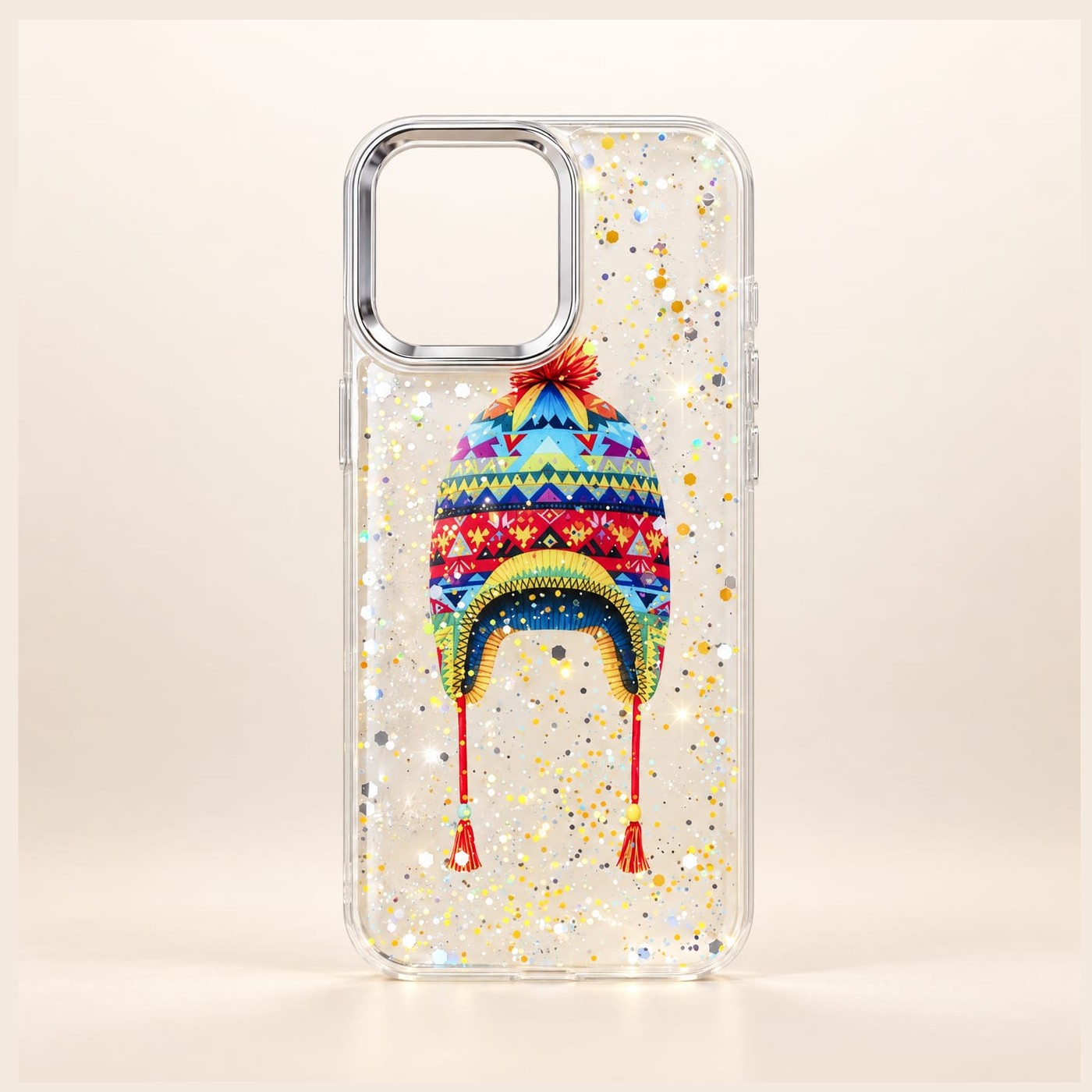
The most approachable folk-costume symbol of the Andes — not a generic 'knit beanie' placeholder.
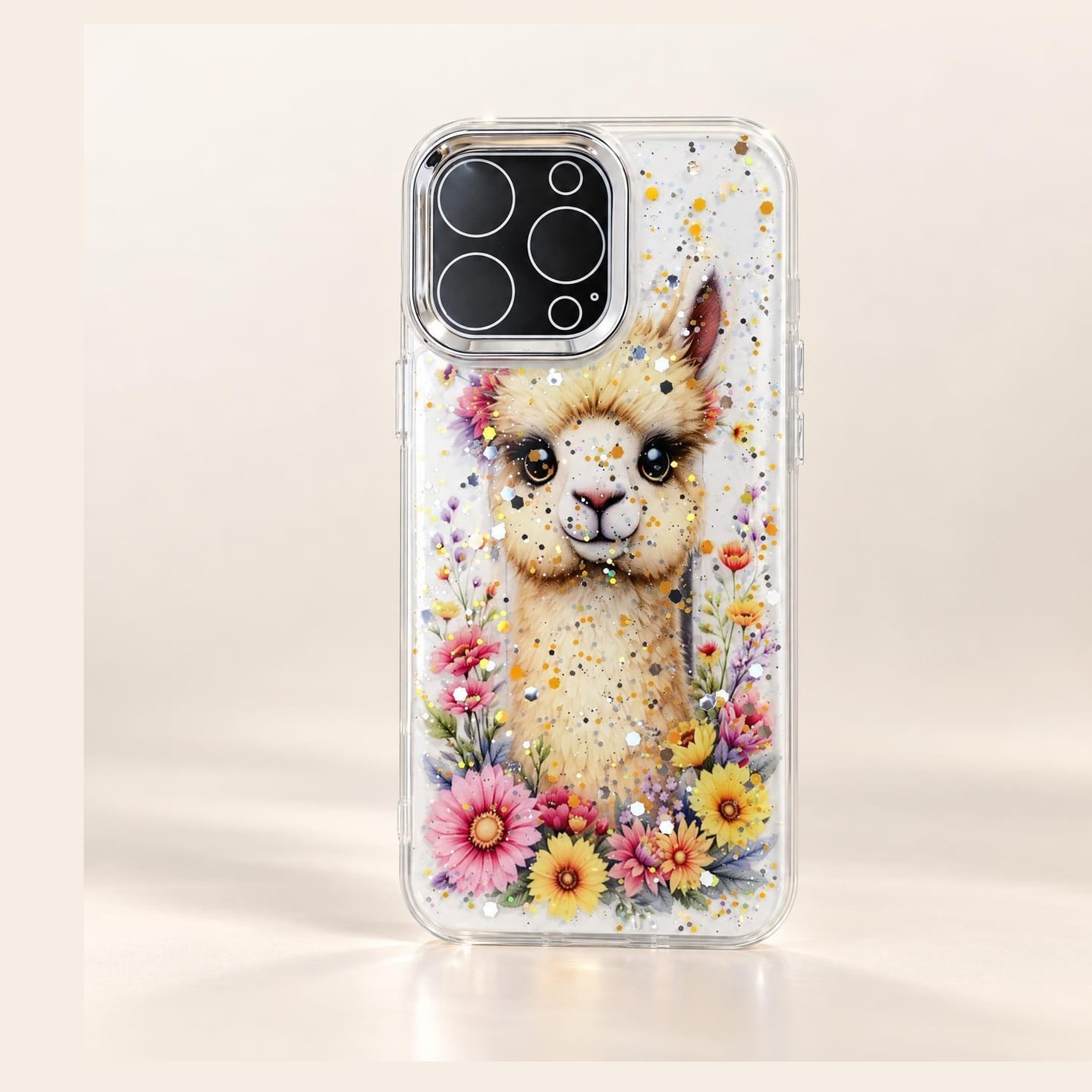
Peru's most internationally recognised animal, paired with its native highland flora — not a generic 'cute animal' placeholder.
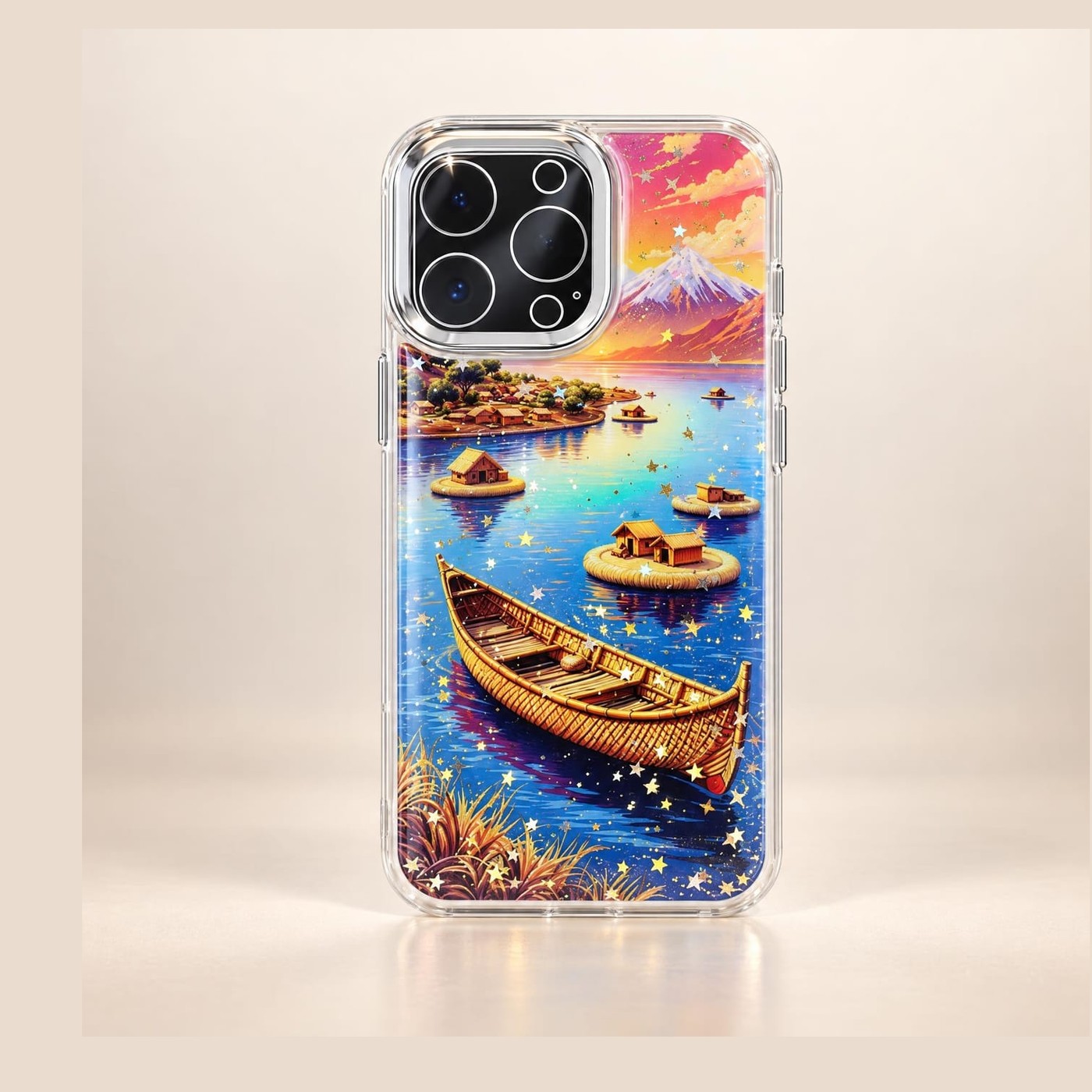
A real Uros floating-island way of life — not a generic 'lake boat' placeholder.
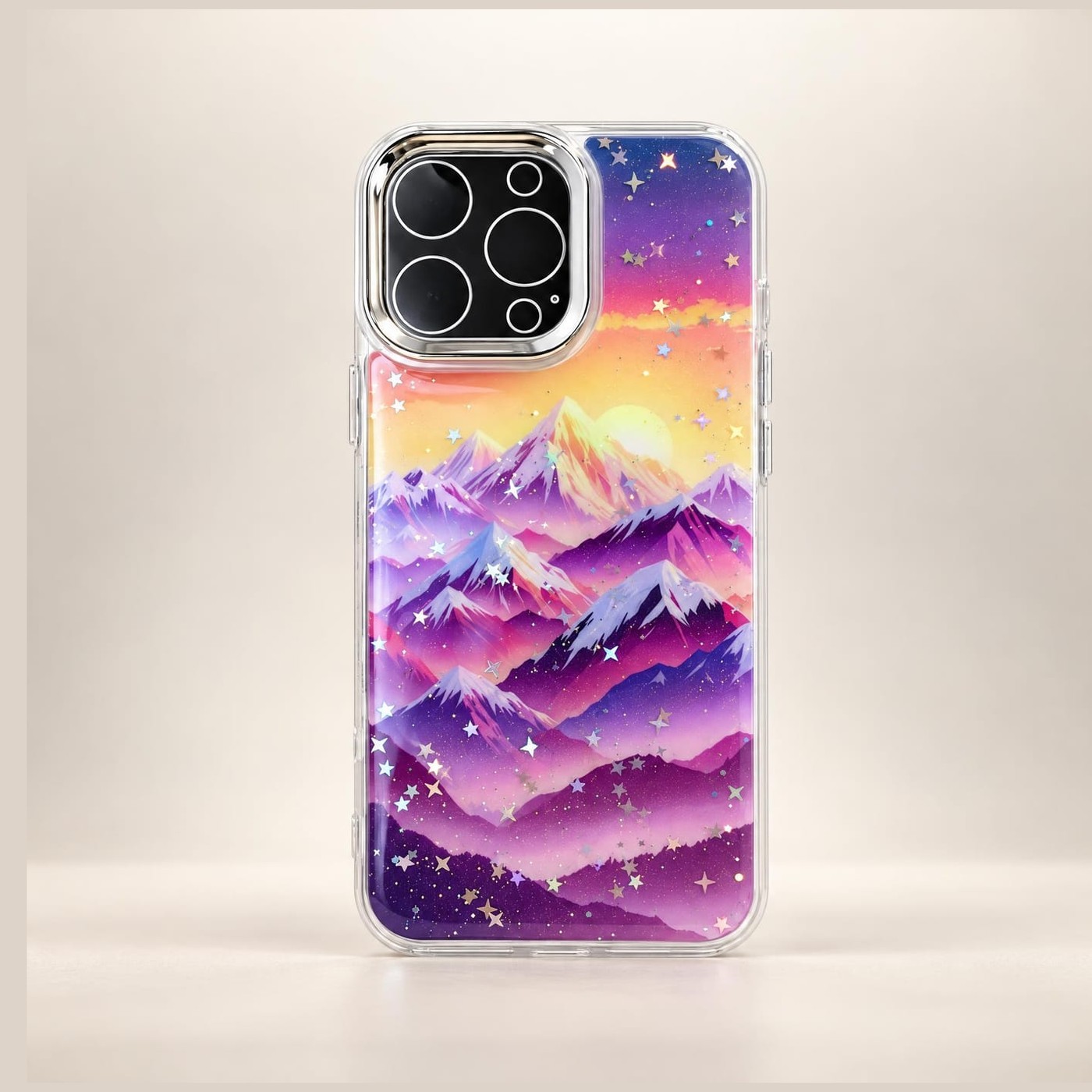
The defining natural image of Peru's highlands — not a generic 'mountain landscape' placeholder.
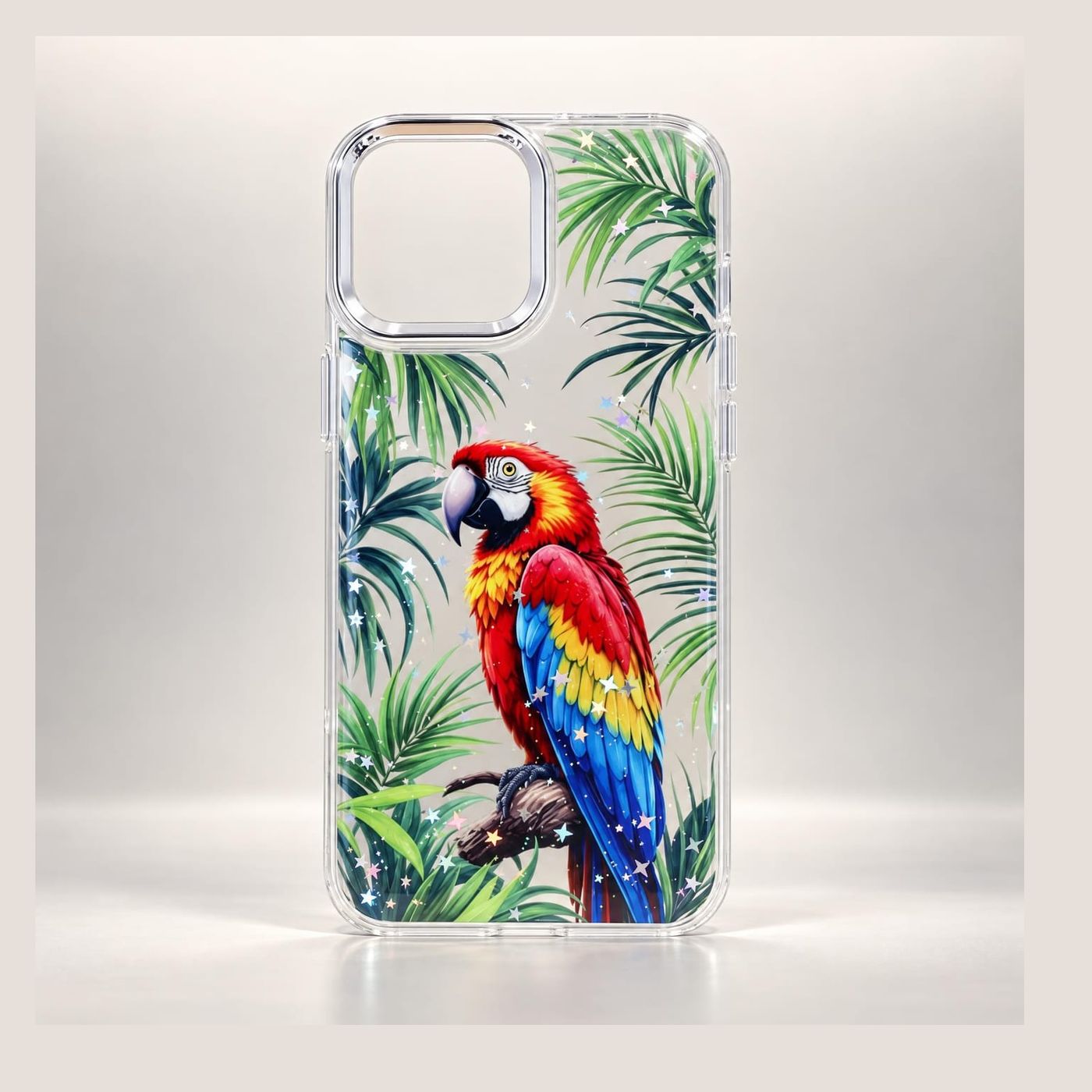
A real Amazon macaw whose plumage echoes Brazil's own flag colors — not a generic 'tropical bird' placeholder.
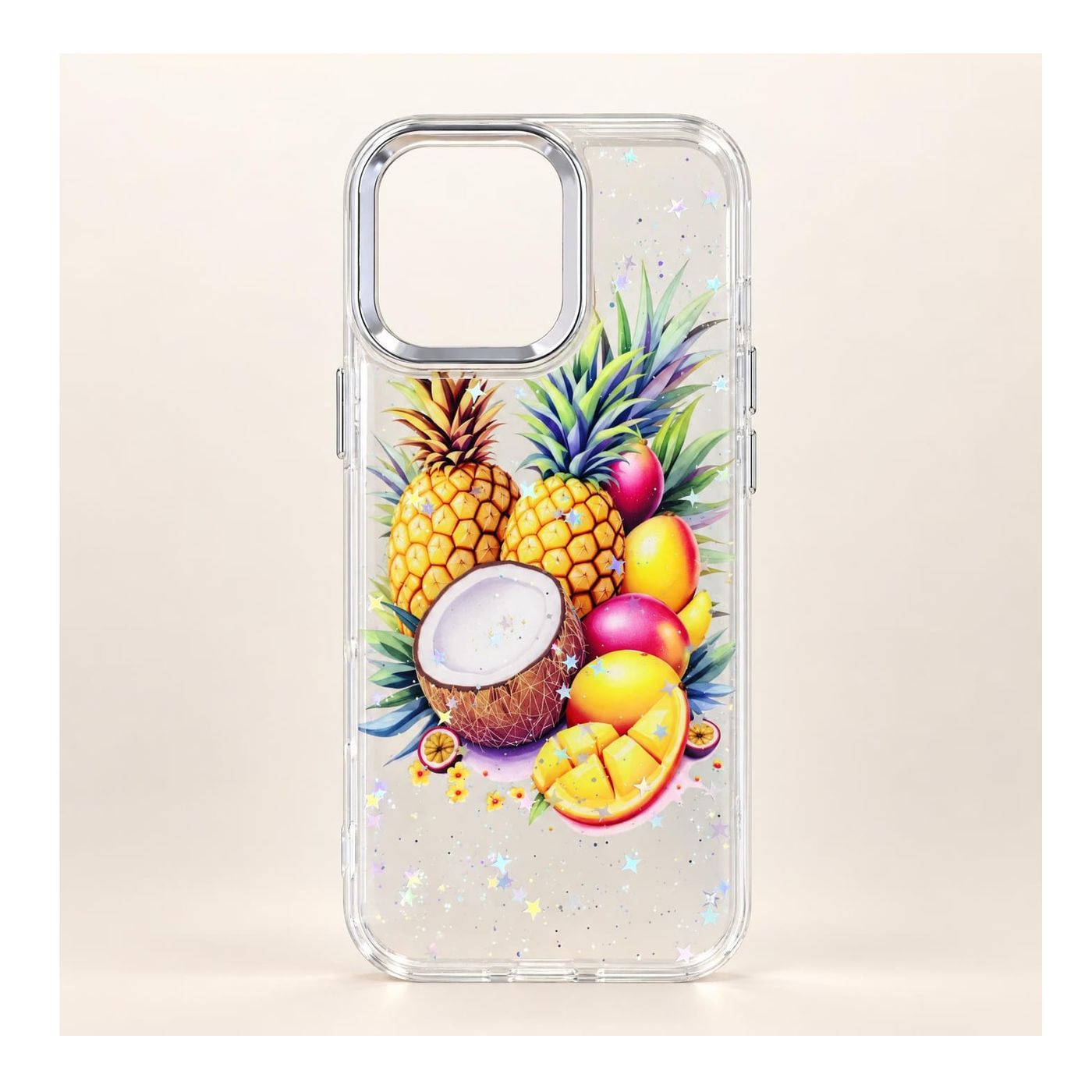
Brazil's signature tropical fruits — not a generic 'summer fruit' placeholder.
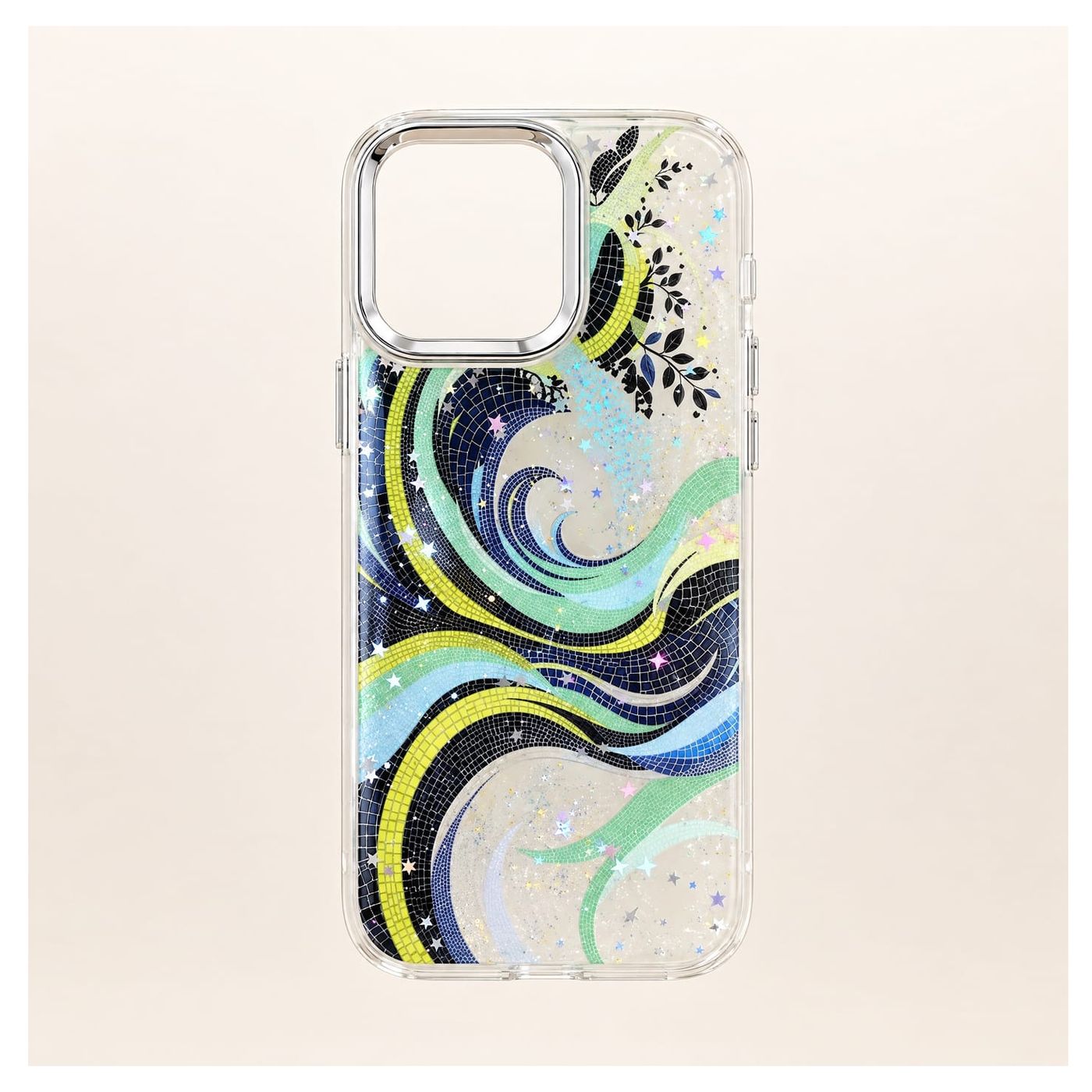
The actual Burle Marx-designed sidewalk of Rio's most famous beach — not a generic 'wave pattern' placeholder.
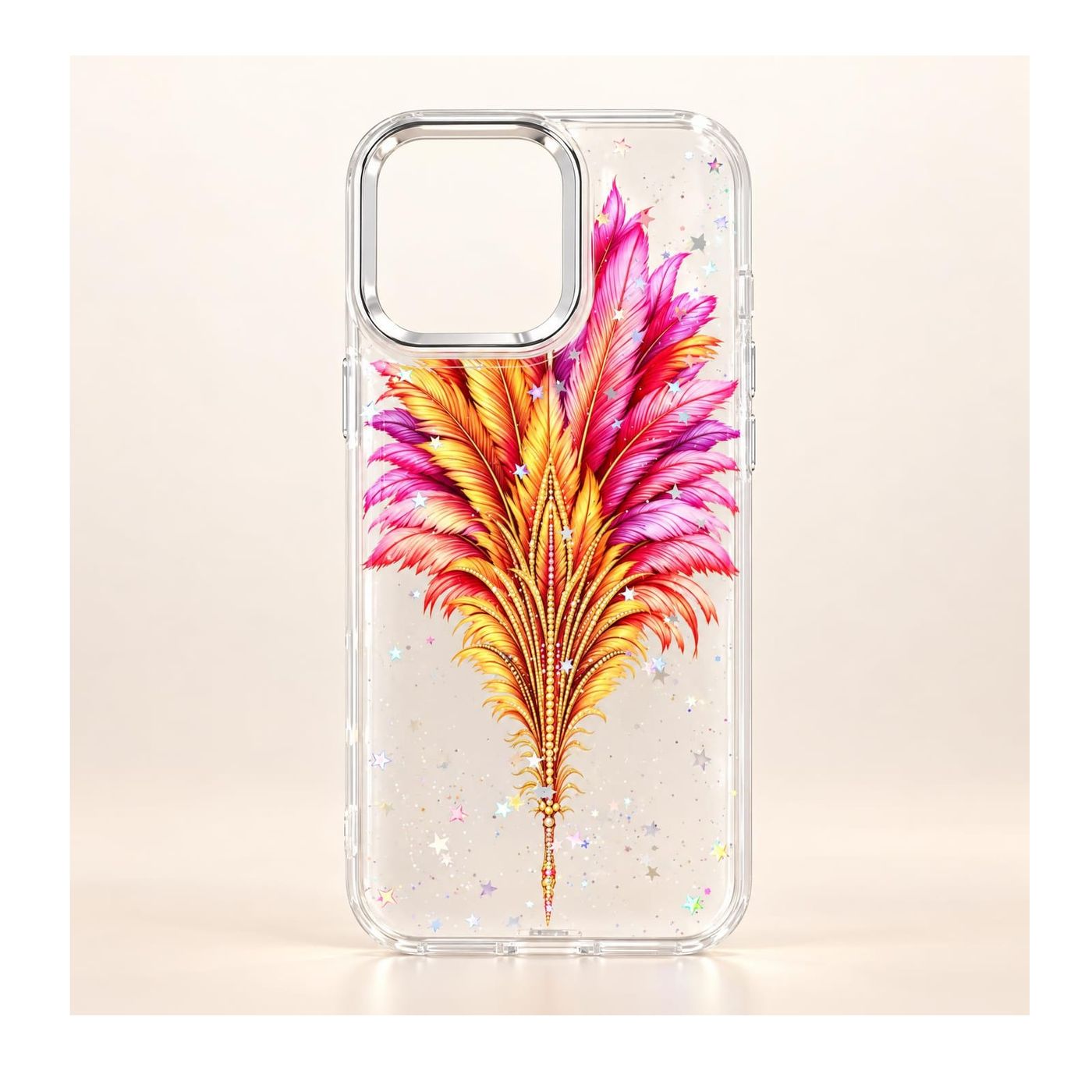
The signature plume of Rio Carnival samba school parades — not a generic 'feather' placeholder.
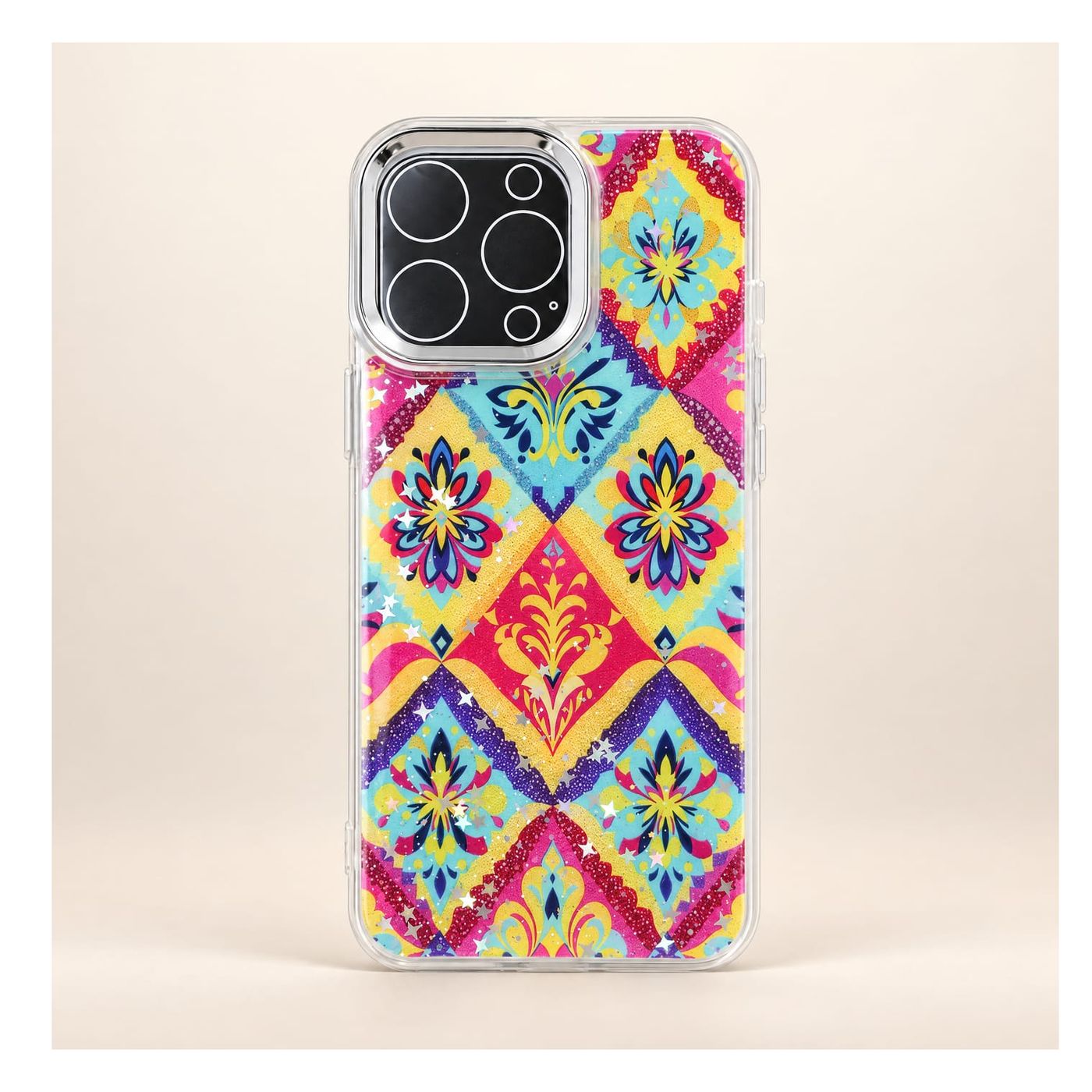
The dense sequin craftsmanship of samba school parade costumes — not a generic 'glitter pattern' placeholder.
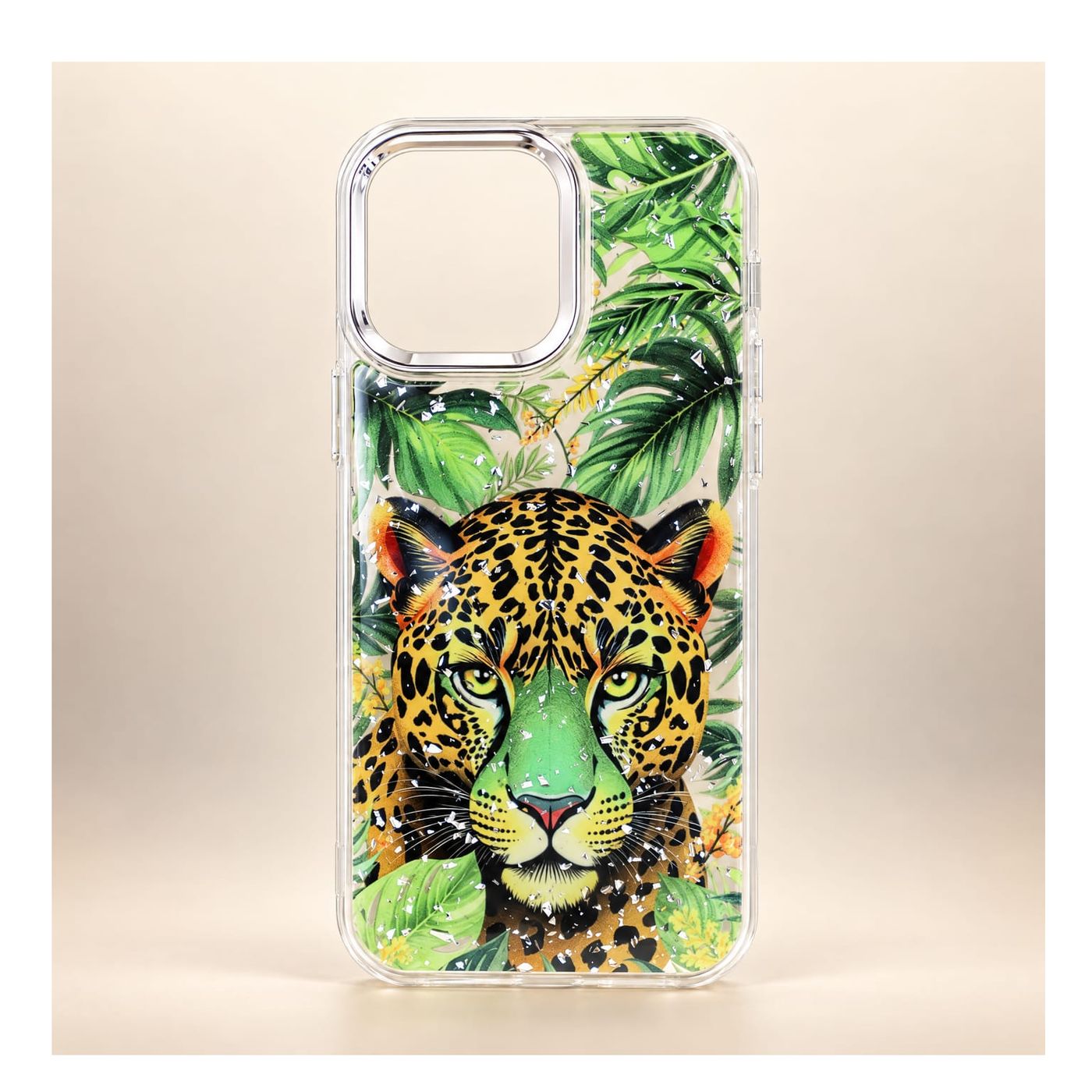
An important totem animal in Brazilian Indigenous culture — not a generic 'big cat' placeholder.
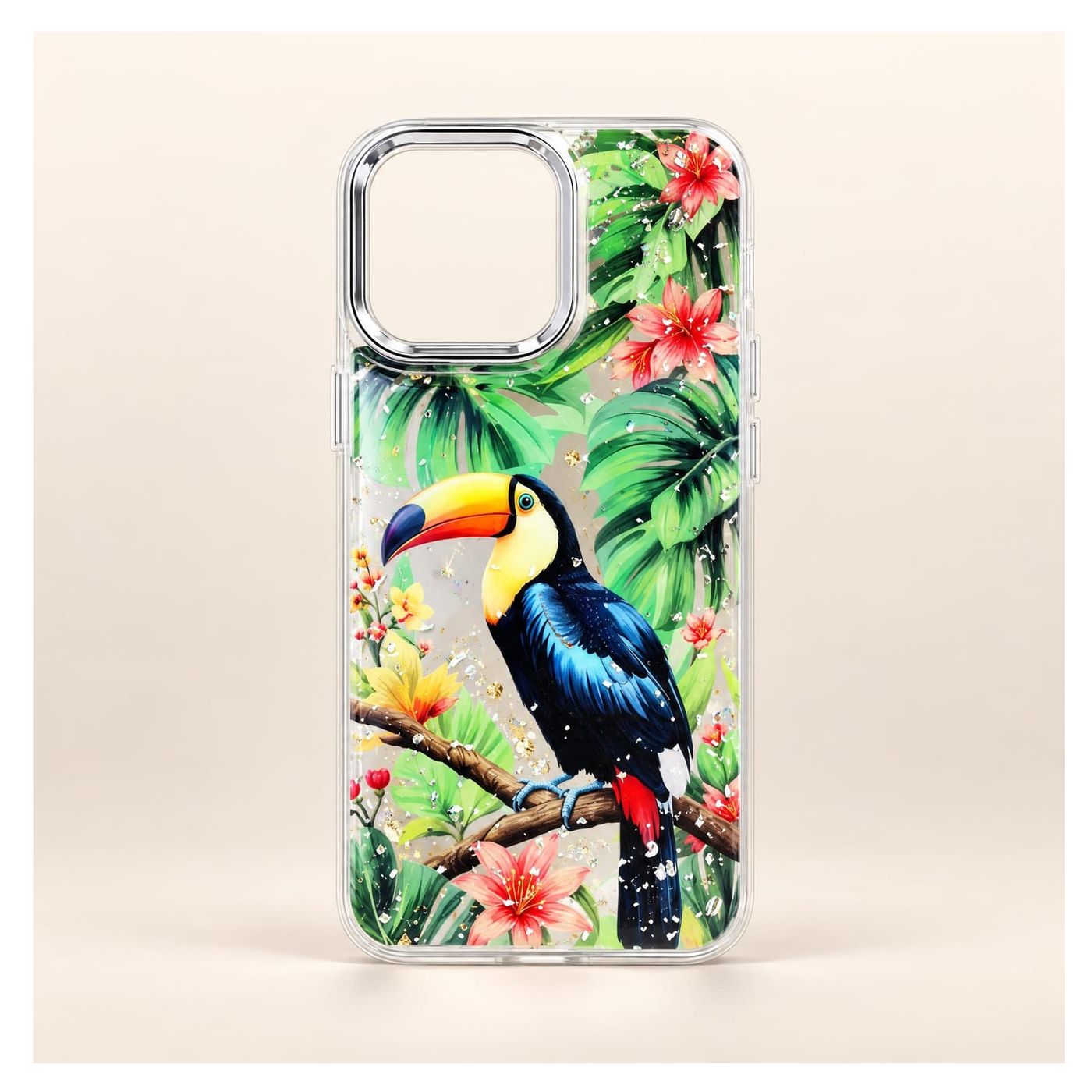
Brazil's second most iconic Amazon bird after the macaw — not a generic 'tropical bird' placeholder.
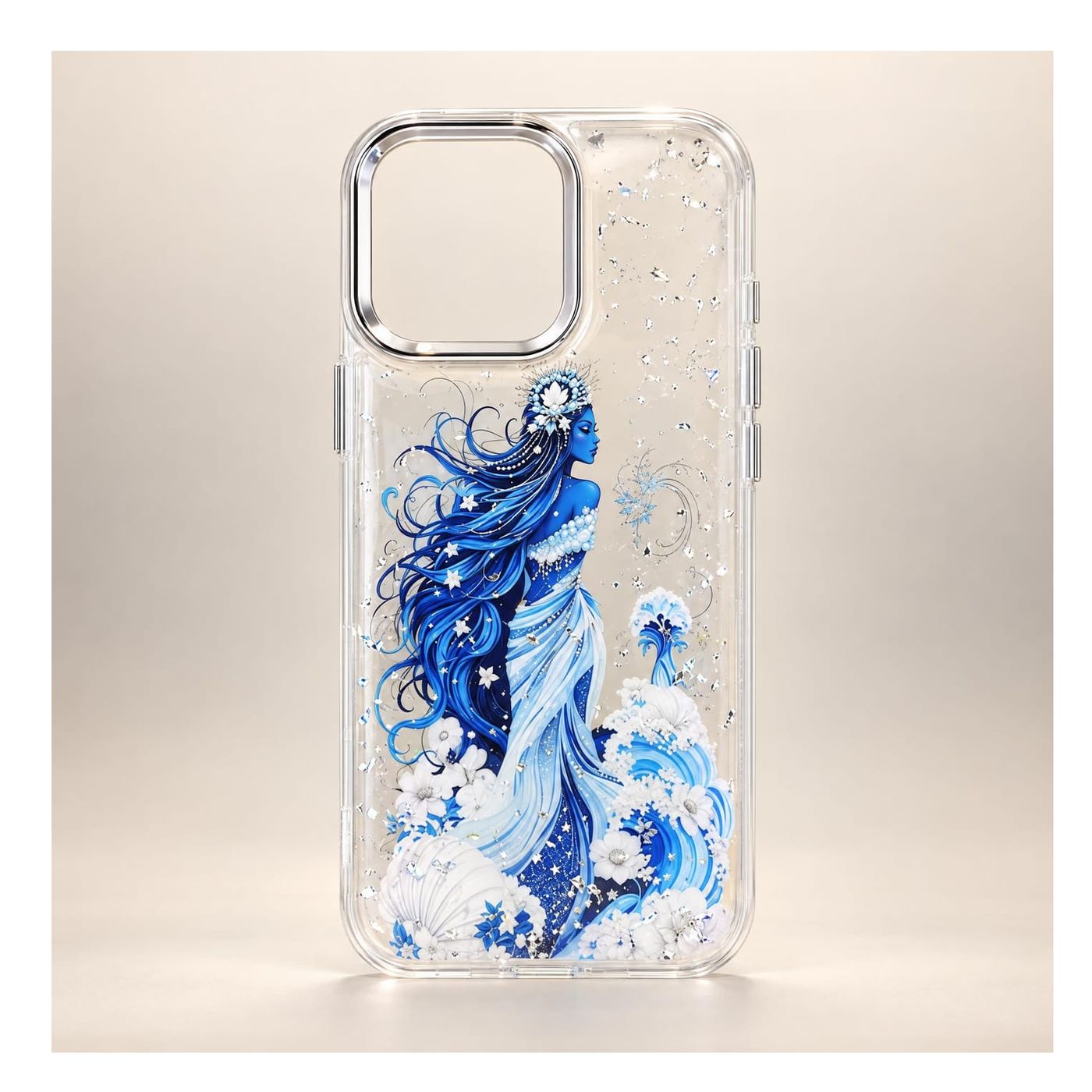
A deeply felt symbol of Brazil's Afro-Brazilian faith tradition — not a generic 'mermaid' placeholder.
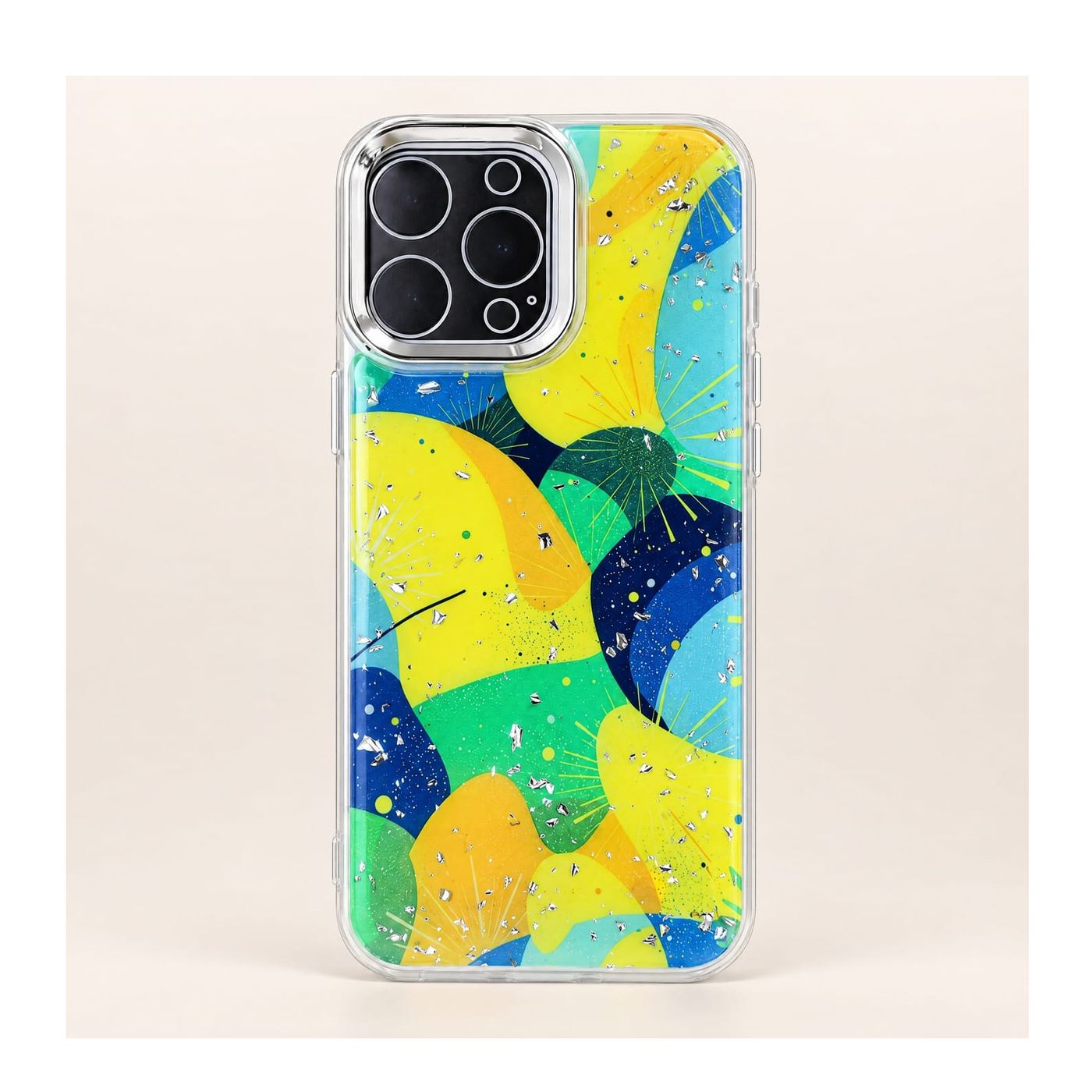
2026's defining Brazilian trend keyword, told through colour and composition alone — not a generic flag graphic.
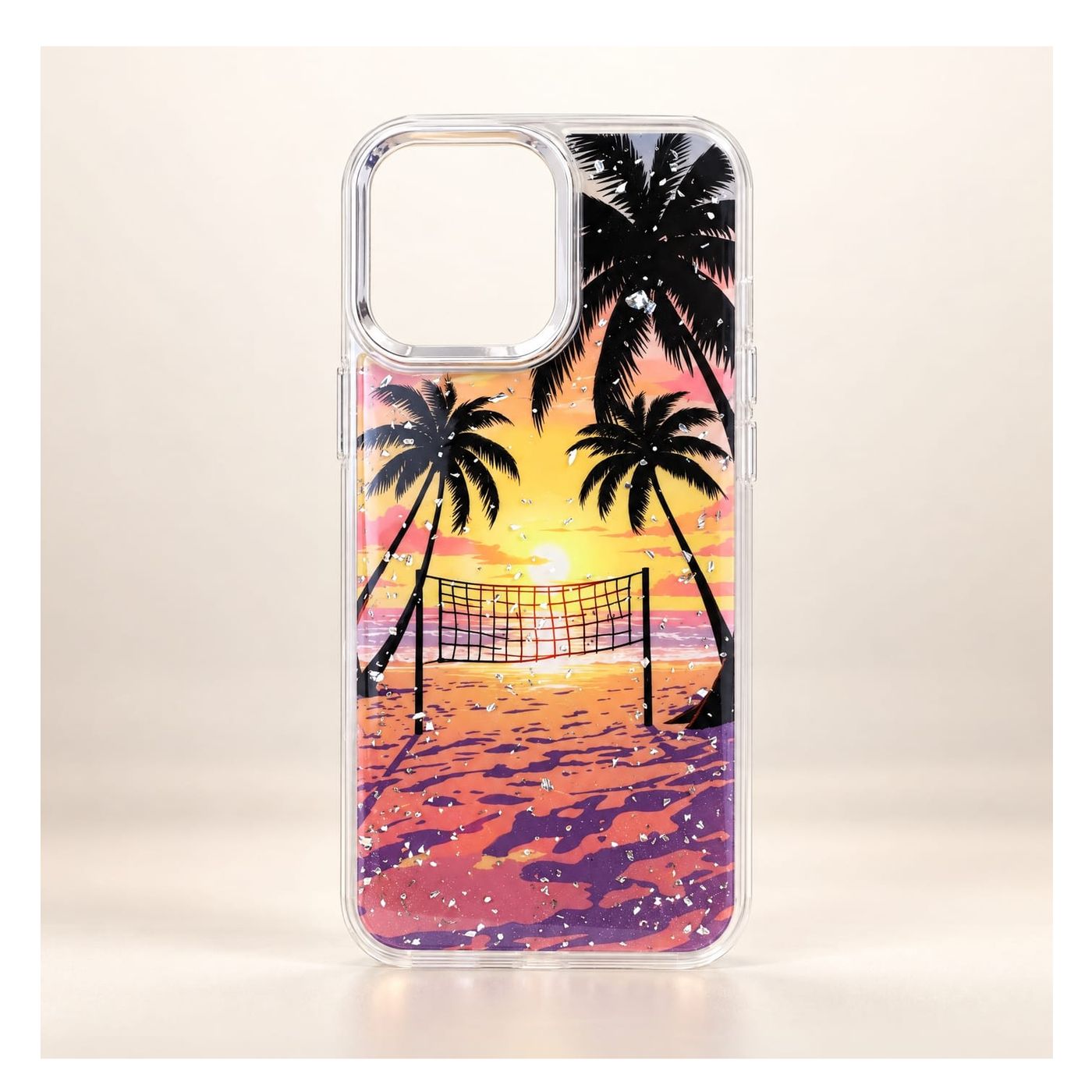
The relaxed, romantic mood of Bossa Nova set against Rio's beach culture — not a generic 'beach sunset' placeholder.
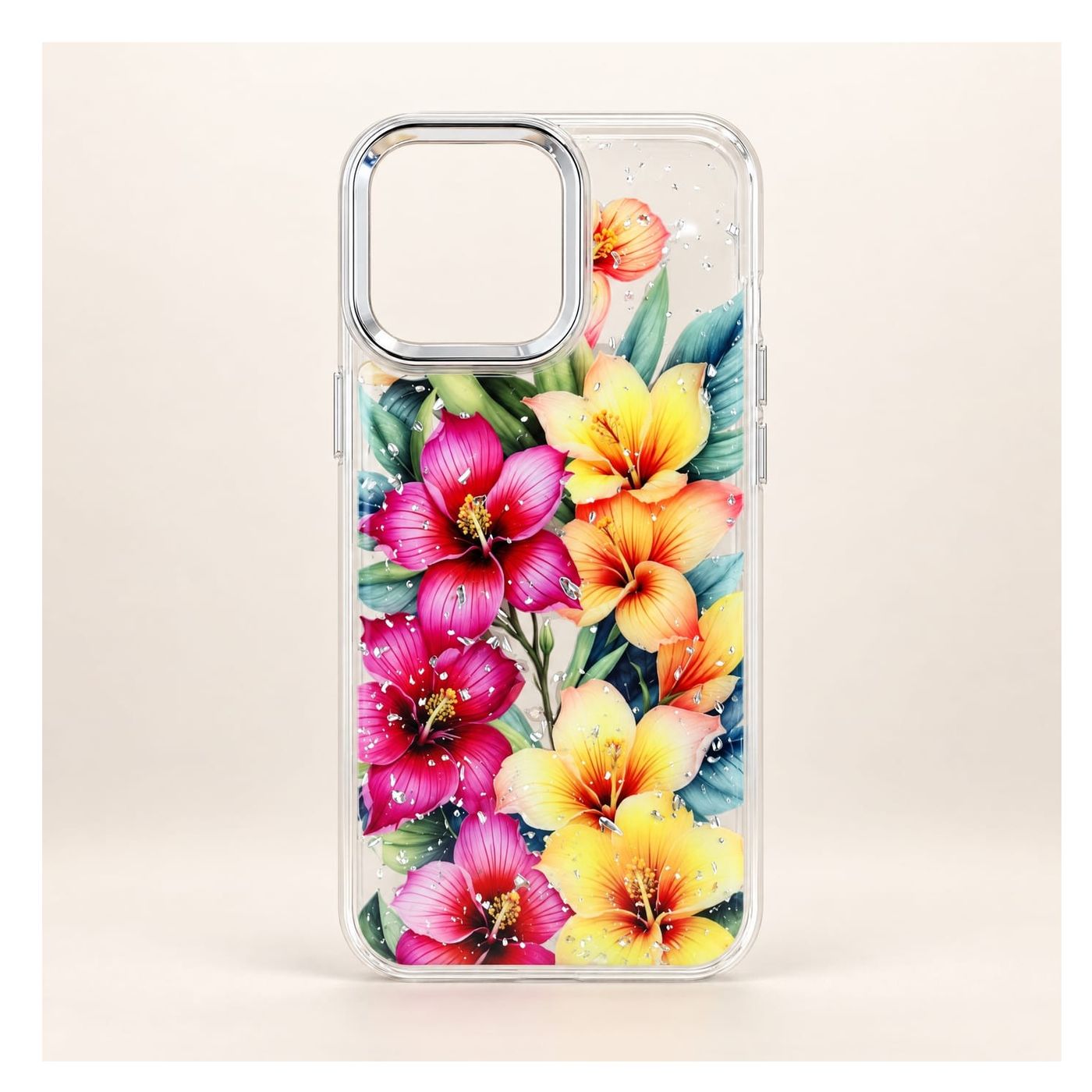
Brazil's most representative tropical ornamental flowers — not a generic 'floral print' placeholder.
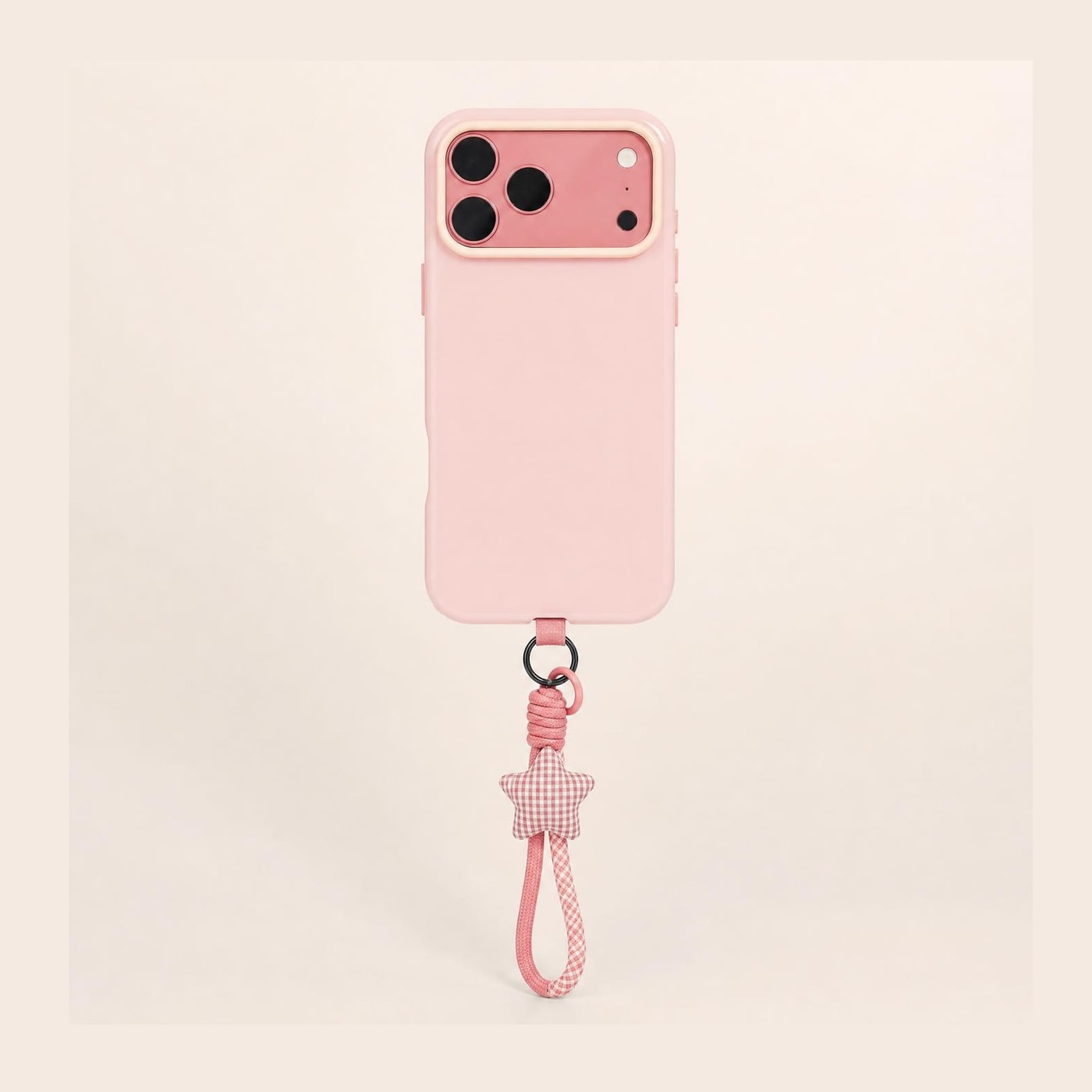
No flag, no folklore — just a dopamine-bright candy palette and a genuinely useful wrist lanyard, built for a younger customer who buys on colour and mood first.
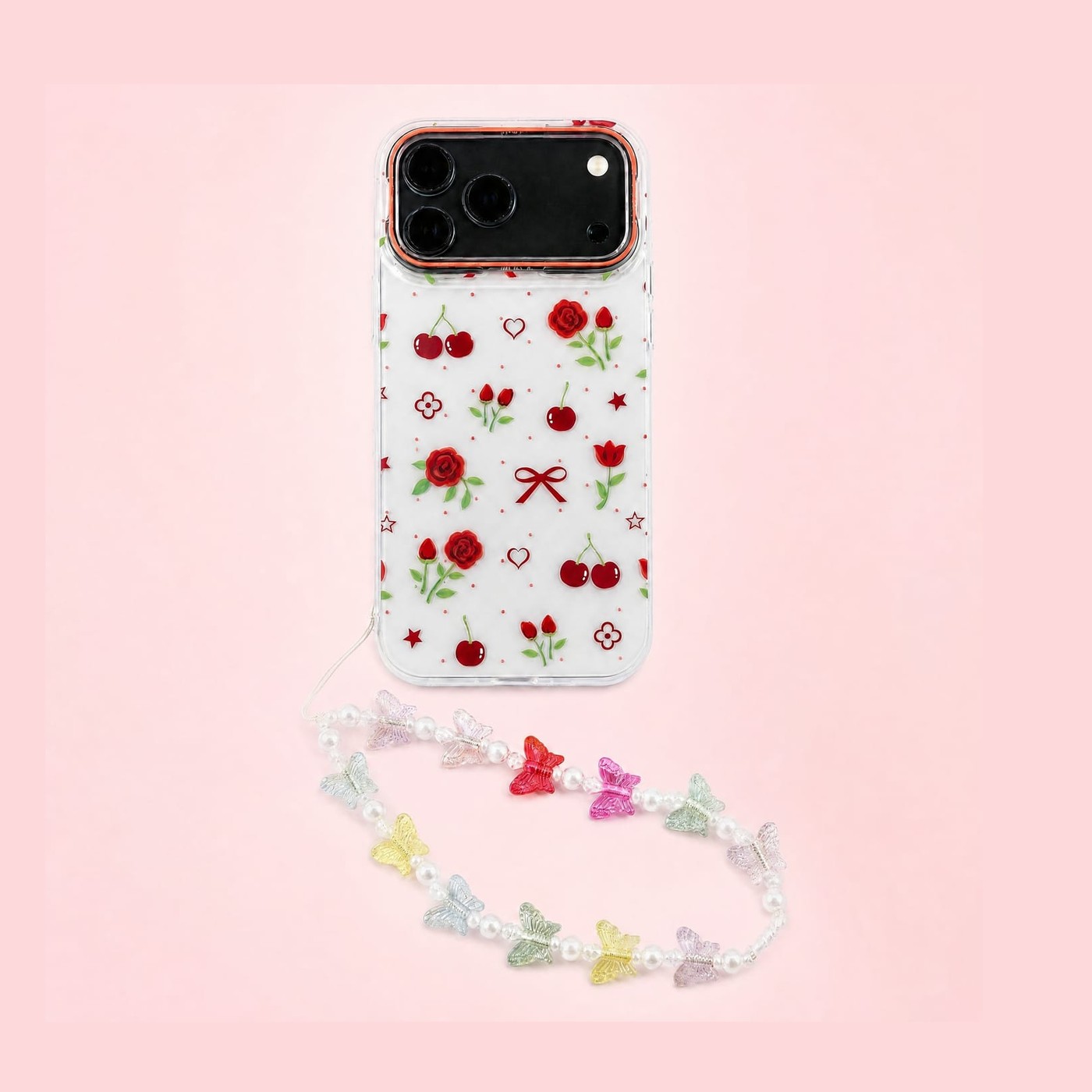
Seven ditsy-floral patterns — cherries, clover, rainbows, tulips, butterflies — each paired with its own exclusive beaded lanyard, not a generic add-on.
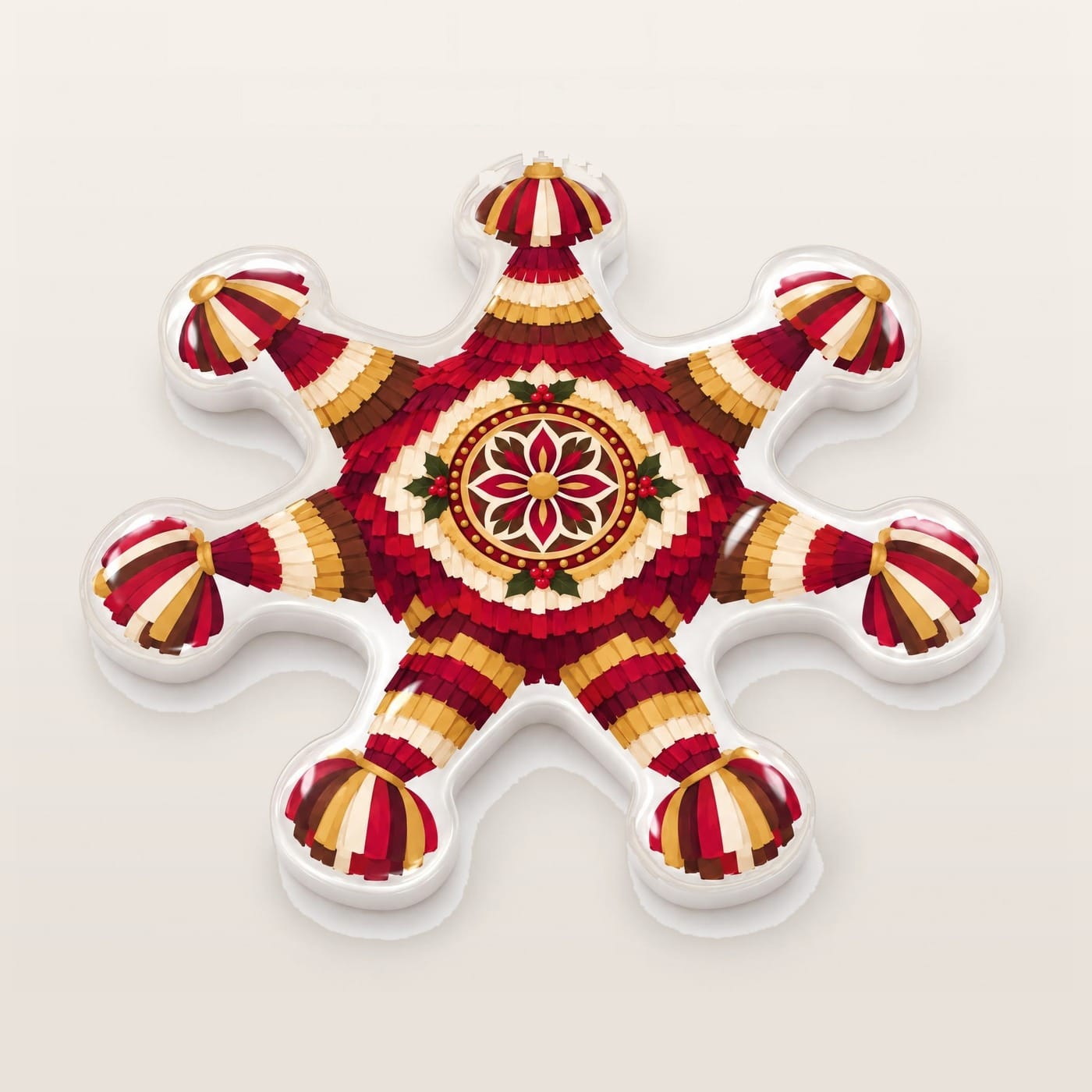
The seven-point star piñata of Mexico's Las Posadas, in wine red, cream and gold.
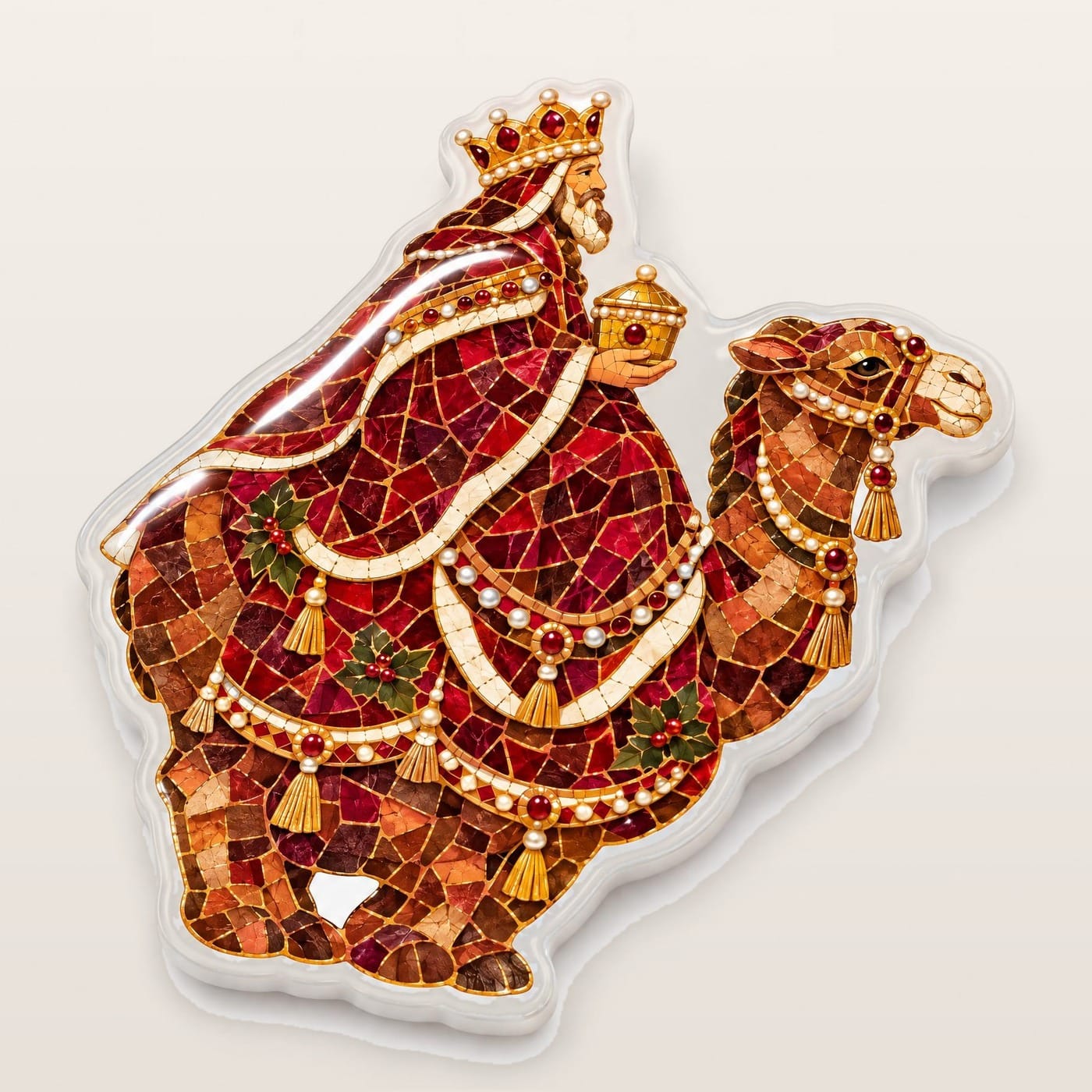
A Three Kings camel rider in trencadís-style mosaic — for Spain's 6 January gift day.
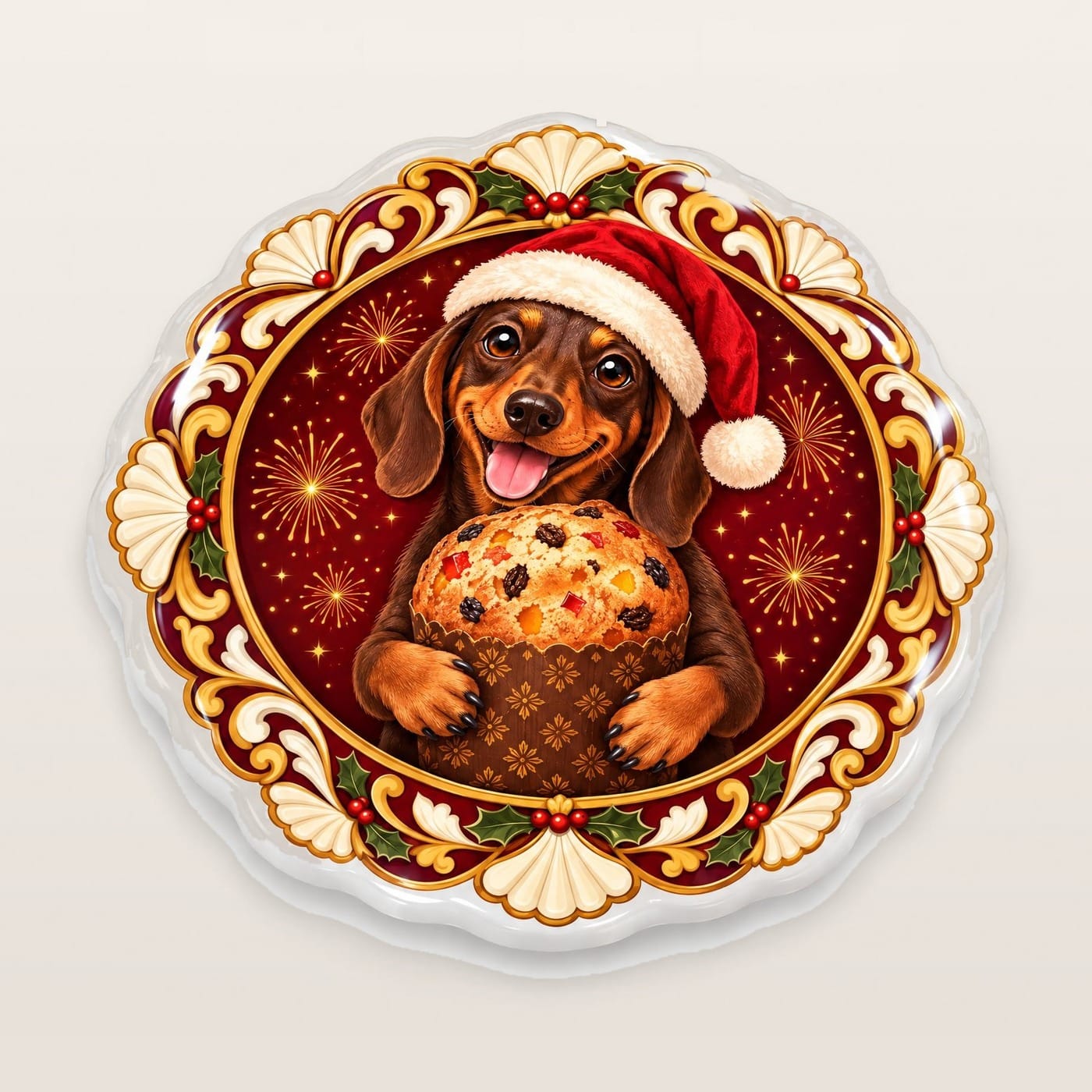
A dachshund and the Christmas pan dulce, in a gold scrollwork badge — a midsummer Argentine Christmas.
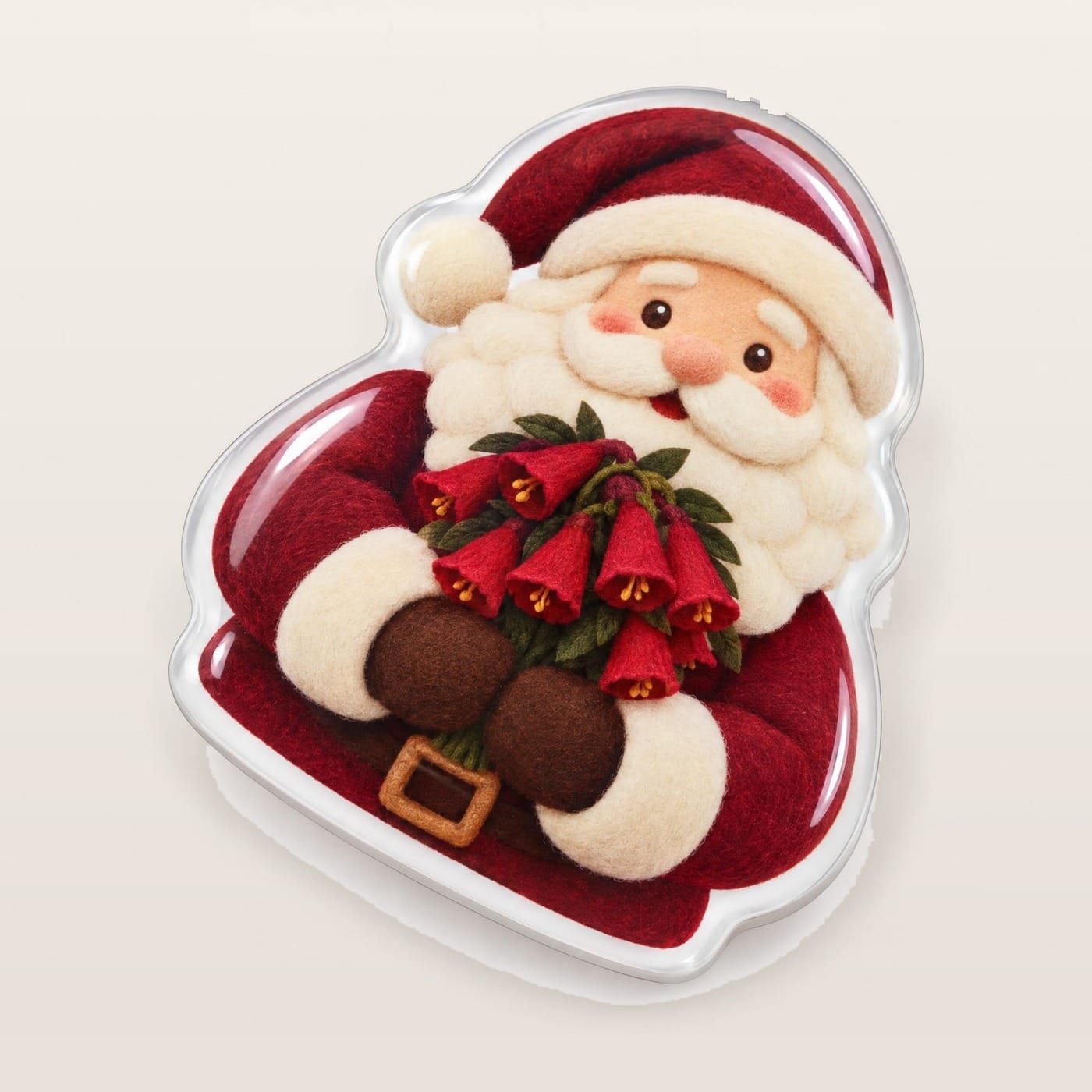
Viejito Pascuero with the copihue, Chile's national flower, in a soft felt style.
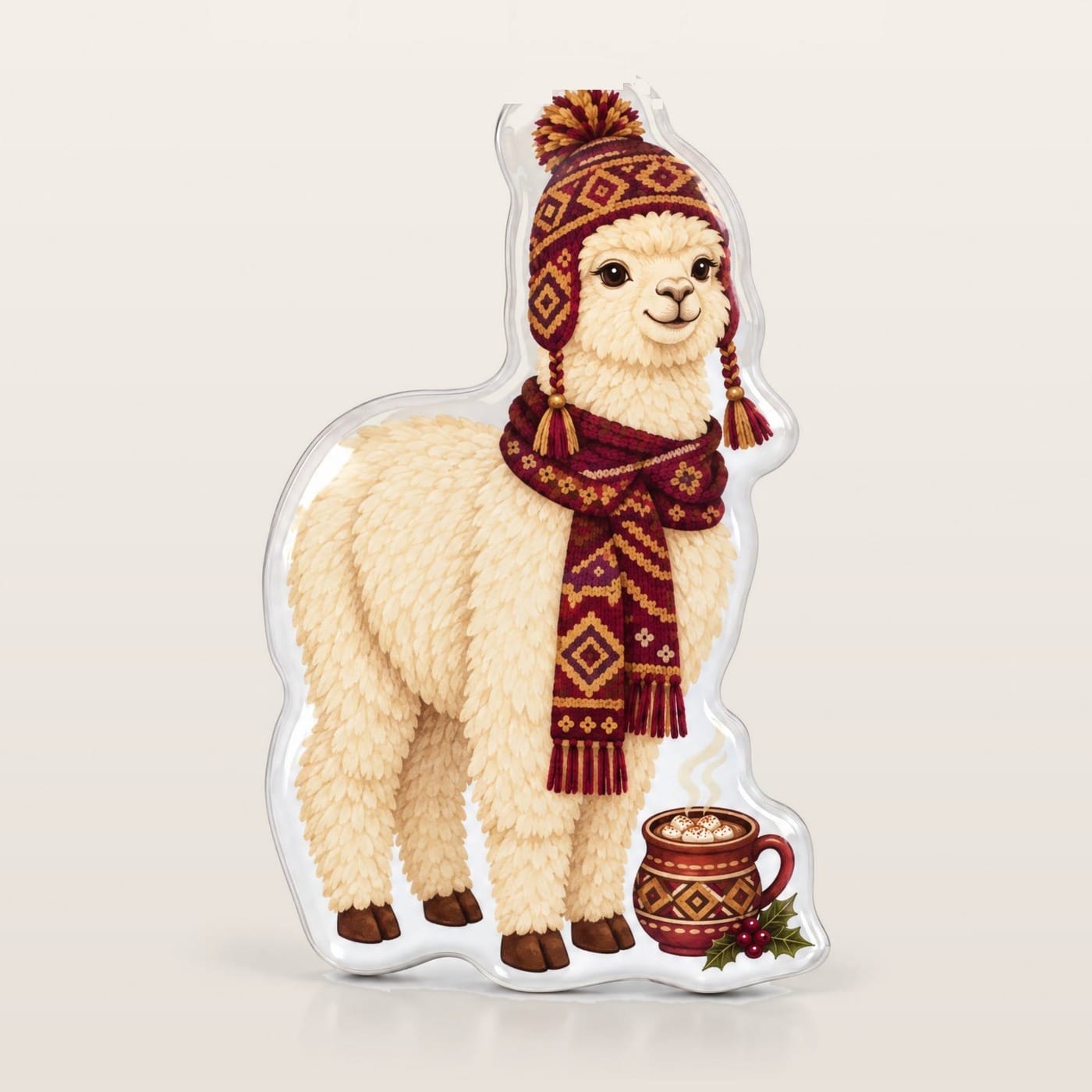
An alpaca in a knit scarf with hot chocolate — Peru's chocolatada Christmas.
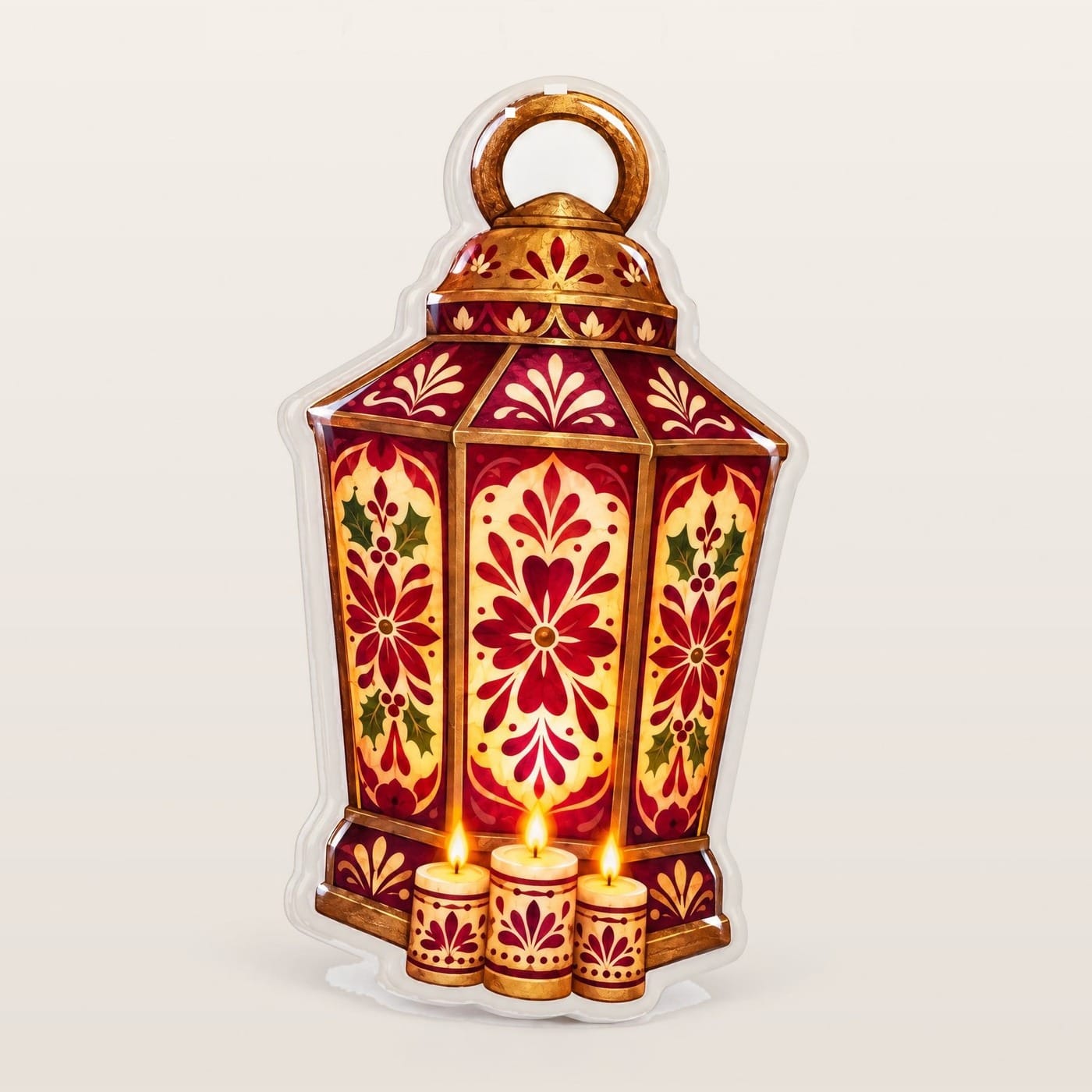
A lantern and candles for Día de las Velitas, the night that opens Colombia's Christmas.
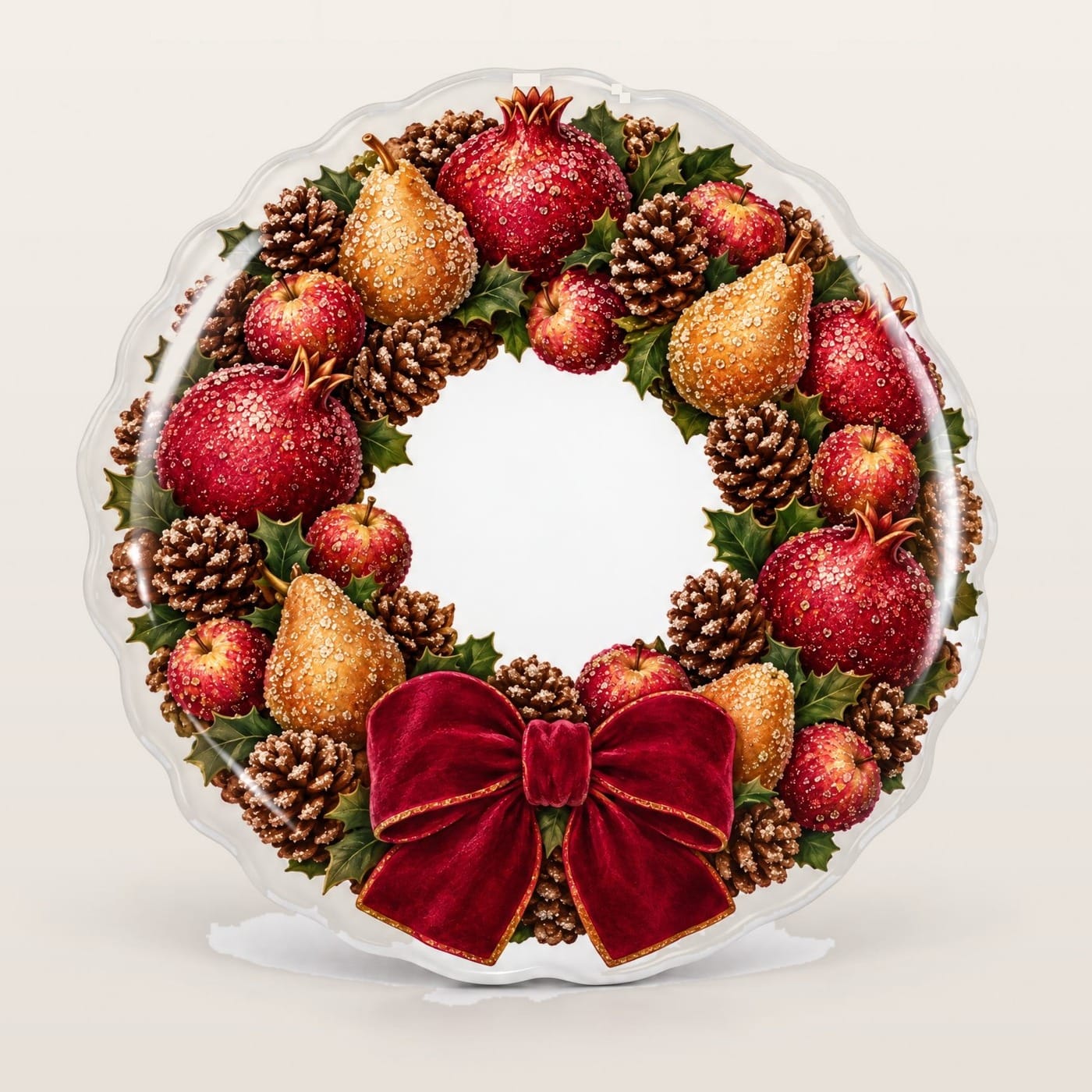
Sugared fruit, pinecones and a red velvet bow — the classic Christmas door wreath for the fridge.
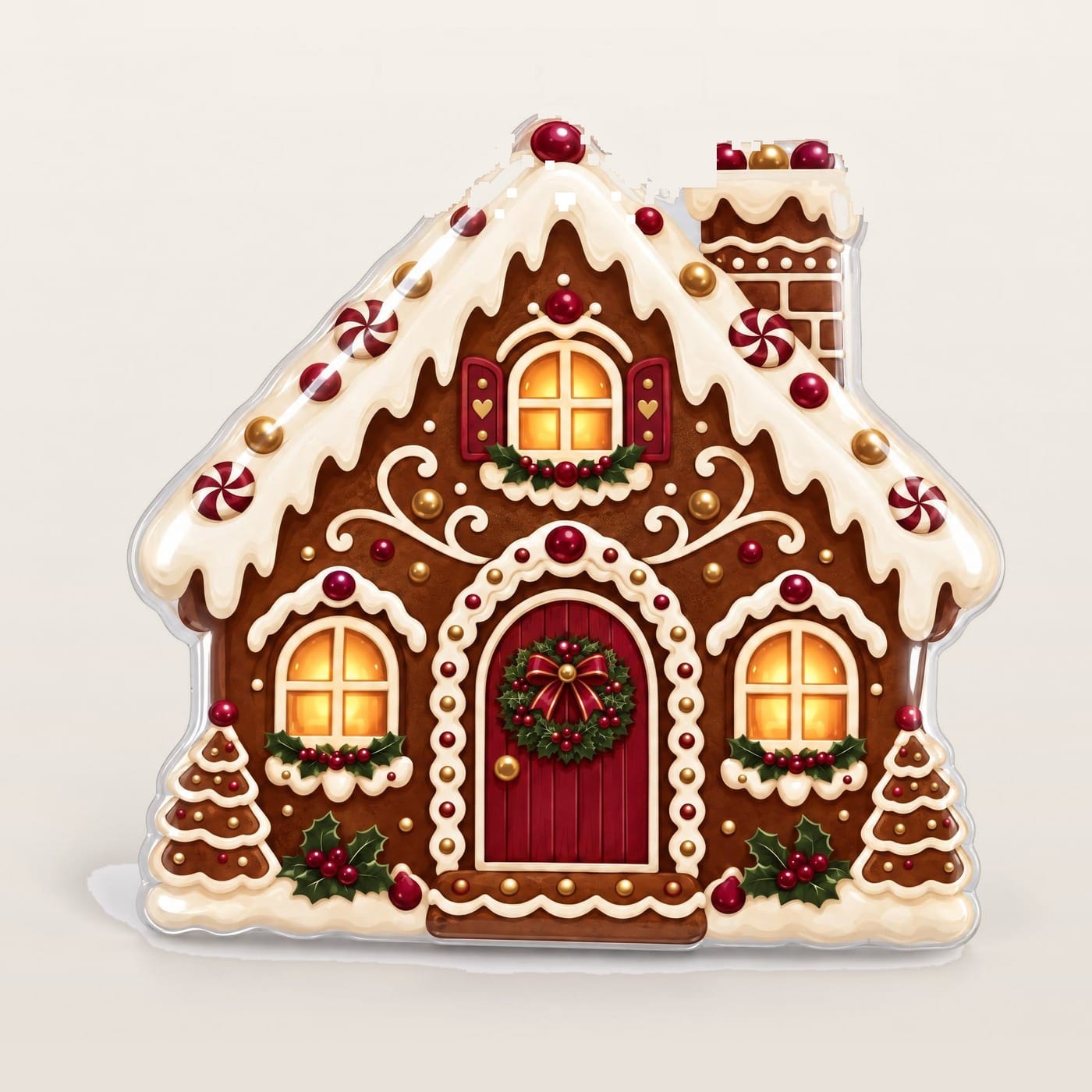
A gingerbread house with icing snow and candy details — the biggest piece in the range.
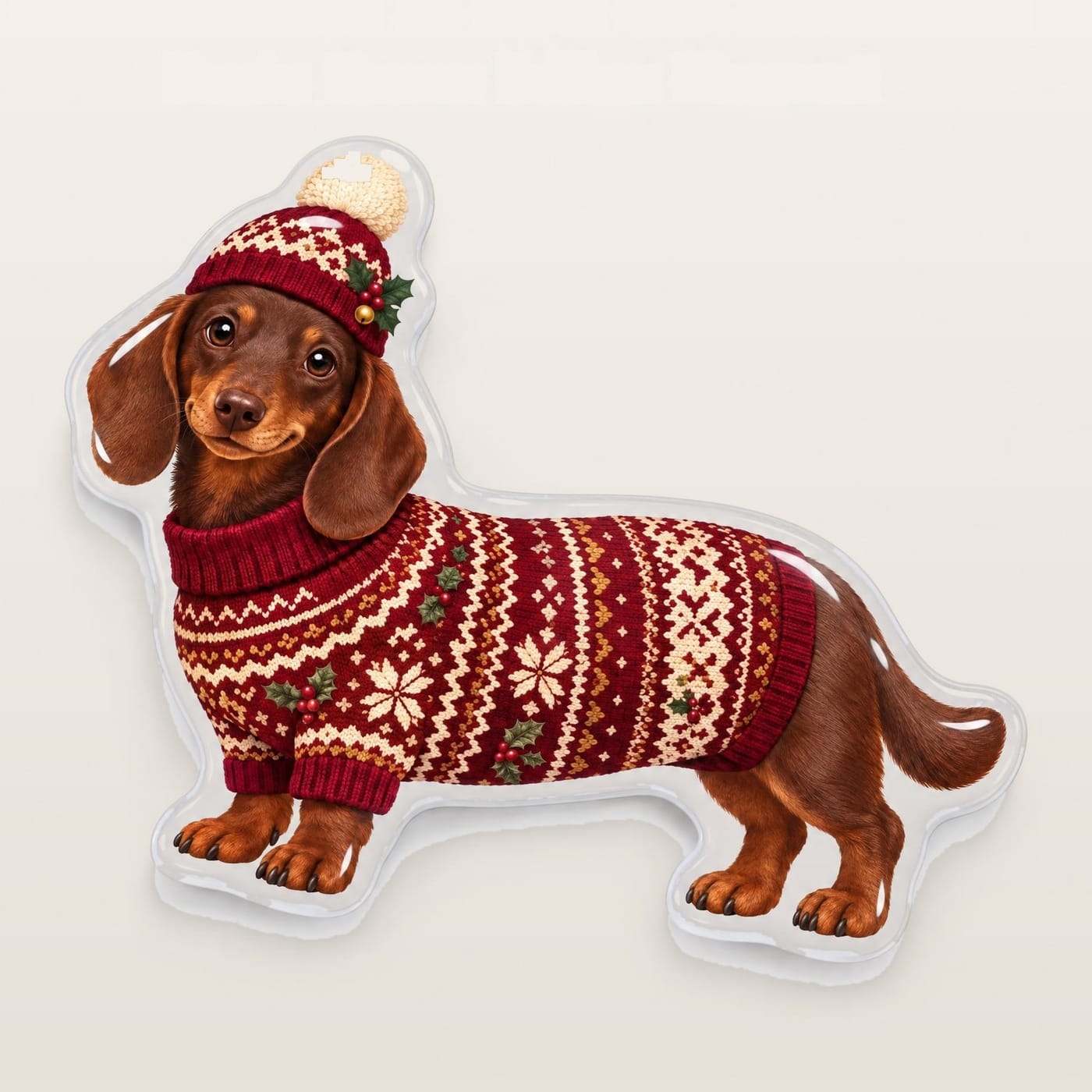
A dachshund in a patterned knit sweater and bobble hat — a cosy winter favourite.
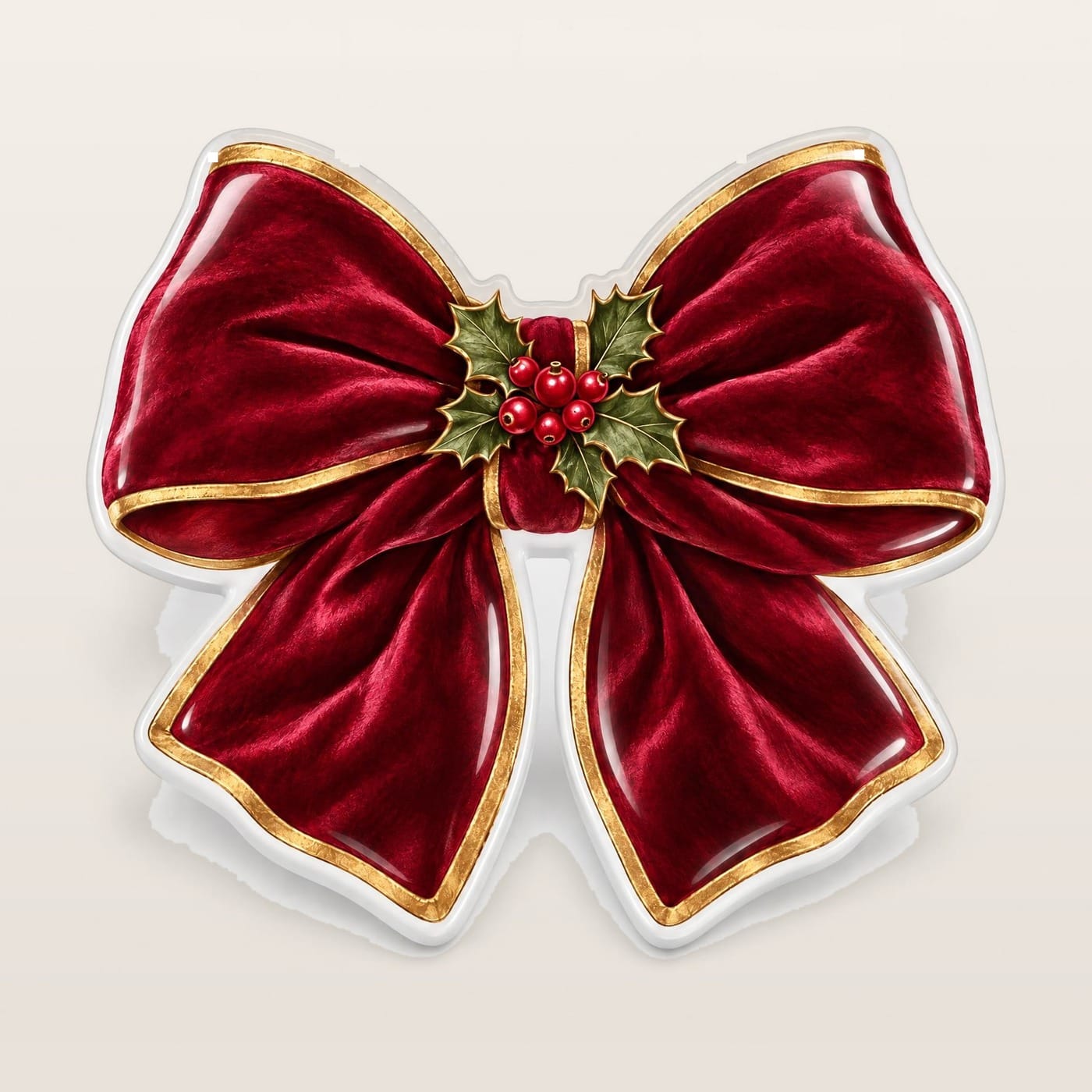
A big red velvet bow with holly and berries — simple, bold, unmistakably Christmas.
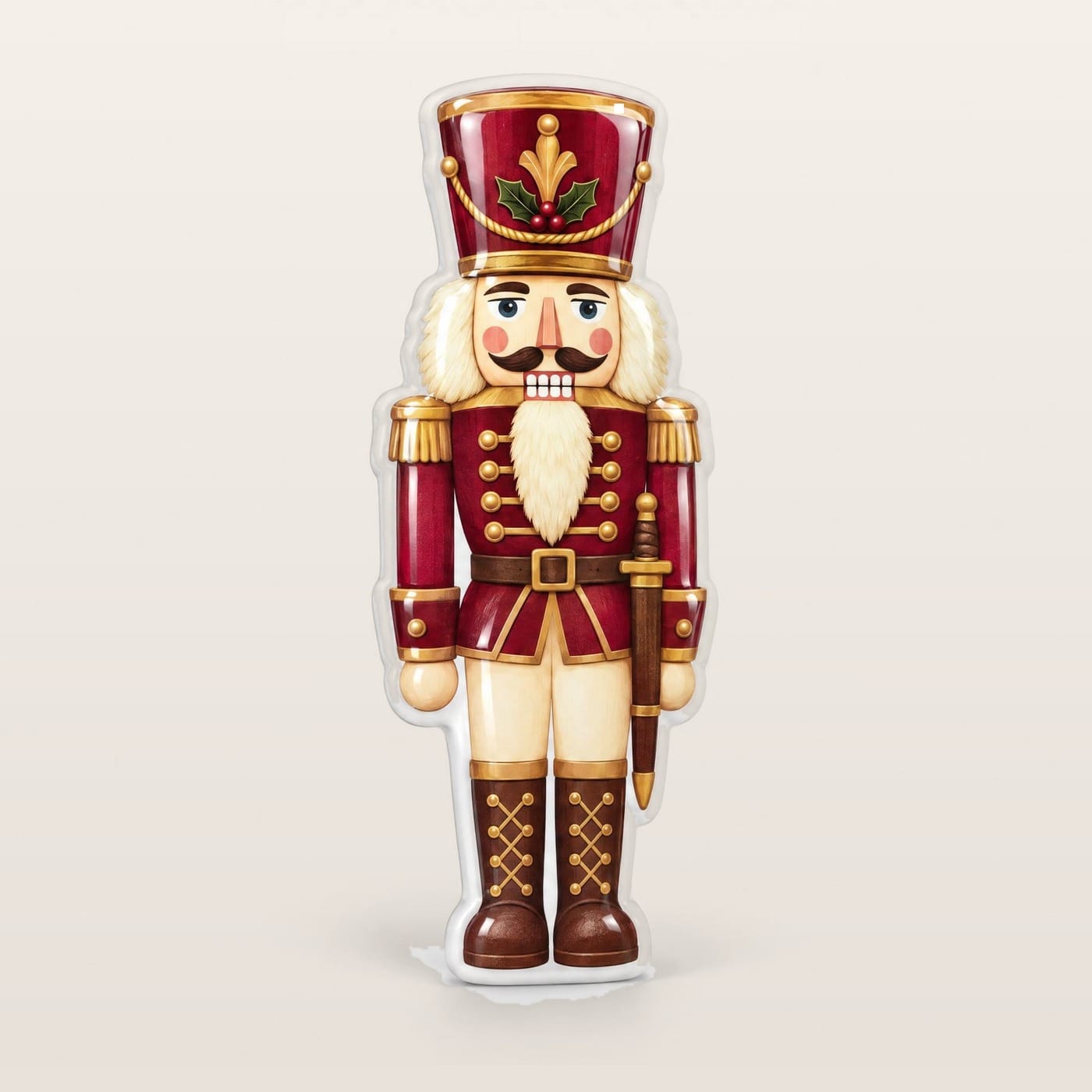
A tall, slim nutcracker soldier in red and gold — a Christmas toy tradition.
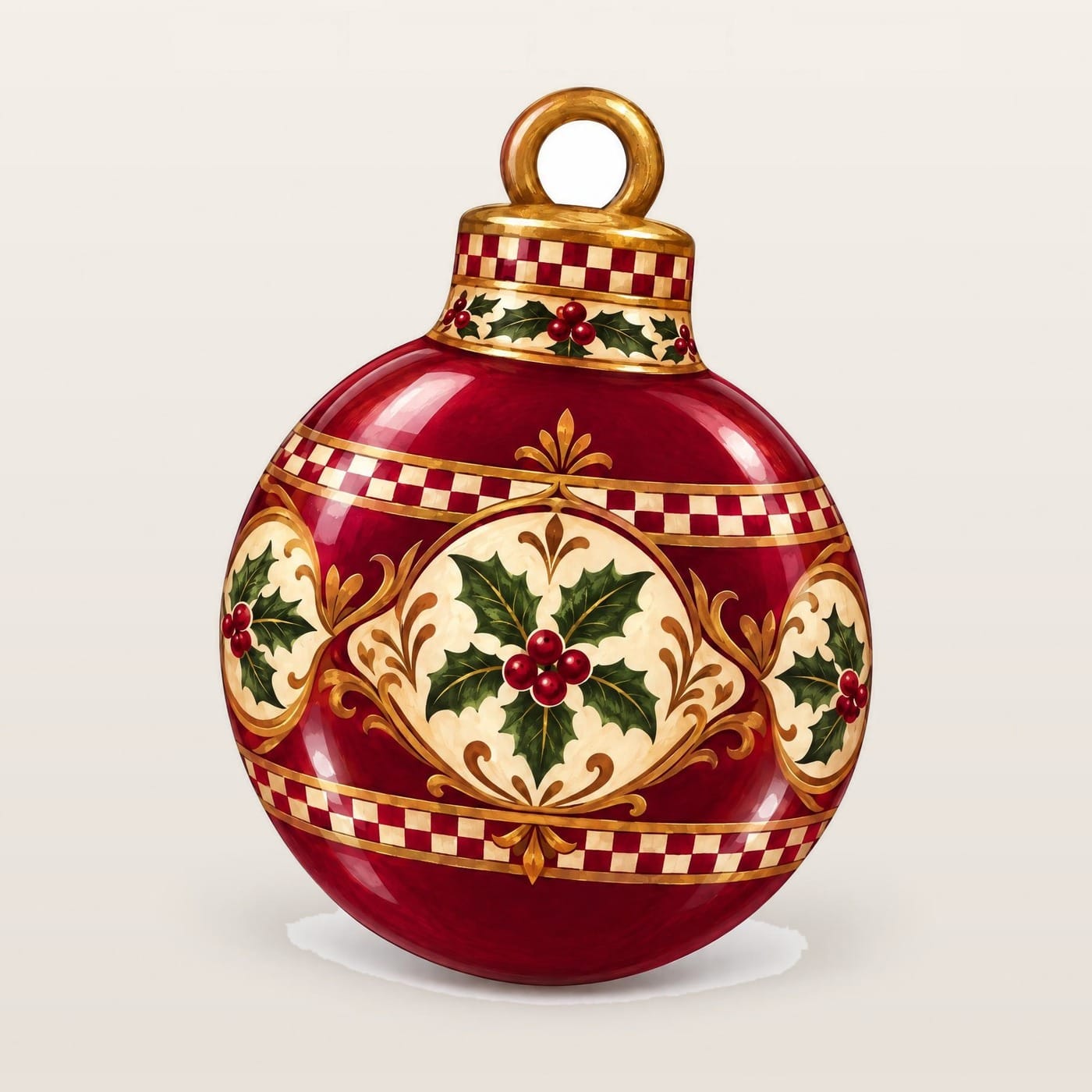
A vintage bauble with a gold cap and holly — one of the smallest pieces in the range.
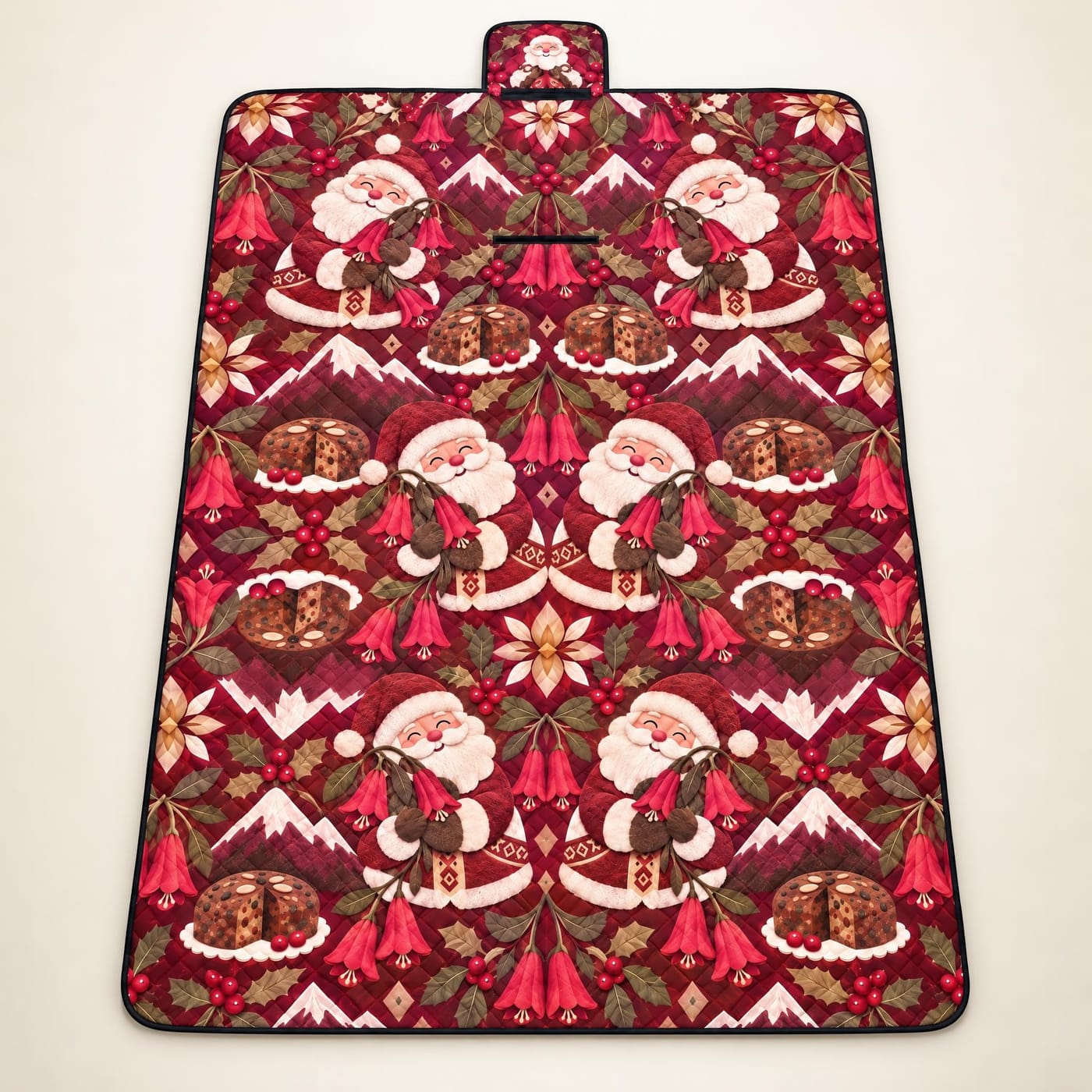
Chile's Viejito Pascuero with copihue flowers and the Andes — a summer Christmas picnic print.
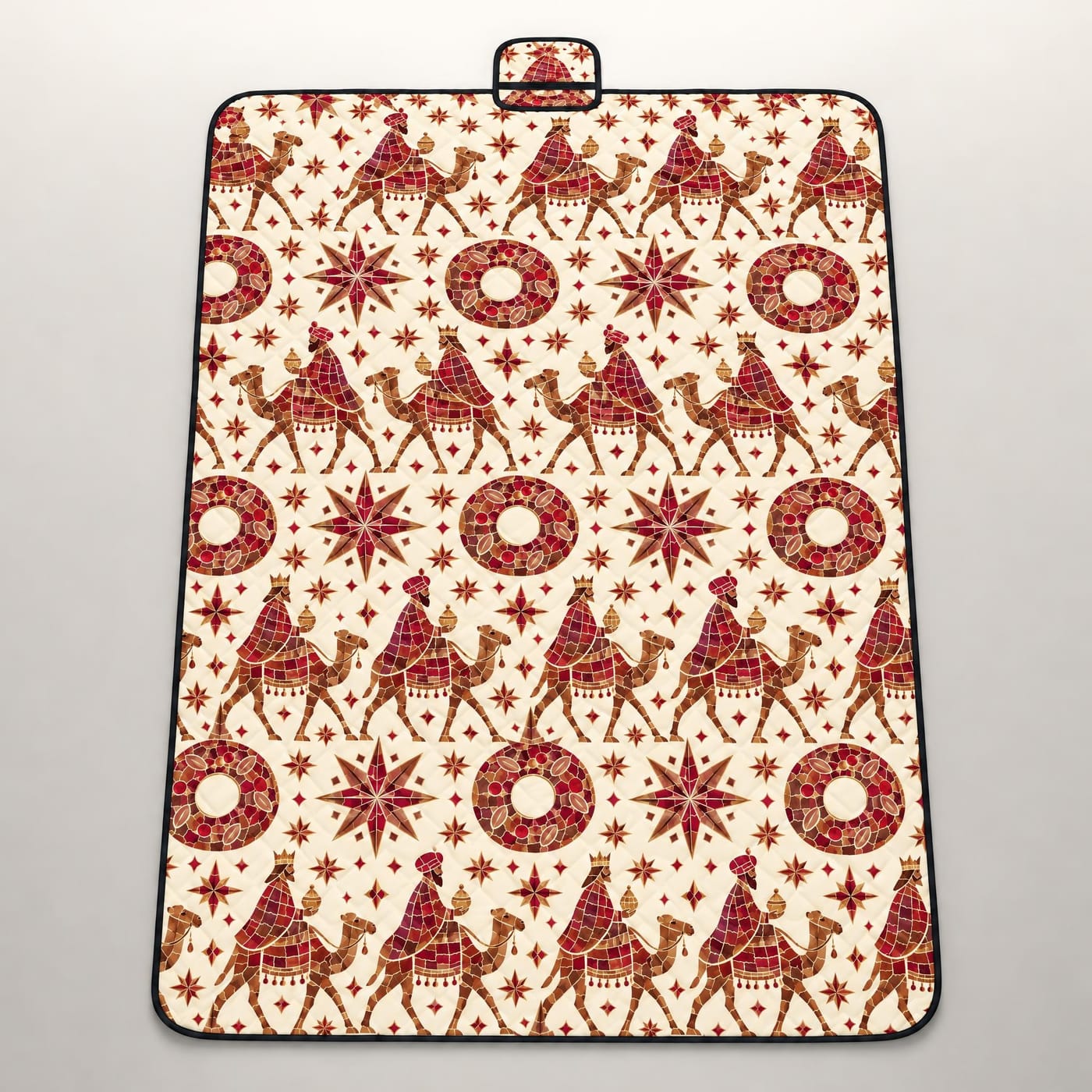
The Three Kings on camels in Gaudí-style trencadís mosaic, with Roscón de Reyes rings.
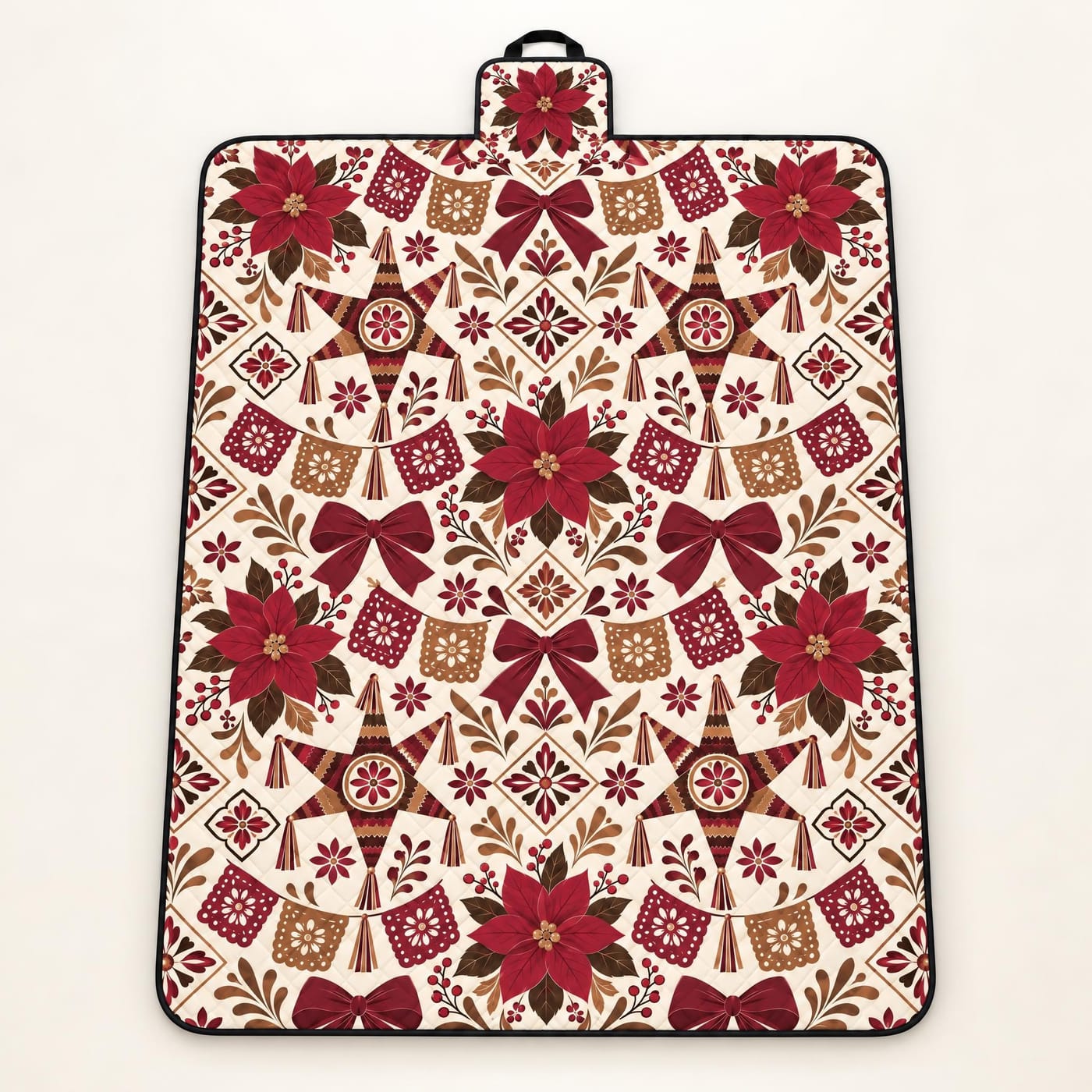
Poinsettia bouquets, velvet bows, star piñatas and papel picado for Posada season.
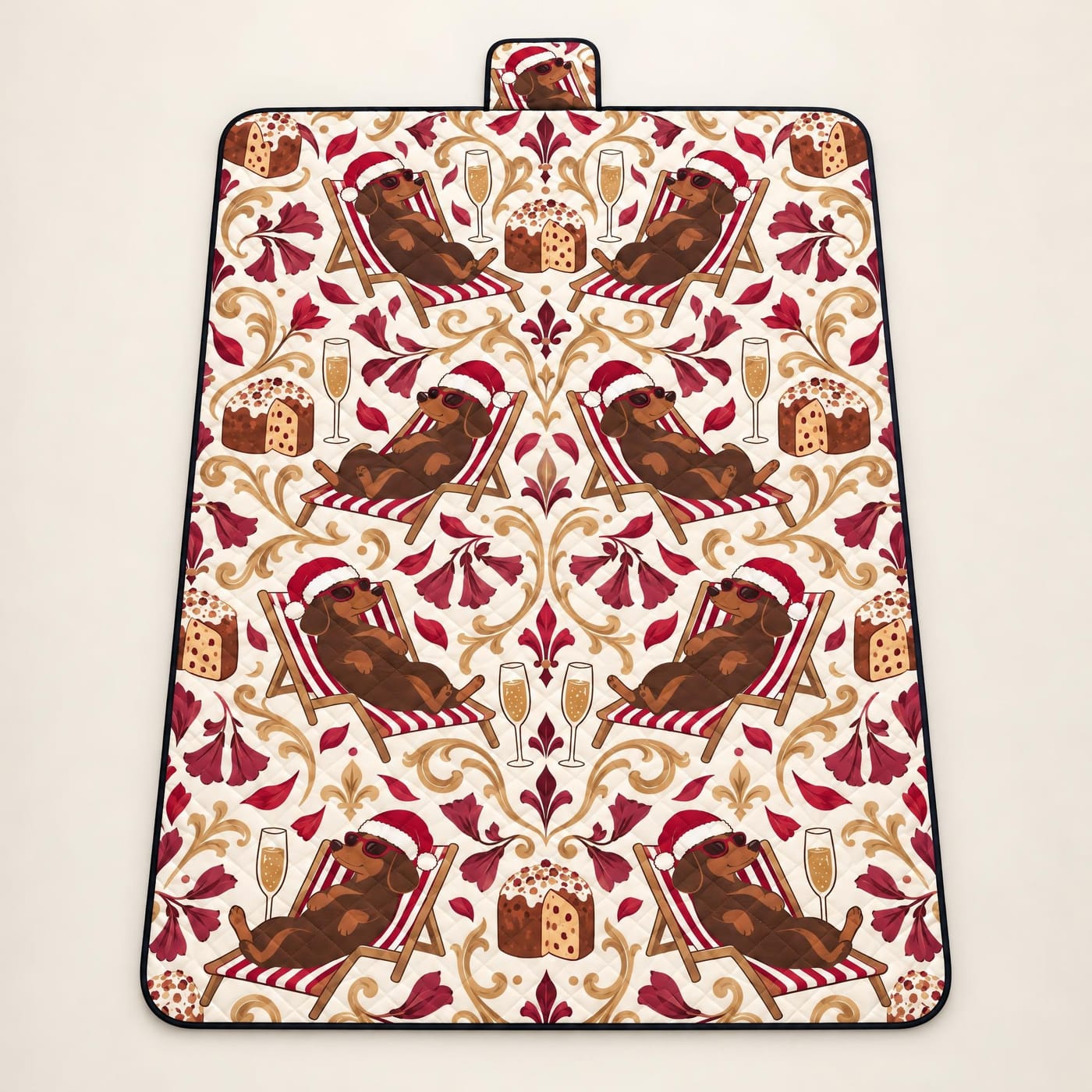
A dachshund in a Santa hat and sunglasses on a deck chair — Argentina's Christmas is in summer.
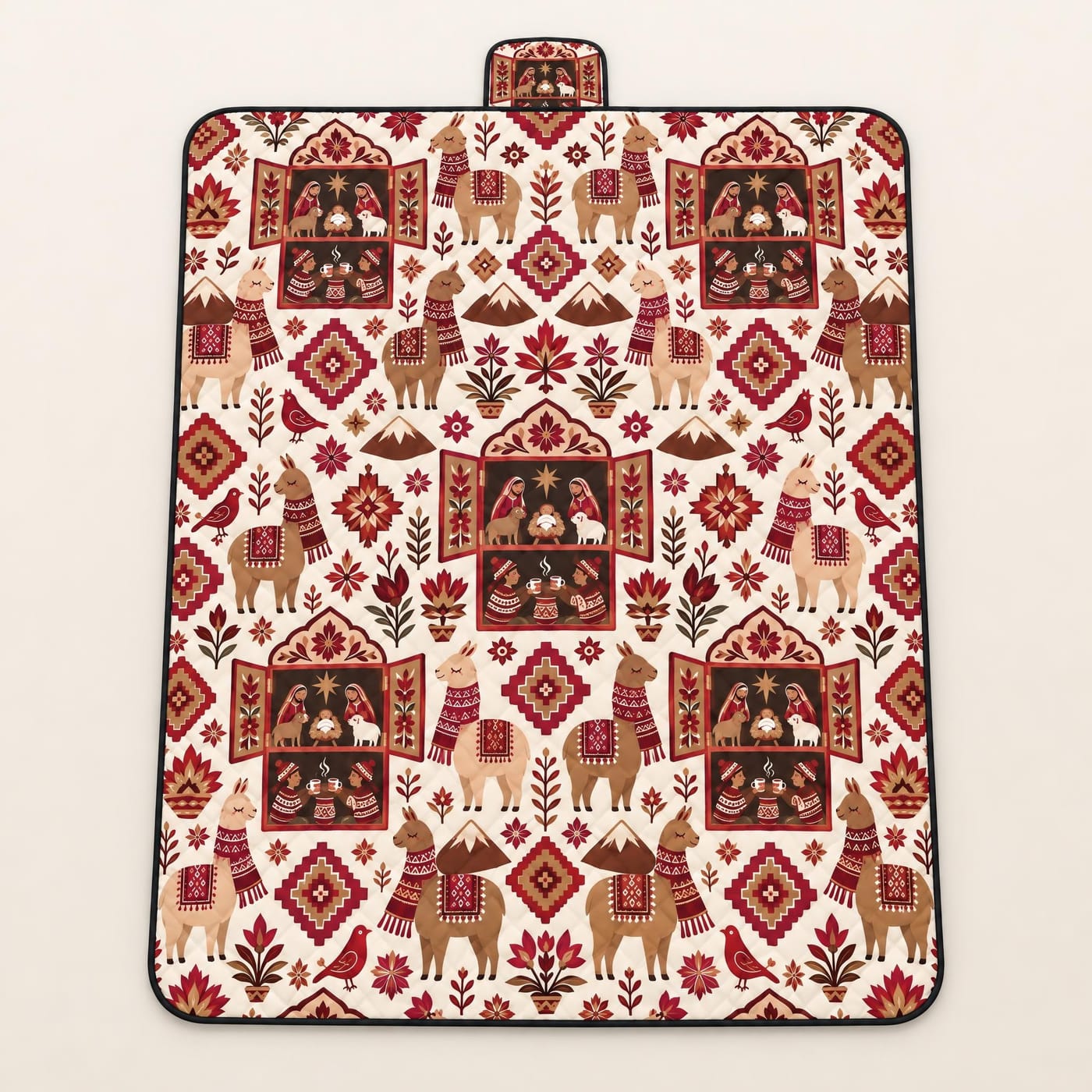
Ayacucho retablos with a Nativity and a chocolatada, alpacas in knitted scarves.
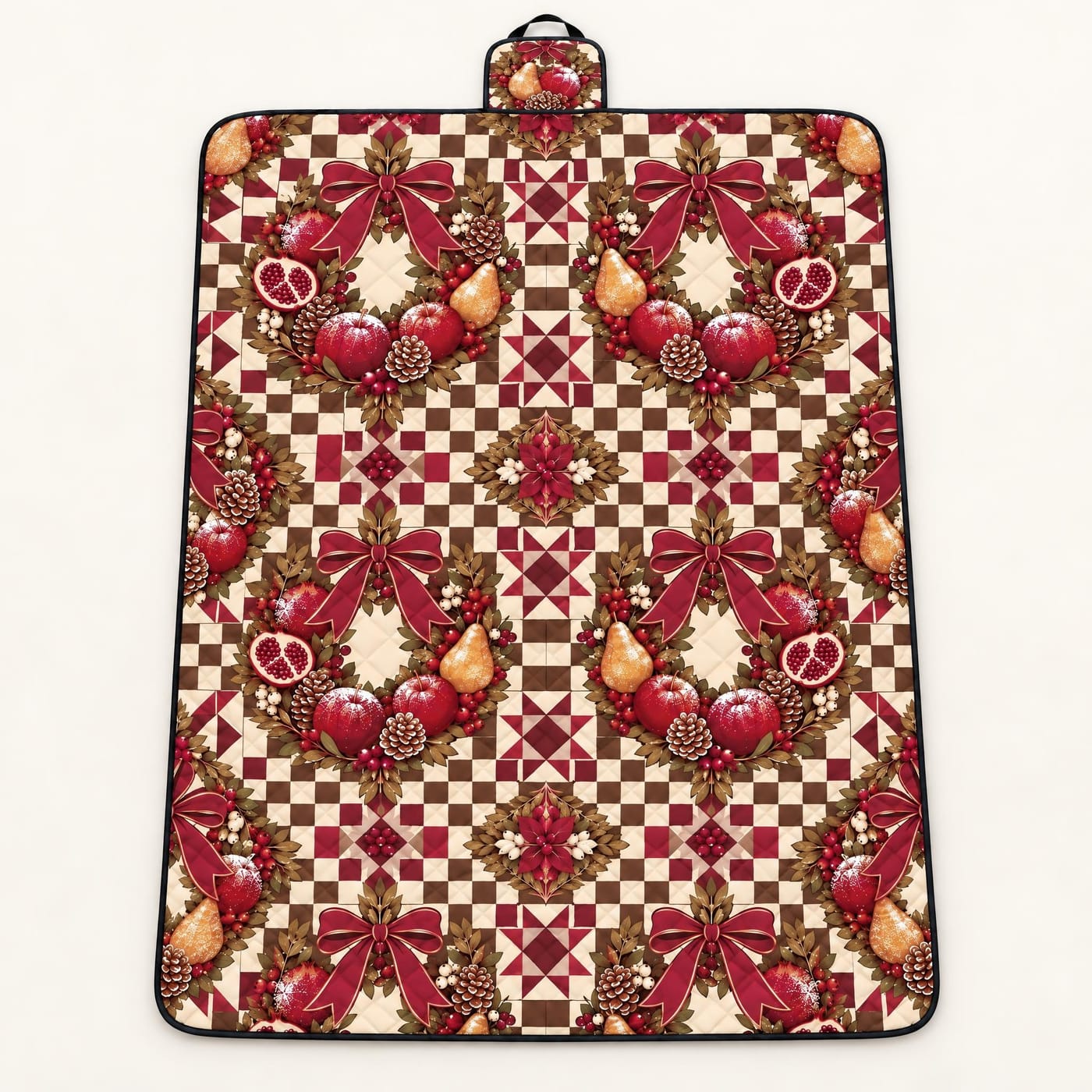
Colonial-style sugared fruit wreaths with satin bows over a patchwork-quilt grid.
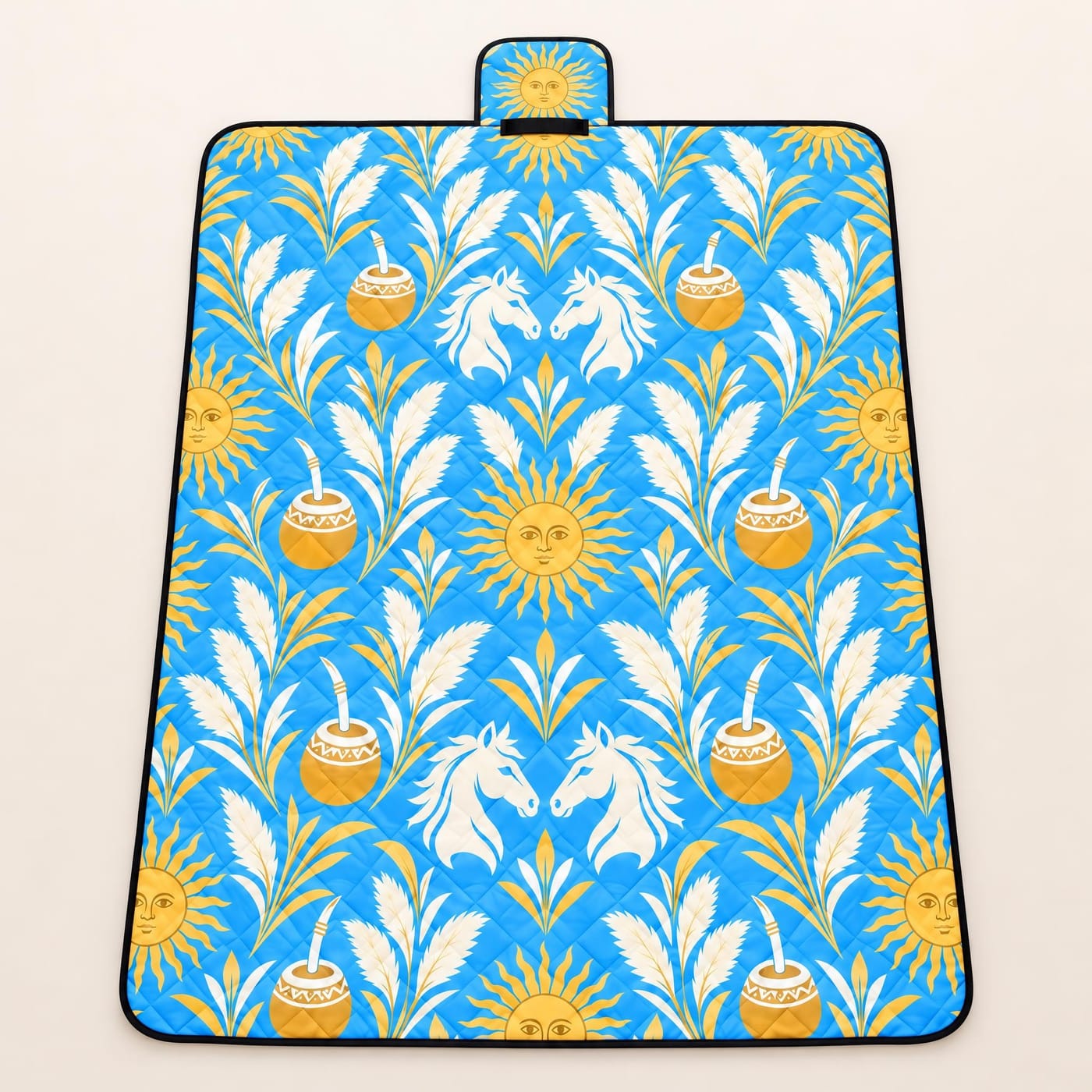
The Sol de Mayo, mate gourds and horse heads on sky blue — made for mate in the park.
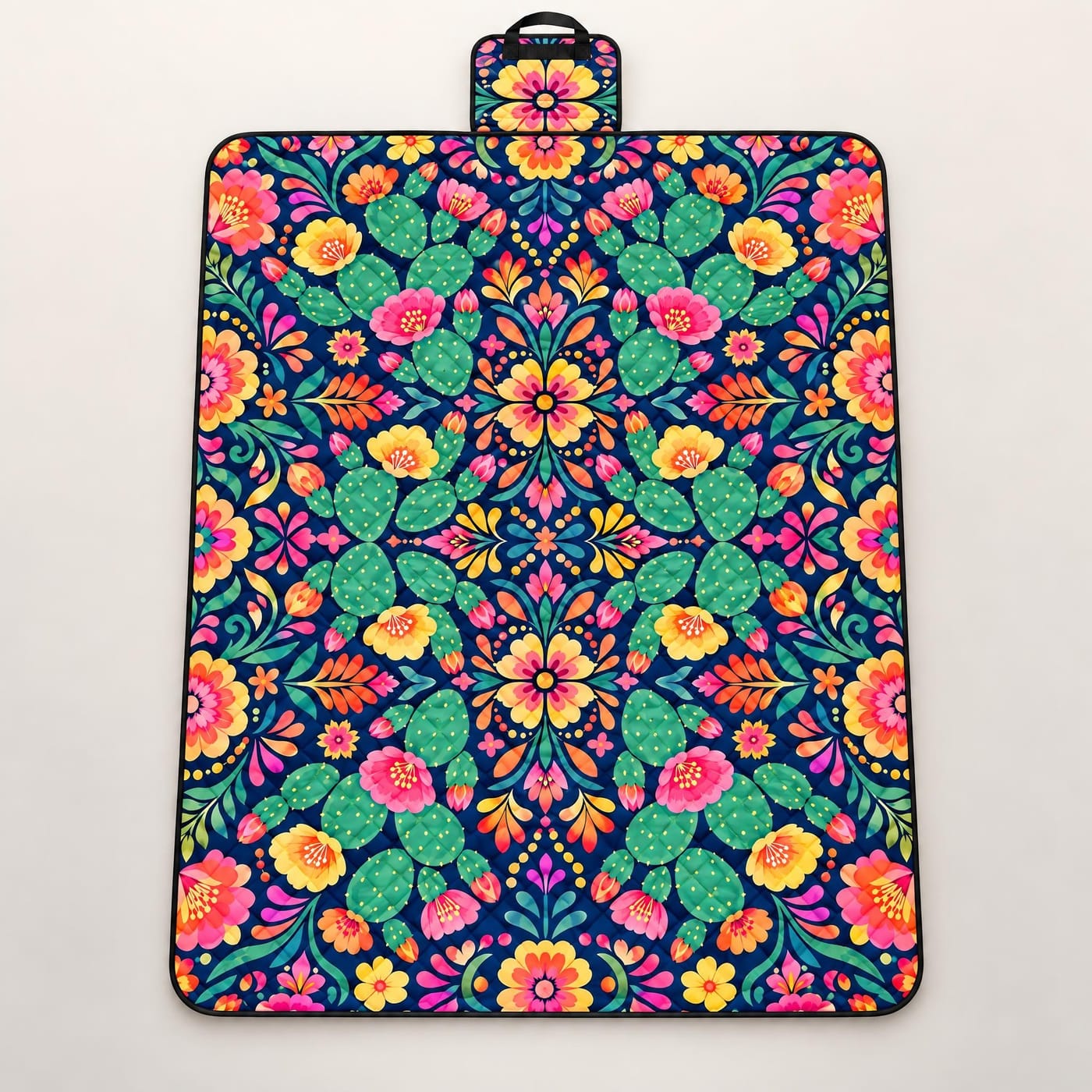
Flowering nopal cactus and Otomi-style folk flowers on deep navy. Our physical sample design.
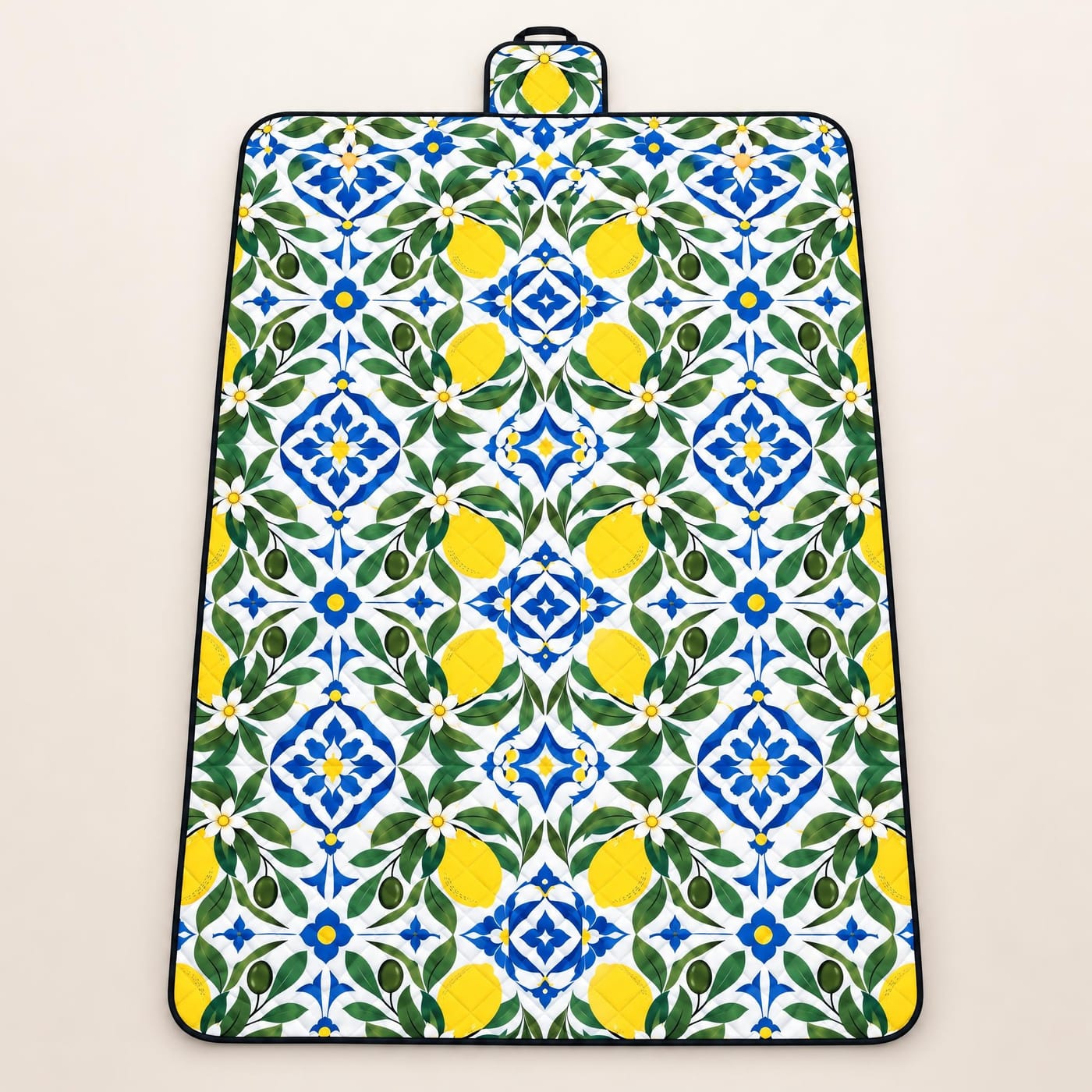
Mediterranean azulejo tiles with lemons and olive branches in cobalt and yellow.
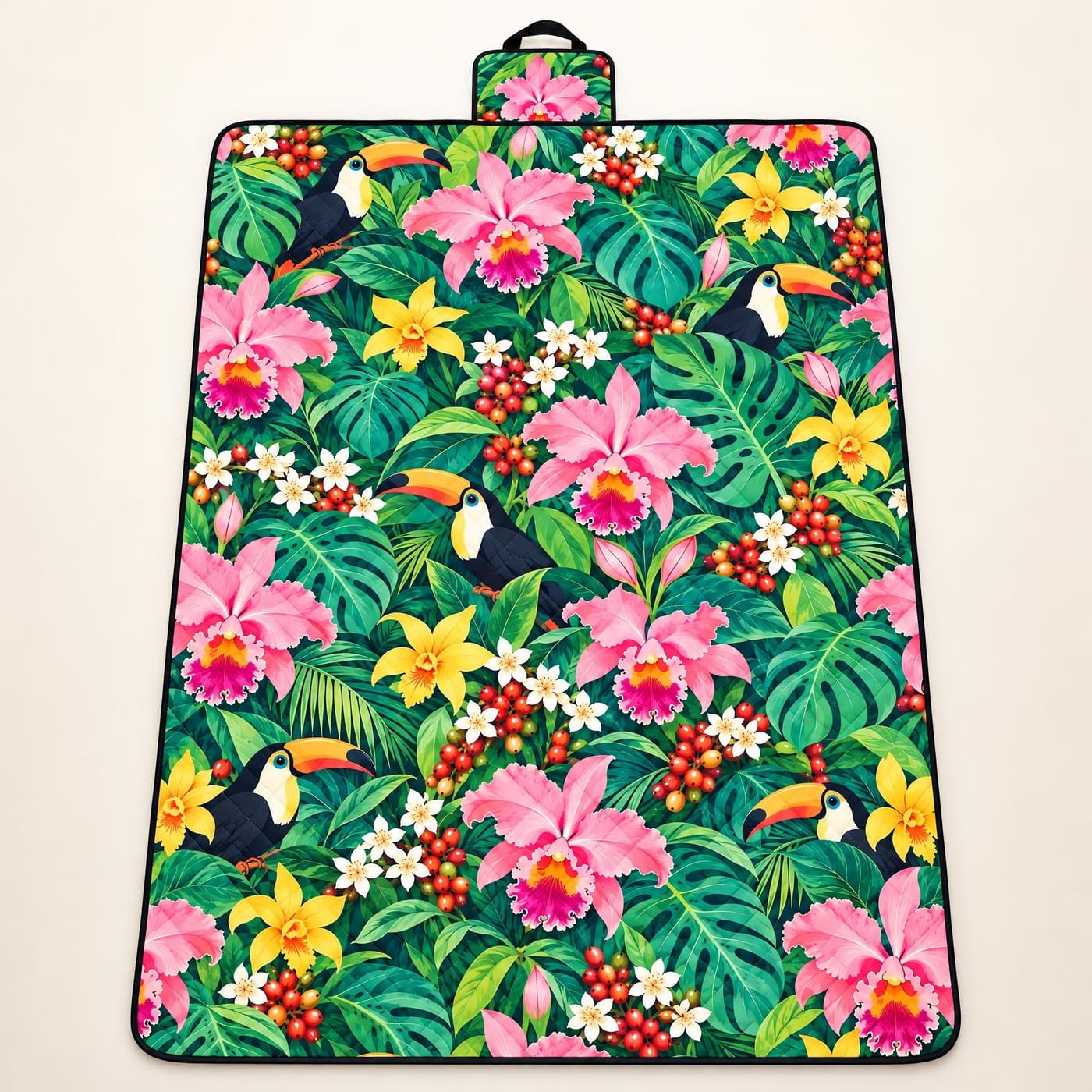
Colombia's national orchid, coffee blossoms and cherries, monstera leaves and toucans.
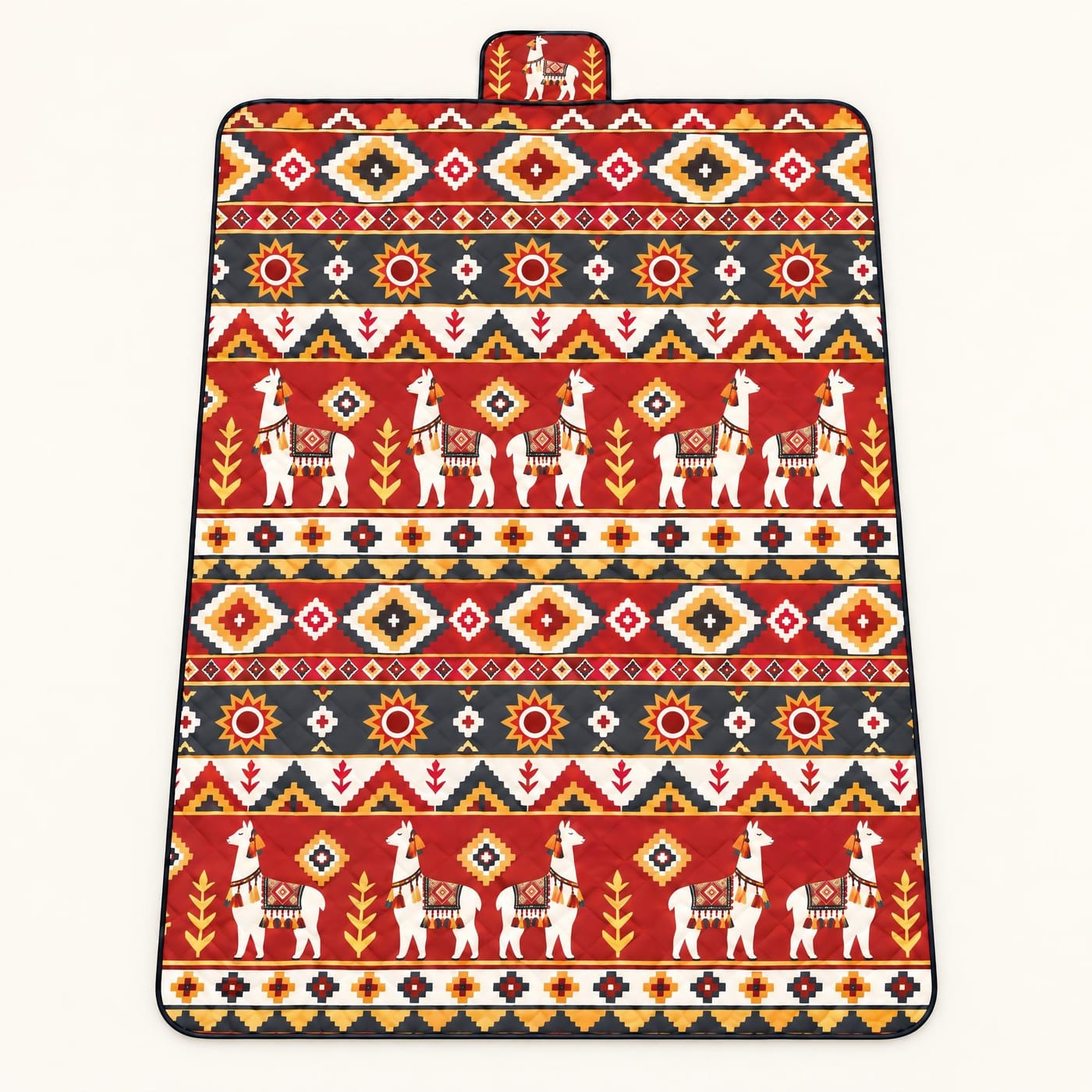
Andean weaving bands — stepped diamonds, zigzag peaks, sun badges — with tasselled alpacas.
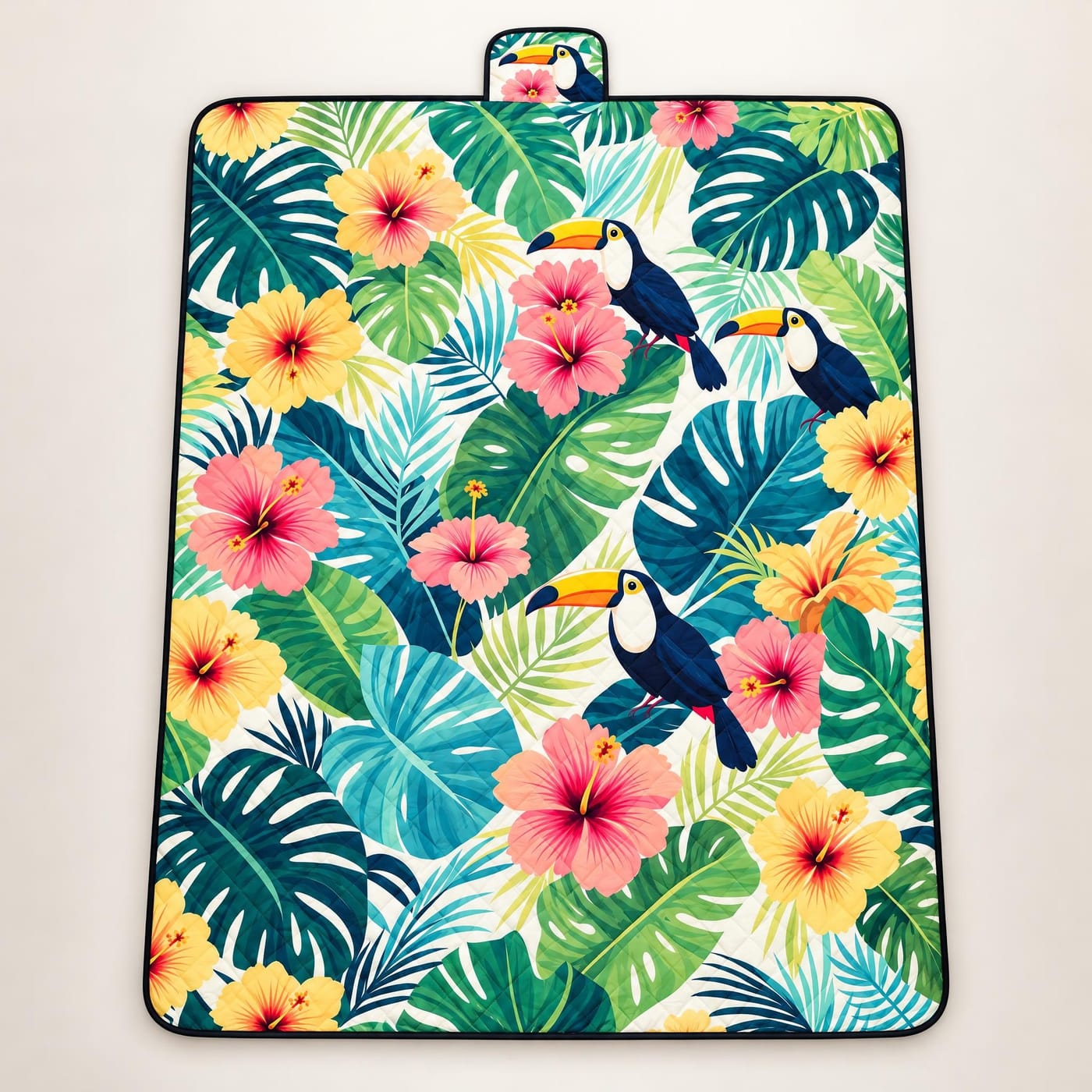
Monstera, banana leaves, hibiscus and toucans — a rainforest print for the beach.
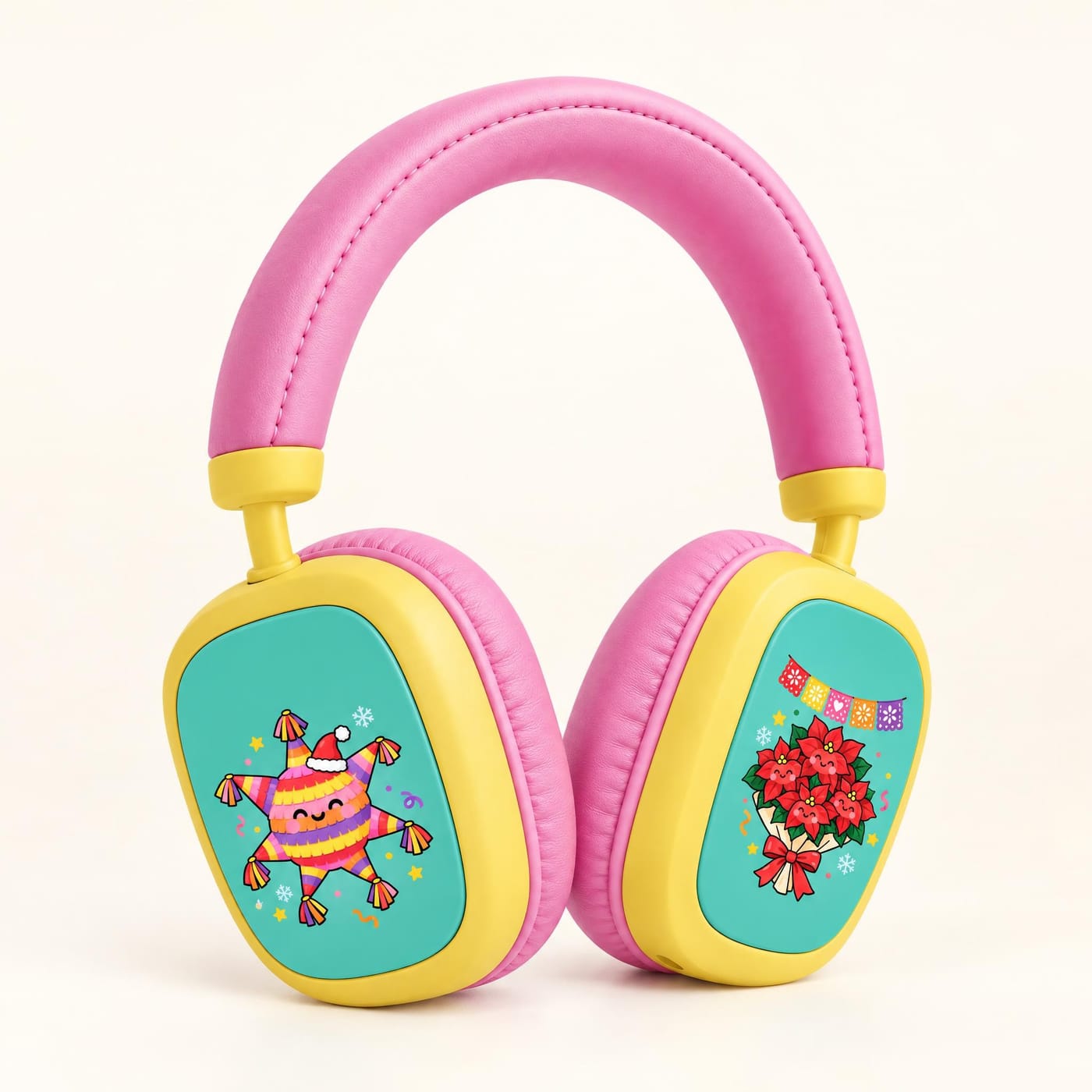
A smiling star piñata on one ear cup, a poinsettia bouquet under papel picado on the other.
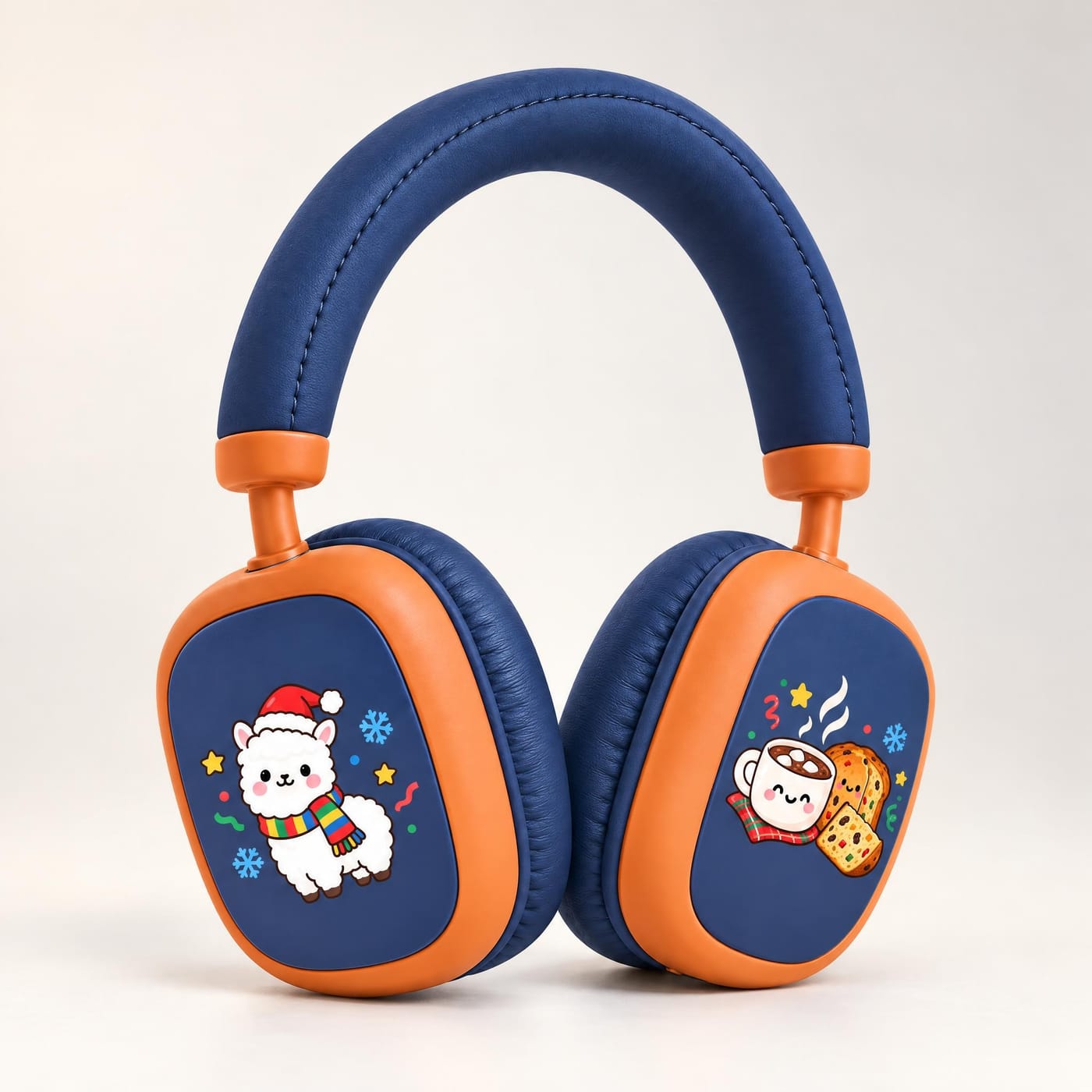
A white alpaca in a Santa hat and rainbow scarf, and a mug of hot chocolate with panetón.
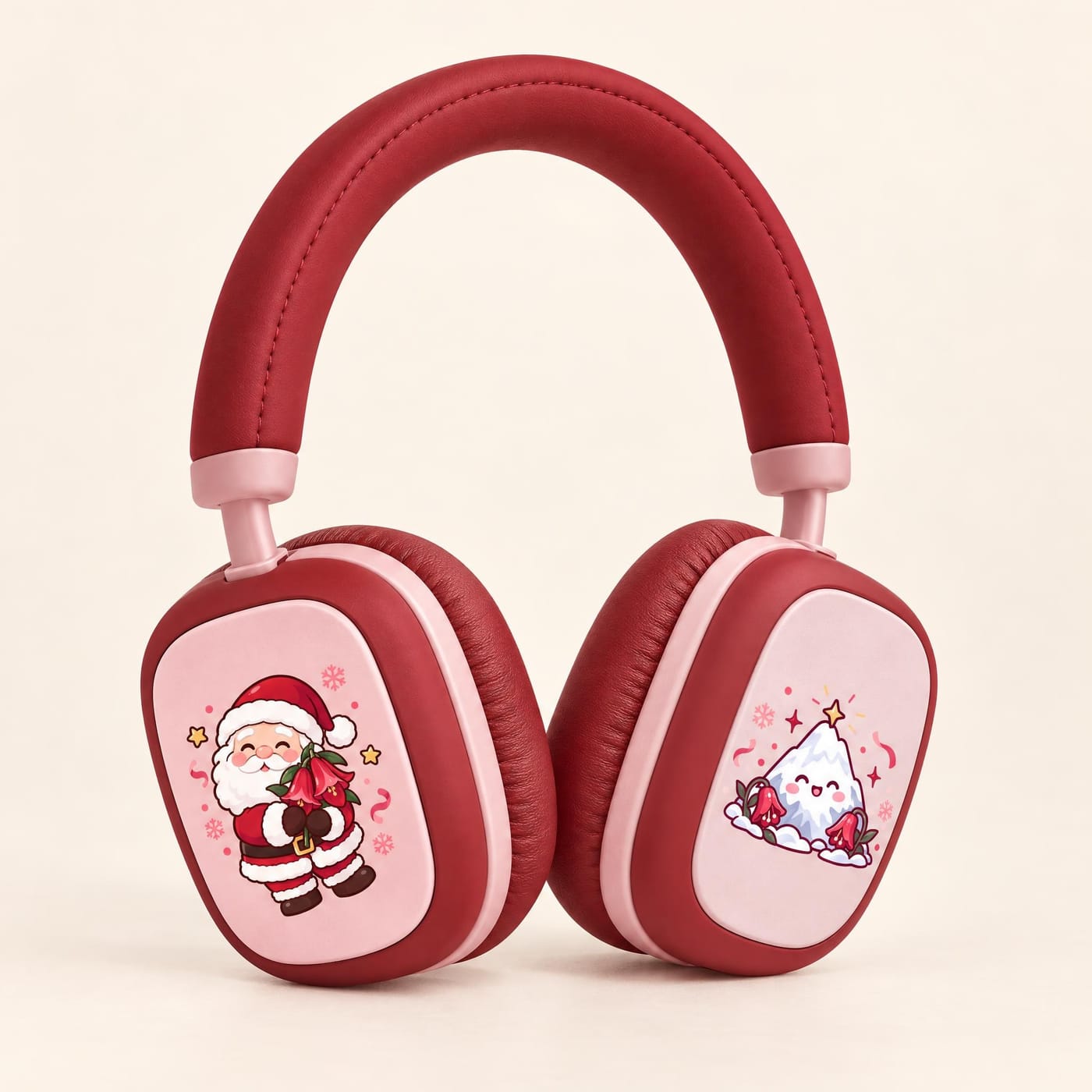
Chile's Viejito Pascuero holding copihue flowers, and a smiling snow-capped Andes peak.
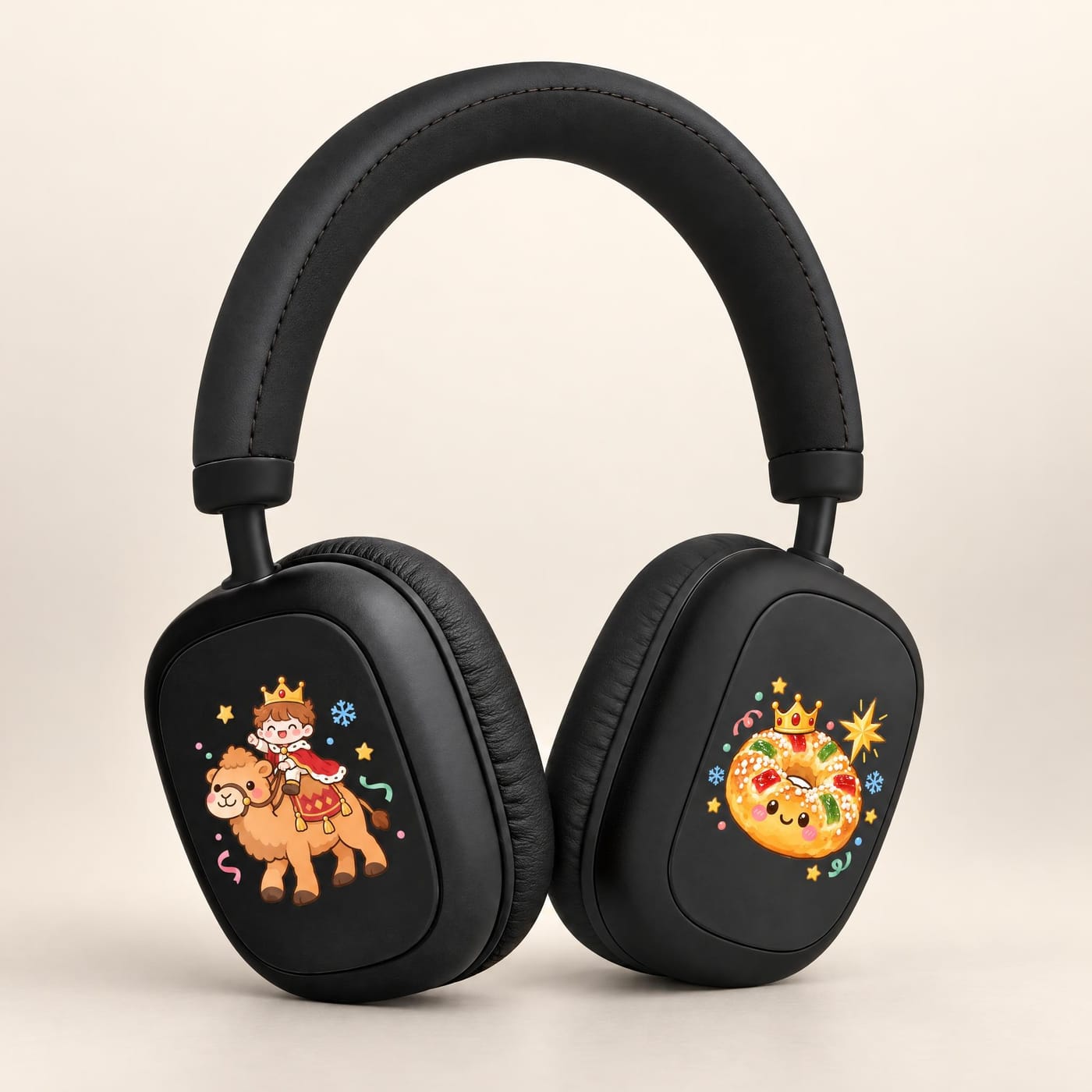
A little crowned king riding a camel, and a smiling Roscón de Reyes under a gold crown.
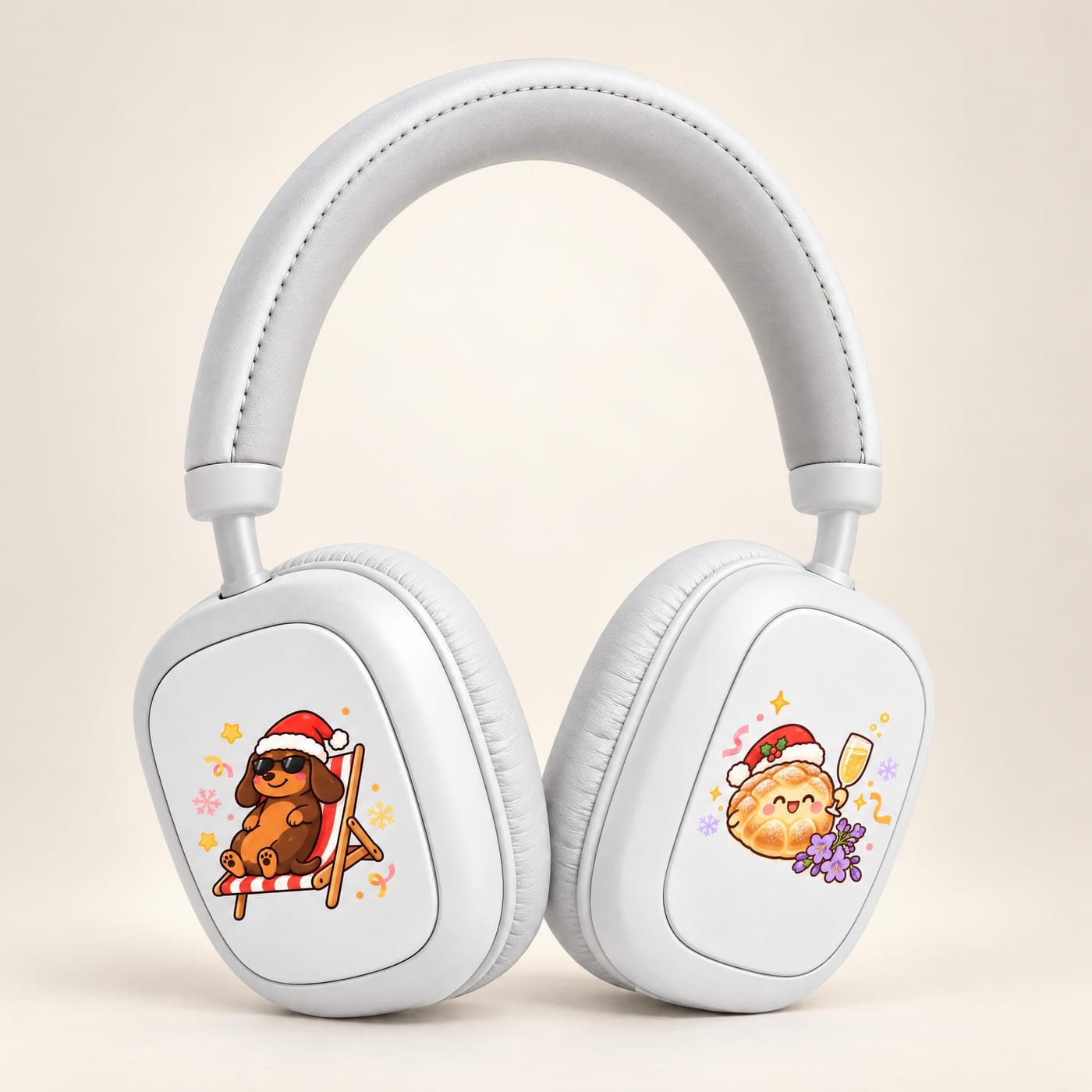
A dachshund in sunglasses on a deck chair, and pan dulce with a champagne toast.
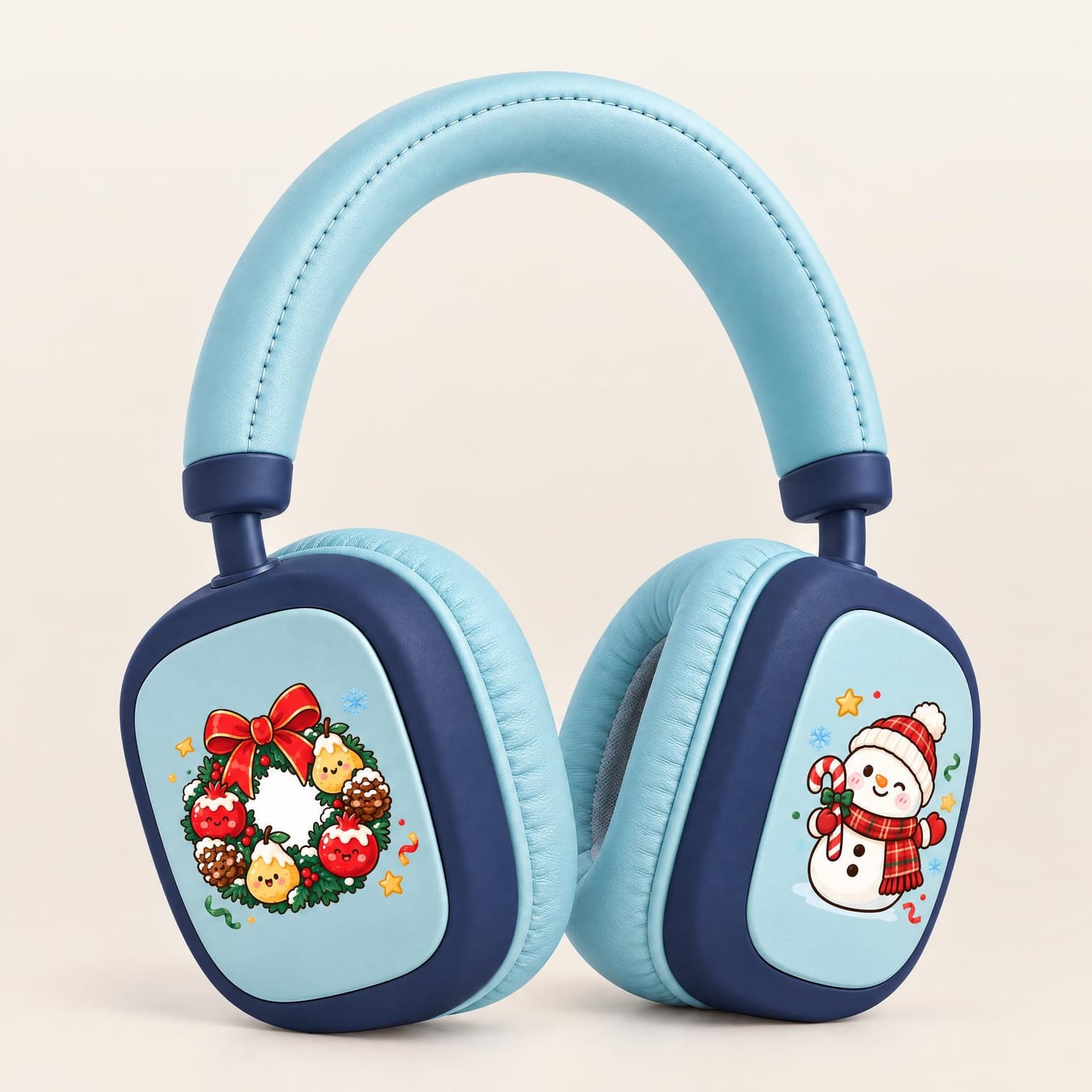
A sugared-fruit wreath with a red satin bow, and a snowman in a plaid scarf with a candy cane.
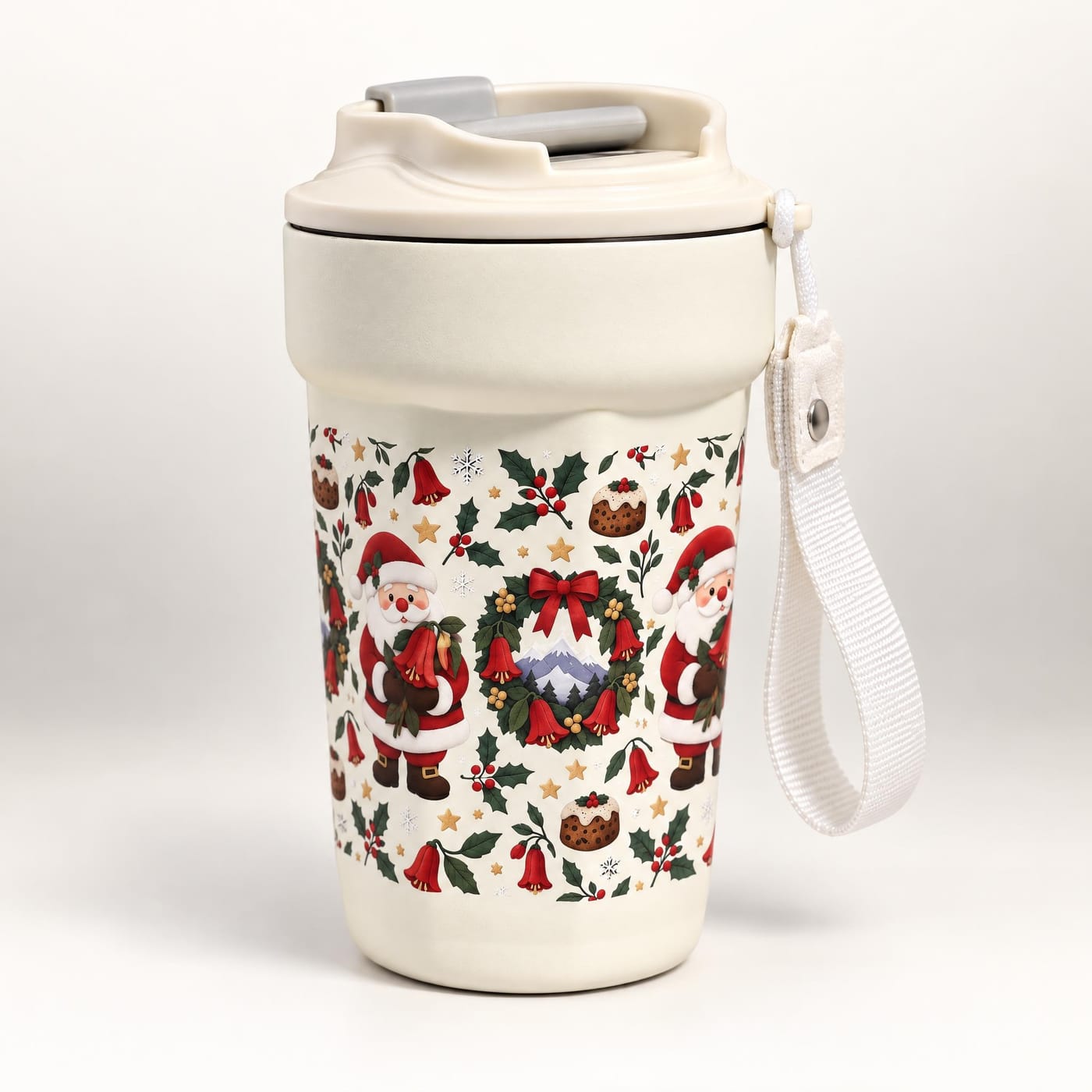
Chile's Viejito Pascuero with copihue flowers and holly, wrapped all the way around.
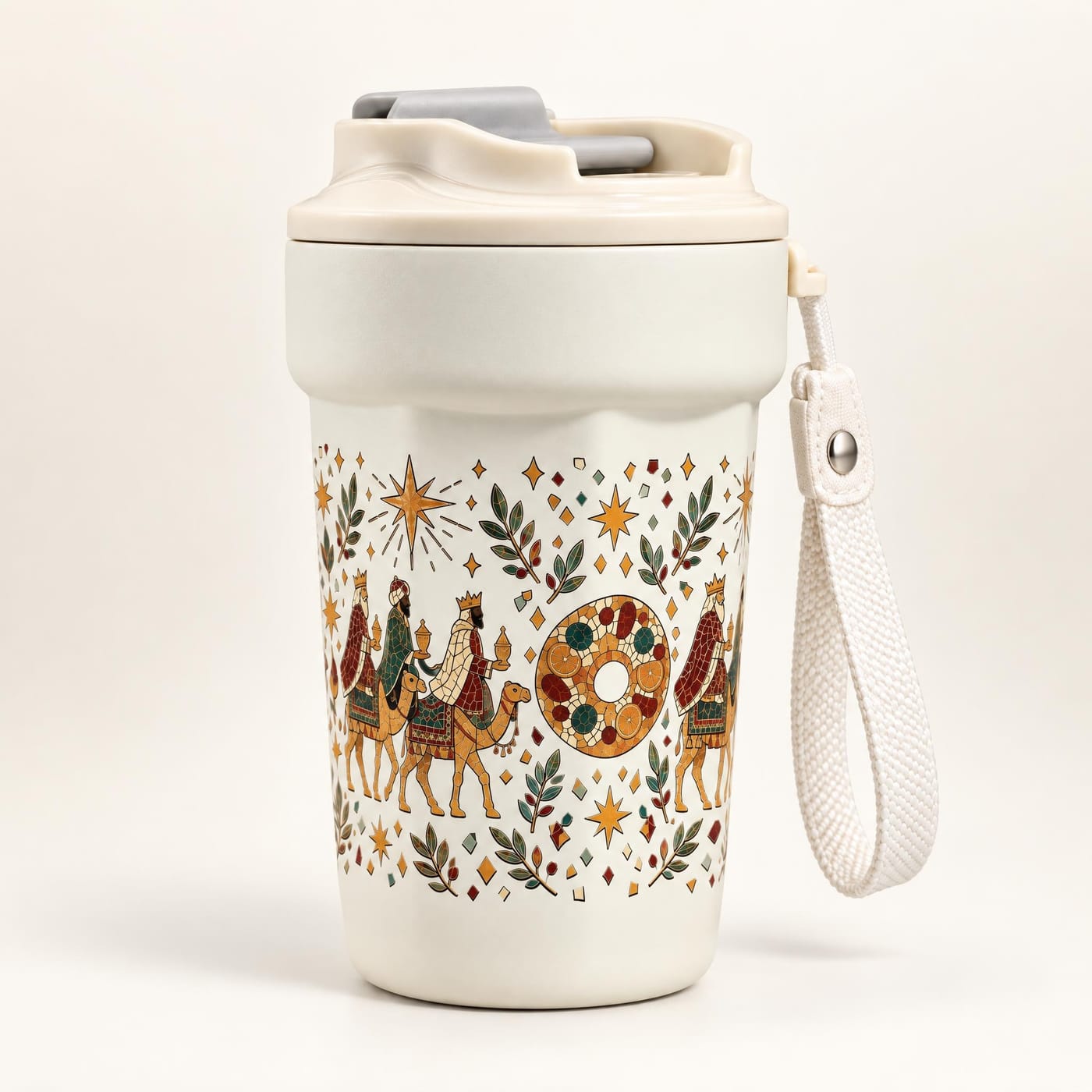
The Three Kings' camel caravan and Roscón de Reyes in mosaic style.
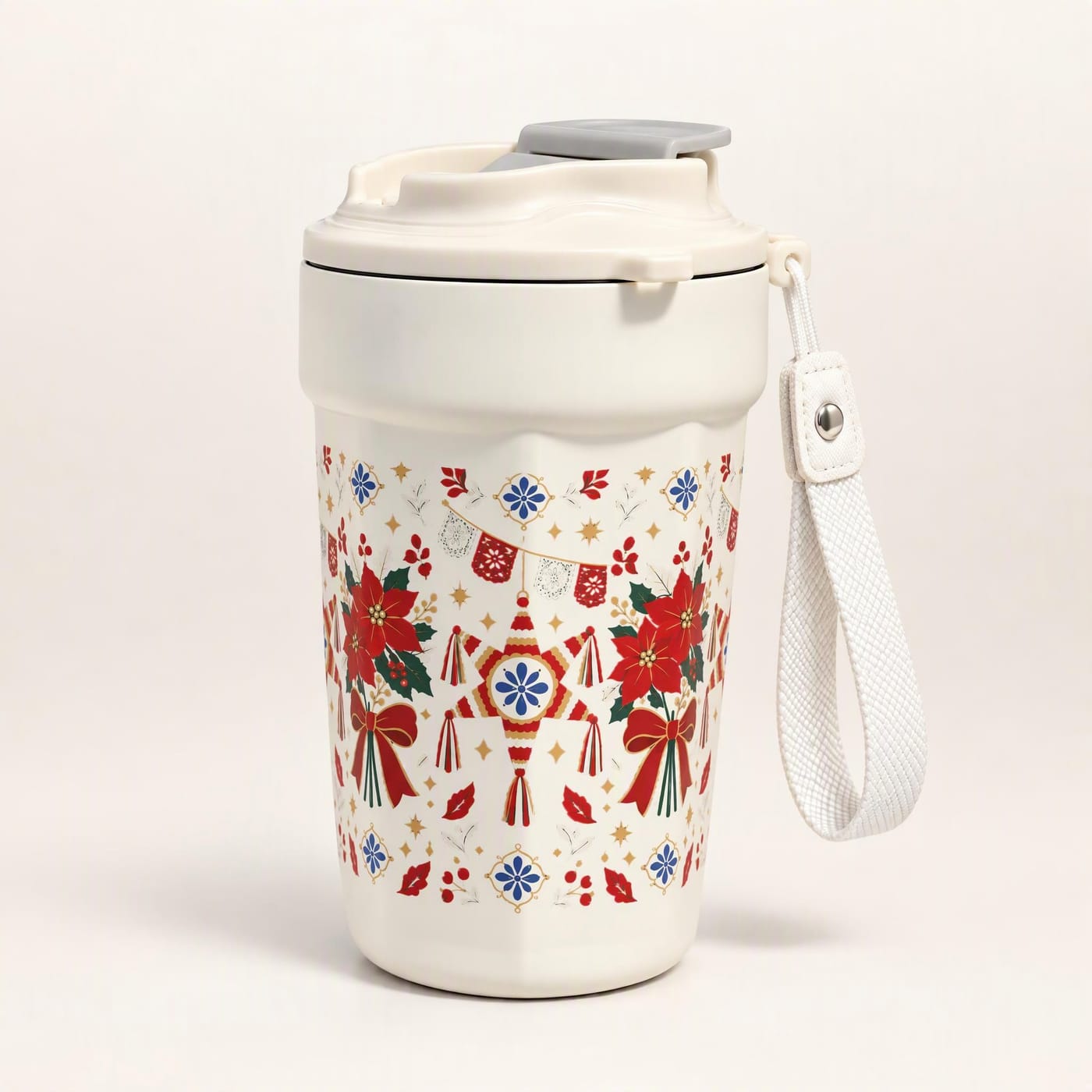
Poinsettia bouquets, star piñatas and papel picado around the cup.
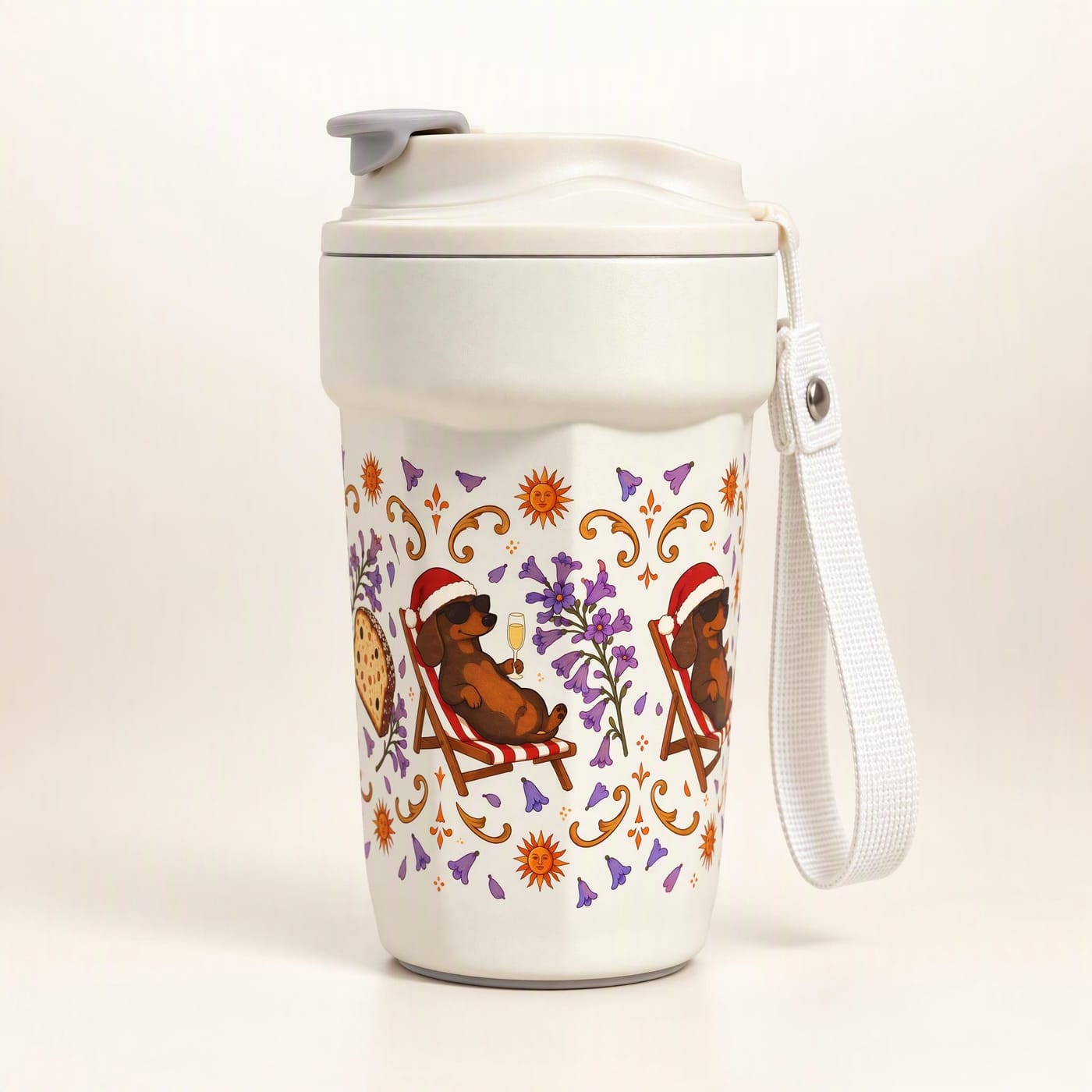
A dachshund in a Santa hat on a deck chair, with pan dulce and jacaranda.
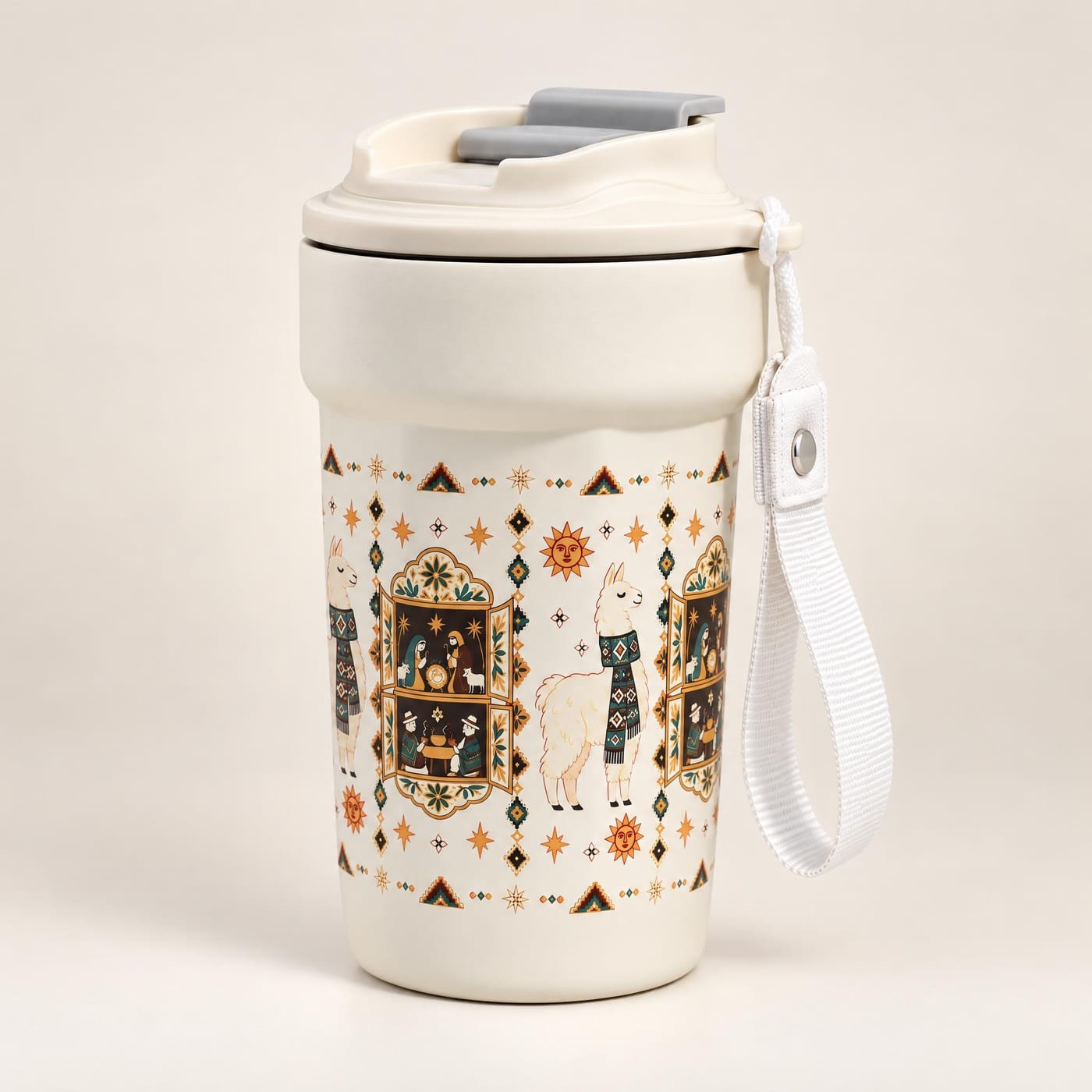
Ayacucho retablos with a Nativity and a chocolatada, between alpacas in scarves.
No products match these filters yet — try another combination, or ask us to develop it.
Don't see your market or product type?
Tell us the country, product and quantity you have in mind — we design new cultural ranges to order and will confirm pricing and samples.